


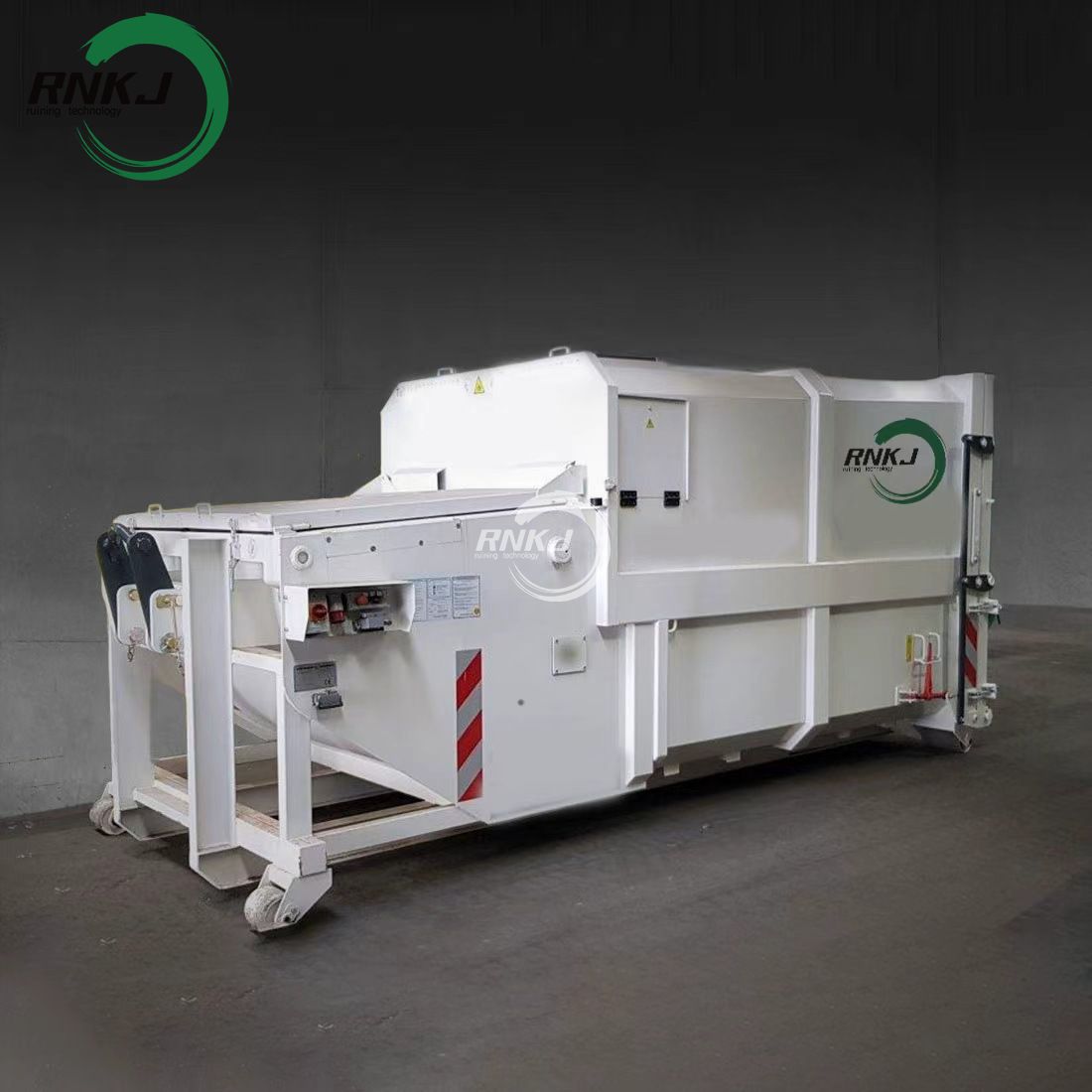

 Product Overview
The 10 CBM Fully Sealed Liquid-Collection Wet Waste Compactor is designed for the collection, compaction, and temporary storage of wet waste in commercial, municipal, and industrial waste management applications. Unlike conventional waste collection equipment that may be unsuitable for handling moisture-rich materials, this system features an enclosed structure and a liquid-collection design to help manage the liquids released during wet waste handling and compression.
Wet waste is commonly generated in restaurants, hotels, supermarkets, food processing facilities, catering centers, commercial kitchens, and municipal collection points. Such waste may contain food residues, vegetable scraps, fruit waste, and other moisture-rich materials. During storage and transportation, accumulated moisture can cause leakage, unpleasant odors, and sanitation concerns if the waste is not properly contained.
The 10 CBM Fully Sealed Liquid-Collection Wet Waste Compactor combines a fully enclosed waste containment structure with a hydraulic compaction system and a liquid-collection arrangement. Its design helps reduce the volume of collected waste, organize waste storage, and manage liquid residues within a designated collection area. By integrating compaction and liquid management into one piece of equipment, it provides a practical solution for facilities that generate relatively large quantities of wet waste on a regular basis.
The 10 CBM configuration provides a reference capacity for customers who require centralized wet waste collection. Since waste generation, installation space, collection frequency, and handling requirements vary between projects, the equipment capacity and configuration can be customized to match the actual operating environment.

Fully Sealed Structure for Wet Waste HandlingA fully sealed structure is an important feature of a wet waste compactor because moisture-rich waste requires more controlled containment than many types of dry, lightweight waste.
The enclosed body of the 10 CBM Fully Sealed Liquid-Collection Wet Waste Compactor is designed to contain collected waste within a designated space during normal operation. This helps limit direct exposure of waste to the surrounding environment and supports cleaner waste storage at collection points.
For facilities that handle food scraps, kitchen waste, and other wet materials, effective containment can simplify daily cleaning and improve the organization of the waste collection area. An enclosed structure can also help reduce the risk of waste spilling out during routine handling when the equipment is operated and maintained correctly.
The sealing arrangement, access openings, loading interface, and other structural details can be selected according to the material being handled and the working conditions. For projects with strict sanitation requirements, the configuration can be discussed in advance to determine which sealing and cleaning features are needed.
The fully enclosed design makes this equipment suitable for locations where waste containment and housekeeping are important considerations, including commercial kitchens, food service facilities, supermarkets, and centralized waste collection stations.
Integrated Liquid-Collection DesignOne of the main characteristics of the 10 CBM Fully Sealed Liquid-Collection Wet Waste Compactor is its liquid-collection function.
Wet waste often contains free moisture that may be released when waste materials are loaded, stored, or compressed. If this liquid is not properly managed, it can accumulate around collection areas and create additional cleaning requirements. The liquid-collection arrangement of this wet waste compactor is intended to collect liquid generated during applicable operating processes within a designated area rather than allowing it to spread uncontrollably.
This design is especially relevant for food waste and other moisture-rich materials. By considering both solid waste volume and liquid residue management, the equipment supports a more organized approach to wet waste handling.
The liquid-collection configuration can be adapted to the project requirements, including the expected moisture content of the waste and the customer's preferred liquid handling method. Depending on the final design, customers can discuss the collection location, discharge arrangement, and maintenance access when configuring the equipment.
It is important to select the appropriate configuration based on the actual characteristics of the waste. Waste containing large amounts of free liquid may require additional attention to drainage, liquid storage, and downstream disposal arrangements. The final system should be designed according to applicable site requirements and local environmental regulations.
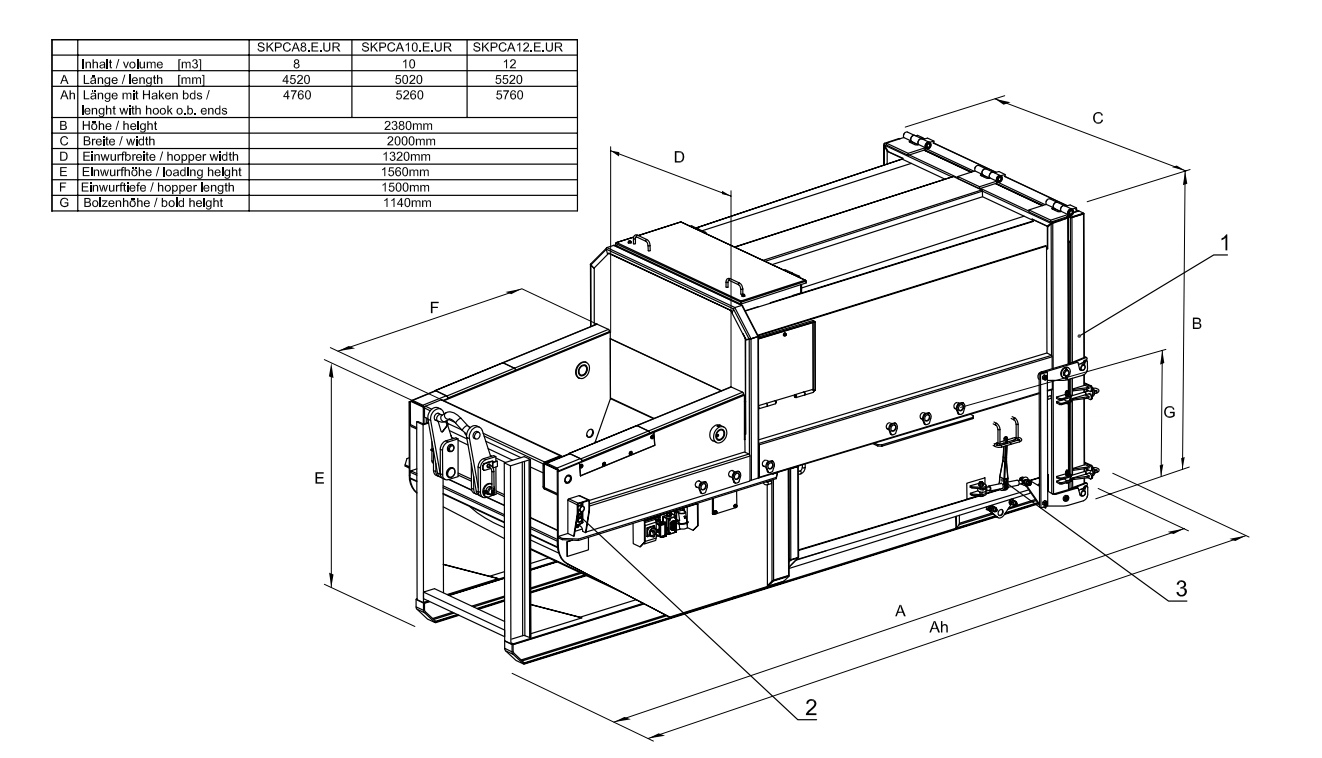
Hydraulic Compression SystemThe hydraulic compression system provides the force required to compact collected waste. By applying controlled mechanical pressure, the system reduces the volume occupied by suitable waste materials and creates more usable capacity within the collection unit.
For operations that generate wet waste throughout the day, frequent collection of loose waste can take up valuable working time and increase handling demands. A hydraulic wet waste compactor can help consolidate suitable materials into a smaller space, depending on their composition, moisture level, and compressibility.
The compression process can be configured according to the type of waste, the intended loading method, and the operating requirements. Hydraulic components, control arrangements, and other equipment details can be selected for the specific project.
The performance of a wet waste compactor depends on several factors, including waste composition, material density, moisture content, feeding conditions, and operating procedures. Therefore, the appropriate compression configuration should be determined according to the actual waste stream rather than relying on a single compression ratio for every application.
How Does the Wet Waste Compactor Work?The operating process of a 10 CBM Fully Sealed Liquid-Collection Wet Waste Compactor can be organized into several main stages, depending on the final equipment configuration.
Wet waste is delivered to the designated loading area through the selected feeding arrangement. Before operation, the waste stream should be checked to ensure that it is compatible with the equipment and does not contain unsuitable oversized objects or materials that could interfere with compression.
After loading, the waste is retained within the enclosed containment structure. The enclosure helps keep the collected material within the designated handling area and supports a more organized work environment.
The hydraulic system activates the configured compression mechanism to compact the waste. Suitable materials are compressed to reduce their occupied volume, helping the collection unit accommodate more waste before the next removal or emptying operation.
Liquid released during loading or compaction is directed to the designated collection arrangement according to the system design. The collected liquid can then be managed using the planned discharge or handling method.
When the unit reaches its operating capacity, the collected waste is removed using the configured unloading or transport method. Operators should follow the equipment's operating procedures, inspect the sealing and liquid-collection components, and carry out routine cleaning and maintenance as required.
The precise loading, compaction, unloading, and liquid-handling sequence depends on the final equipment layout. These details should be confirmed before installation to ensure that the compactor fits the customer's waste handling process.
Applications of the Fully Sealed Wet Waste CompactorThe 10 CBM Fully Sealed Liquid-Collection Wet Waste Compactor can be considered for a range of applications where moisture-rich waste must be collected and compacted in a controlled manner.
Restaurants and commercial kitchens generate food preparation waste, vegetable scraps, fruit residues, and leftover food throughout the day. A fully enclosed wet waste compactor can help centralize this waste and reduce the space occupied by suitable materials. Its liquid-collection function is particularly relevant when moisture management is part of the site's waste handling requirements.
Hotels and catering businesses may generate substantial volumes of food waste from kitchens, banquet services, and dining areas. Centralized wet waste compaction can help organize the collection process and establish a more consistent waste handling routine for back-of-house operations.
Supermarkets and food retailers generate discarded produce, spoiled food, and other moisture-rich waste. Equipment selection should consider the mix of waste materials, daily generation volume, and the available space near the collection point.
Food processing operations may produce wet organic residues in varying quantities. A suitable wet waste compactor can form part of a broader waste collection arrangement, provided the waste characteristics are compatible with the selected compression mechanism and liquid-collection configuration.
Municipal collection stations and centralized commercial waste areas may need to handle wet waste from multiple sources. A customized-capacity wet waste compactor can be planned around the expected collection volume, site layout, waste removal frequency, and local operating conditions.
For each application, the final equipment specification should be based on the actual waste composition, moisture level, site conditions, and required handling process.
Key Advantages of the 10 CBM Fully Sealed Liquid-Collection Wet Waste CompactorThe fully sealed design helps contain wet waste within a designated area and supports cleaner collection and storage when the equipment is properly installed and maintained.
The liquid-collection arrangement addresses one of the main challenges associated with wet waste handling. It allows liquid residues to be collected and managed according to the selected system configuration.
The hydraulic compression mechanism helps reduce the space occupied by suitable waste materials, which can support more organized collection and storage.
The 10 CBM configuration serves as a reference model, while alternative capacities and equipment dimensions can be considered according to the required waste handling volume and installation conditions.
Loading arrangements, sealing details, hydraulic components, liquid management, and other structural features can be discussed according to the application and project requirements.
The equipment is designed around the needs of wet waste collection and compaction, making it a candidate for commercial, food service, and other applications where moisture management is important.
What Should You Consider Before Choosing a Wet Waste Compactor?Before selecting a 10 CBM Fully Sealed Liquid-Collection Wet Waste Compactor, customers should evaluate the conditions in which the equipment will operate.
First, identify the main waste materials. Food scraps, vegetable residues, packaging mixed with wet waste, and other materials may behave differently during compression. Waste composition influences the appropriate compression mechanism and operating configuration.
Second, estimate the daily waste volume and the peak amount generated during busy periods. This information helps determine whether the 10 CBM model is suitable or whether a customized capacity would better match the site's needs.
Third, evaluate the liquid content of the waste. The required liquid-collection arrangement depends on the amount and characteristics of the liquid generated during loading and compaction. The intended collection and disposal method should be confirmed as part of the overall design.
Fourth, review the installation area, loading access, maintenance space, and waste removal process. A suitable equipment layout should allow operators to load waste safely, access relevant components for maintenance, and remove collected waste according to the planned operating procedure.
Finally, confirm the control system, power supply, safety features, sealing requirements, and other specifications with the manufacturer. Clarifying these details before production helps align the equipment configuration with the actual project requirements.
Customized Wet Waste Compactor SolutionsDifferent customers have different waste handling needs. A supermarket may prioritize convenient handling of discarded produce, while a commercial kitchen may focus on food waste containment and cleaning routines. A food processing facility may require a configuration based on its particular waste composition, moisture level, and daily production schedule.
The 10 CBM Fully Sealed Liquid-Collection Wet Waste Compactor can be customized according to the project's capacity requirements and working conditions. Customers can discuss the required unit volume, equipment dimensions, loading method, hydraulic compression configuration, sealing arrangement, and liquid-collection setup.
Customization should be based on the complete application rather than capacity alone. By considering the quantity and type of waste, the available installation space, and the downstream collection process, the equipment can be configured to fit the customer's operating needs more effectively.
For projects with specific sanitation, liquid handling, or installation requirements, it is recommended to provide the manufacturer with details about the waste stream and site layout during the quotation stage. This information helps establish a suitable technical configuration and avoid unnecessary differences between the selected equipment and the actual operating environment.
FAQA: It is a wet waste handling machine designed to contain moisture-rich waste, compact suitable materials through a hydraulic system, and collect liquid residues through a designated collection arrangement.
A: Yes. The equipment capacity and configuration can be customized according to the waste volume, material characteristics, available installation space, and project requirements.
A: The liquid-collection arrangement is designed to direct liquid released during applicable loading or compaction processes to a designated collection area. The exact drainage and discharge configuration depends on the selected design.
A: Potential applications include food scraps, vegetable waste, fruit residues, and other suitable moisture-rich waste. Compatibility should be confirmed based on waste composition and the equipment configuration.
A: An enclosed structure helps contain waste within a designated area and supports cleaner waste handling. Actual sealing performance depends on the equipment design, installation, and maintenance.
A: Hydraulic compression applies mechanical pressure to reduce the occupied volume of suitable waste materials, potentially improving storage efficiency and organizing collection operations.
A: Potential applications include restaurants, hotels, commercial kitchens, supermarkets, food processing facilities, and centralized waste collection points.
A: Consider daily waste generation, peak waste volume, moisture content, installation space, collection frequency, and waste removal arrangements. These factors help determine whether a 10 CBM unit or a customized capacity is more suitable.
The 10 CBM Fully Sealed Liquid-Collection Wet Waste Compactor provides an integrated approach to wet waste containment, hydraulic compaction, and liquid management. Its enclosed structure is designed to keep collected waste within a designated area, while the liquid-collection arrangement helps manage moisture released during applicable operating processes.
With a 10 CBM reference capacity and customizable configurations, this wet waste compactor can be considered for restaurants, commercial kitchens, hotels, supermarkets, food processing facilities, and centralized waste collection points.
Choosing the correct model requires an evaluation of waste composition, moisture content, daily waste volume, installation conditions, and the planned waste removal process. By matching the equipment configuration to these practical requirements, customers can develop a wet waste handling solution that supports more organized collection, storage, and operational management.
Need a 10 CBM Fully Sealed Liquid-Collection Wet Waste Compactor or a customized-capacity solution for your project? Tell us about your waste type, daily processing volume, installation space, and liquid-handling requirements.
Contact our team today to discuss your equipment configuration and request a quotation tailored to your application.
Get a Quote Today — Find the Right Wet Waste Compactor for Your Project.
We have the design that will help you meet your challenges for waste compaction.
We are a professional manufacturer of sanitation machinery, providing customers with ex-factory prices and on-demand customization services. You can contact us via WhatsApp or email.


