


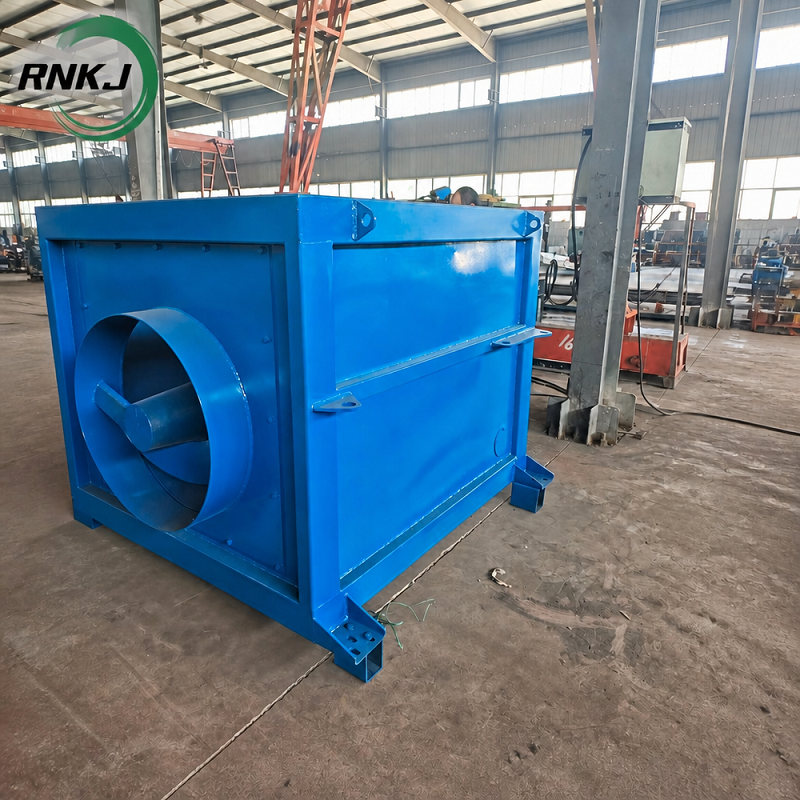


| Quantity: | |
|---|---|
 Product Overview
The Automatic Feeding High-Compression Screw Garbage Compactor is an industrial waste handling solution designed to continuously receive, convey, and compact suitable solid waste materials before they are collected, stored, or transported for further processing. By combining an automatic feeding mechanism with a heavy-duty screw compaction system, the equipment provides an integrated approach to waste volume reduction for facilities that generate substantial quantities of waste during daily operations.
Unlike conventional garbage compactors that rely primarily on repeated pushing cycles to compress individual batches of waste, a screw garbage compactor uses a rotating screw mechanism to move material through the compression chamber. As the screw rotates, waste is progressively conveyed toward the discharge section, where mechanical resistance helps build compression pressure. The resulting compacted material can then be directed into a connected collection container or a configured discharge system, depending on the equipment design.
The automatic feeding function is an important part of the system. It helps regulate the delivery of waste into the screw compaction unit, reducing the need for constant manual feeding and supporting a more consistent material flow. When integrated with appropriate sensors, control components, and a suitable feeding device, the system can coordinate feeding and compaction according to operating conditions and preset control requirements.
The Automatic Feeding High-Compression Screw Garbage Compactor is suitable for industrial and commercial waste management projects where stable feeding, continuous material handling, and effective volume reduction are important considerations. Its configuration can be selected according to the type of waste, daily waste generation, installation space, required processing capacity, and the method used to collect the compacted material.
Automatic Feeding System for Continuous Waste HandlingThe automatic feeding system is one of the key components of the Automatic Feeding High-Compression Screw Garbage Compactor. It connects the waste collection point with the screw compression mechanism and helps deliver materials into the machine in a controlled manner.
Depending on the project requirements, the feeding section can be designed with a receiving hopper,enclosed inlet, or other compatible material transfer equipment. The final configuration depends on the physical characteristics of the waste and the required feeding method.
Controlled Material Feeding
The feeding mechanism is designed to guide waste into the screw compaction chamber while helping maintain a steady supply of material. Where an automatic control system is installed, sensors and a controller can coordinate the feeding process with the operating status of the compactor.
This arrangement helps reduce unnecessary manual handling and makes the waste collection process easier to manage. It is particularly useful in facilities where waste is generated throughout the day rather than collected in a single batch.
Coordination Between Feeding and Compaction
The automatic feeding function needs to work in coordination with the screw mechanism. Feeding speed, material volume, and screw operating conditions should be matched to avoid overloading the equipment or interrupting material movement.
For applications involving bulky waste, an appropriately designed feeding section can also help guide materials into the screw inlet more consistently. Additional feeding or pre-processing equipment may be considered when the waste contains large, irregular, or difficult-to-handle items.
The exact feeding arrangement can be selected according to the waste characteristics and the required processing workflow.
High-Compression Screw MechanismThe screw mechanism is the core working component of the Automatic Feeding High-Compression Screw Garbage Compactor. It is designed to move waste forward while progressively applying mechanical compression.
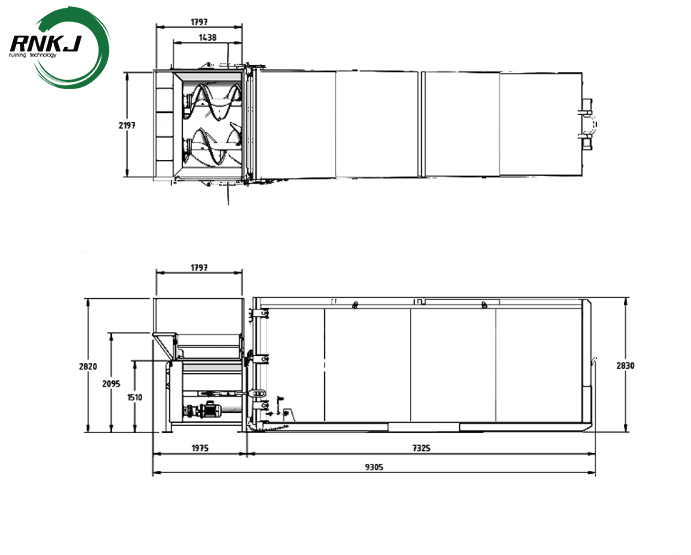
The screw assembly typically consists of a drive unit, rotating screw shaft, helical flights, and a supporting compression chamber. Depending on the equipment design, the system may also incorporate wear-resistant components and a configured discharge section.
When the screw rotates, its helical structure pushes waste along the chamber toward the discharge end. As the material moves forward, the chamber geometry and discharge resistance create the conditions needed for compression.
This working principle combines material conveying and compression in one mechanical process. Instead of relying exclusively on a reciprocating compression plate, the screw mechanism continuously moves suitable waste through the machine during operation.
The compression performance of an Automatic Feeding High-Compression Screw Garbage Compactor depends on several factors, including screw geometry, drive power, chamber design, discharge resistance, material composition, and moisture content.
For suitable waste streams, the equipment can reduce the volume occupied by loose materials and increase the amount of waste accommodated within a collection container. Actual compaction results vary according to the material being processed and the machine configuration.
Rather than applying one universal compression ratio to every application, the equipment should be selected and tested against the customer's actual waste stream to establish realistic performance expectations.
For industrial applications, the screw assembly and its drive components need to withstand repeated mechanical loads during continuous or high-frequency operation. The compression chamber, shaft, screw flights, bearings, and supporting structure should be selected according to the intended materials and operating conditions.
For applications involving abrasive or relatively dense materials, wear-resistant components may be considered to help manage wear in areas exposed to frequent material contact.
Main Components of the EquipmentThe Automatic Feeding High-Compression Screw Garbage Compactor can be configured around the following major components. The exact components and their specifications depend on the selected model.
Receives waste from the collection point or upstream handling equipment and directs it toward the screw inlet. Hopper dimensions and inlet geometry can be adapted to the required feeding method and waste characteristics.
Transfers waste through the compression chamber while generating the mechanical action needed for compaction. Its design influences material movement, compression performance, and the suitability of the machine for different waste types.
Supplies the rotational power required to operate the screw mechanism. Motor power, gearbox arrangement, and drive configuration should be matched to the required throughput and expected material resistance.
Guide material through the machine and toward the receiving container or designated discharge arrangement. The structure must be compatible with the material being processed and the intended waste collection method.
Coordinates the feeding device and screw drive according to the selected control logic. Depending on the configuration, it can include operating controls, status indicators, sensors, and protective interlocks.
How Does the Automatic Feeding High-Compression Screw Garbage Compactor Work?The machine operates through a coordinated process of waste reception, automatic feeding, screw conveying, mechanical compression, and waste discharge.
Waste is collected and delivered to the feeding hopper or another configured inlet. The feeding arrangement is selected according to the waste source and the available material handling equipment.
The feeding system transfers waste into the screw inlet. Where automatic sensors and control logic are installed, feeding can be coordinated with the operating status of the compression mechanism.
The rotating screw moves the waste forward through the compression chamber, helping maintain continuous material movement instead of depending solely on separate pushing cycles.
Mechanical resistance in the compression and discharge sections helps compact the waste as it advances. The resulting density depends on the material and the machine's design parameters.
Compacted waste is directed into the connected container or designated collection system. Once the container reaches its operating limit, it can be removed or emptied according to the installation design.
This workflow allows automatic feeding and screw compaction to operate as parts of one integrated waste handling system. The actual cycle logic, monitoring functions, and discharge method depend on the equipment configuration.

Suitable Waste MaterialsThe Automatic Feeding High-Compression Screw Garbage Compactor can be considered for a range of commercial and industrial waste streams, provided that the screw assembly, feeding system, and discharge arrangement are suitable for the materials involved.
Potential applications include:
Cardboard and paper waste: Used packaging boxes, corrugated cardboard, paper offcuts, and similar materials generated by warehouses and distribution centers.
Plastic packaging waste: Selected plastic packaging materials and suitable plastic waste streams, subject to the machine's material compatibility requirements.
Wood waste: Appropriate wood offcuts and lightweight wood packaging waste, depending on the screw design and feeding configuration.
Commercial solid waste: Selected dry commercial waste generated by shopping centers, logistics facilities, and large commercial properties.
Industrial production waste: Suitable production scraps and packaging residues that can be safely conveyed and compacted by the configured system.
The machine is not automatically suitable for every type of garbage. Long fibrous materials, oversized rigid objects, metal parts, stones, hazardous waste, and materials with excessive liquid content may require special treatment or may be unsuitable for a particular model. Waste composition should therefore be evaluated before selecting the equipment.
Key Features and AdvantagesThe automatic feeding system helps transfer waste into the screw compression unit with less reliance on manual loading. When properly integrated with the control system, it can coordinate feeding with the machine's operating conditions and support a more organized waste handling process.
The screw mechanism combines material conveying and compression. This design is suitable for applications where waste is generated continuously and needs to be processed through a consistent material flow rather than exclusively through individual compression batches.
The high-compression design helps reduce the space occupied by suitable loose waste. This can improve collection container utilization and make temporary waste storage and transportation more manageable. The actual volume reduction achieved will depend on the material and operating conditions.
The feeding hopper, screw compression assembly, drive system, and discharge section can be configured as a coordinated system. This makes it possible to connect the compactor with an existing waste collection process or design it as part of a new industrial waste handling installation.
The main frame and compression chamber can be engineered for the expected operating loads. For applications involving frequent operation or abrasive waste, the selection of suitable structural materials and wear-resistant components is important for long-term equipment reliability.
The feeding height, inlet arrangement, machine layout, and receiving container interface can be assessed according to site conditions. This helps integrate the Automatic Feeding High-Compression Screw Garbage Compactor into different factory, warehouse, and commercial waste collection layouts.
Typical ApplicationsHandles cardboard, packaging residues, and other suitable waste generated by storage, sorting, and order fulfillment operations.
Supports the collection and compaction of compatible production scraps and packaging waste generated during manufacturing activities.
Provides a centralized way to handle suitable packaging and general commercial waste produced by multiple departments or tenants.
Can serve as a preliminary volume-reduction stage before waste is transferred to the next handling or recycling process, where the material and system design permit.
Equipment Configuration and CustomizationDifferent projects have different waste generation rates, material characteristics, and installation requirements. The Automatic Feeding High-Compression Screw Garbage Compactor should therefore be configured according to the actual operating environment rather than selected by product name alone.
The following factors can be evaluated during equipment selection:
- Feeding method: Receiving hopper, conveyor-assisted feeding, or another compatible feeding arrangement.
- Processing capacity: Required waste throughput, operating hours, and expected peak loading.
- Screw assembly: Screw geometry, drive requirements, and wear protection appropriate to the intended waste.
- Collection arrangement: Connected container, receiving bin, or another suitable discharge system.
- Installation layout: Available floor space, feeding height, maintenance access, and material transfer routes.
- Control requirements: Manual, assisted, or automatic operating functions, with suitable sensors and protective devices.
- Environmental conditions: Indoor or outdoor installation, moisture exposure, and any requirements for liquid collection or odor management.
Capacity, motor power, screw dimensions, compression performance, and container compatibility should be confirmed against the final engineering design. These parameters should not be assumed from the product name alone.
Why Choose an Automatic Feeding High-Compression Screw Garbage Compactor?Choosing an Automatic Feeding High-Compression Screw Garbage Compactor can be beneficial for facilities that need a coordinated system for feeding and compacting suitable solid waste.
Its main value lies in the combination of automatic material delivery and screw-based compression. The feeding mechanism helps organize the input process, while the screw assembly continuously conveys and compresses waste under suitable operating conditions. Together, these functions can support a more consistent waste handling workflow.
For businesses dealing with substantial volumes of packaging or other compatible industrial waste, the system can help reduce loose waste volume, improve collection container utilization, and simplify the movement of waste between production areas and collection points.
The best configuration depends on the customer's actual requirements. Evaluating the waste type, required throughput, installation conditions, and collection method before purchasing helps ensure that the selected equipment matches the intended application.
FAQAn Automatic Feeding High-Compression Screw Garbage Compactor uses an automatic feeding system to deliver waste into a screw compression chamber. The rotating screw conveys the material forward while applying mechanical compression. The compacted waste is then discharged into a connected container or designated collection system, depending on the equipment configuration.
The equipment can handle suitable industrial and commercial waste, including cardboard, paper packaging, selected plastic waste, and other compatible solid materials. The actual application depends on the screw design, feeding arrangement, material dimensions, moisture content, and required processing capacity. Waste compatibility should be confirmed before installation.
Automatic feeding helps deliver waste into the compression chamber more consistently and reduces the need for continuous manual loading. When integrated with suitable sensors and an automatic control system, it can coordinate feeding with the screw mechanism, helping improve workflow organization and reduce unnecessary material handling.
Yes. The screw mechanism conveys and compresses suitable waste, helping reduce the volume of loose materials and improve collection container utilization. The actual compaction performance depends on the waste composition, material properties, screw configuration, and operating conditions.
Yes. The equipment configuration can be tailored to project requirements, including feeding methods, processing capacity, screw assembly, drive system, control functions, installation layout, and waste discharge arrangements. Customers should provide details about the waste type, daily waste generation, available installation space, and collection method to determine a suitable configuration.
The Automatic Feeding High-Compression Screw Garbage Compactor combines automatic feeding, continuous screw conveying, and mechanical waste compression in an integrated industrial waste handling solution. Its design is intended to help process suitable solid waste, reduce loose material volume, and support more organized collection and transportation.
With a feeding arrangement, screw assembly, drive system, and discharge configuration selected for the intended waste stream, the equipment can be adapted to a variety of industrial and commercial waste management projects.
For equipment selection, the most important considerations are material compatibility, processing capacity, compression requirements, installation layout, and the receiving container arrangement. Matching these factors to the actual application provides a practical basis for specifying the right screw garbage compactor.
We are an established equipment manufacturer equipped with state-of-the-art production facilities, including CNC laser cutting machines, CNC bending machines and machining centers. These ensure our products’ superior quality and exquisite finish.
We accommodate custom design requirements based on drawings, backed by a robust technical team and skilled welding professionals. We look forward to cooperating with you.


