






| Quantity: | |
|---|---|
The Customized Capacity Underground Horizontal Refuse Compactor for Transfer Station is a heavy-duty waste compaction solution designed for municipal waste transfer stations, sanitation facilities, industrial parks, commercial areas, and large-scale waste collection points. By combining an underground installation structure with horizontal hydraulic compression, this system makes better use of limited space while increasing waste storage density and reducing the frequency of waste transportation.
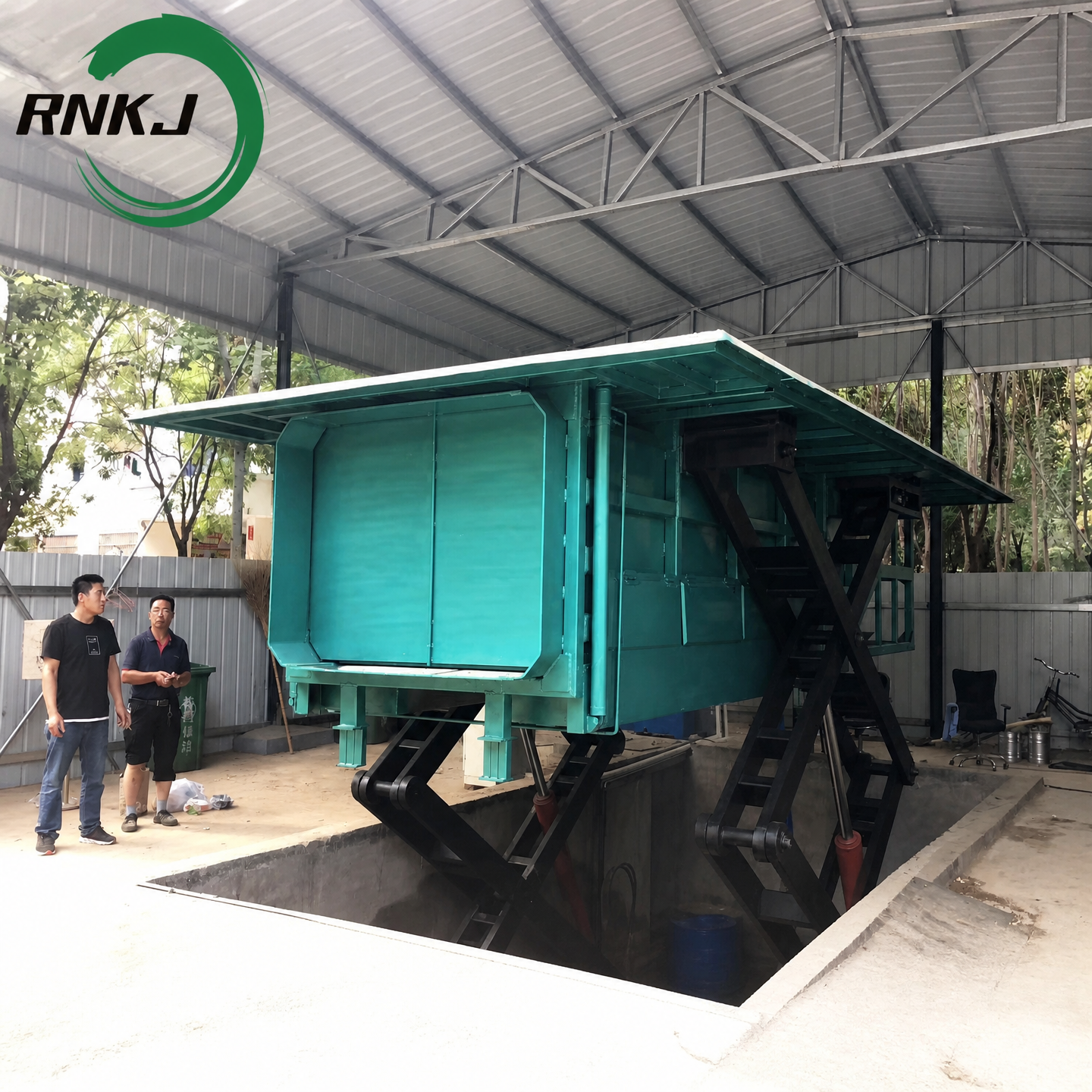
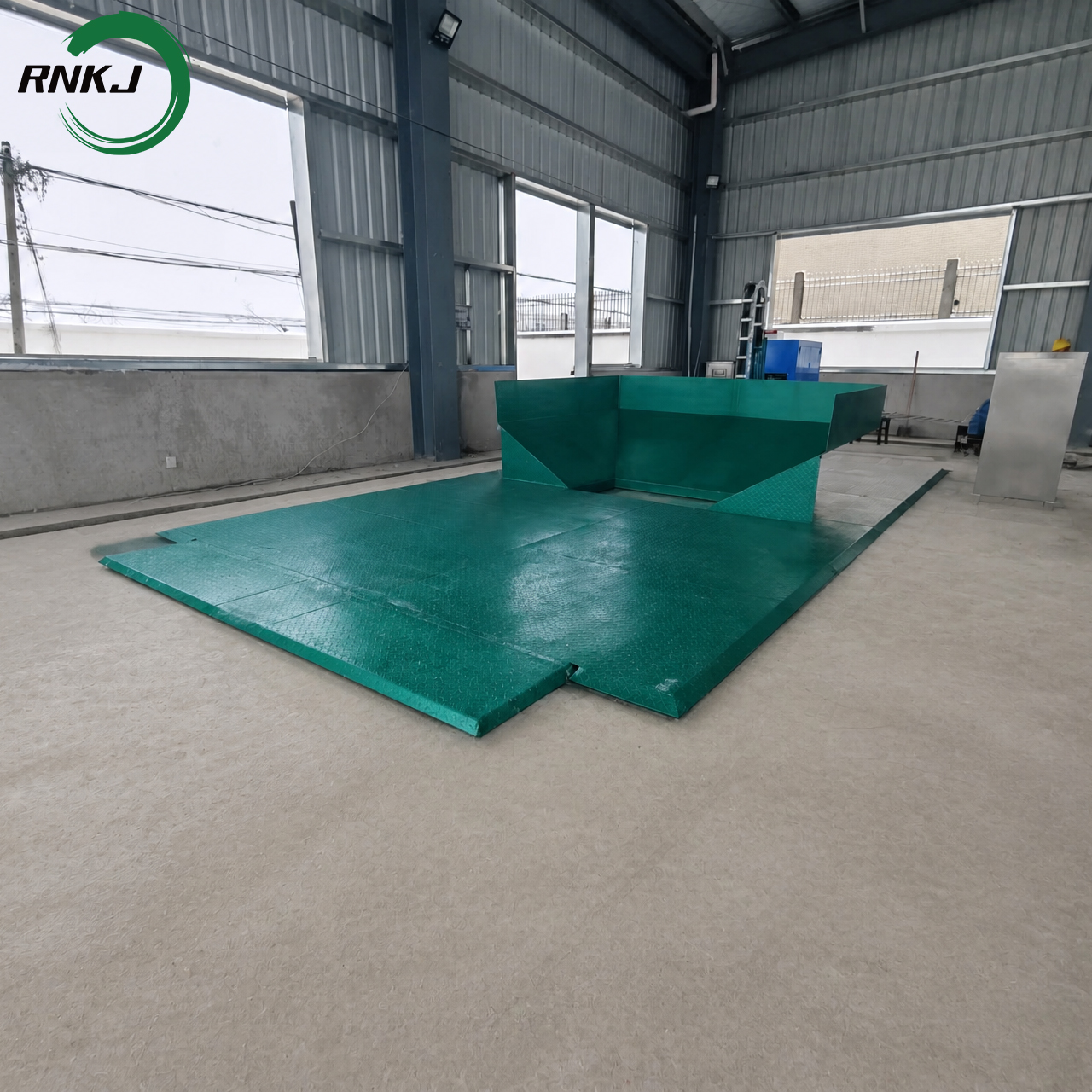
The equipment shown is designed with a robust steel structure, hydraulic lifting mechanism, horizontal compression chamber, feeding area, and independent hydraulic/electrical control system. The capacity, chamber dimensions, lifting height, feeding configuration, and other specifications can be customized according to the customer's site conditions and waste-handling requirements.
 What Is an Underground Horizontal Refuse Compactor for Transfer Station?
An Underground Horizontal Refuse Compactor for Transfer Station is a waste compaction machine installed partially or fully below ground level. Waste is loaded through the above-ground feeding area and then compressed horizontally inside the compaction chamber.
Compared with conventional open waste storage containers, the horizontal compaction design can significantly reduce the volume occupied by loose waste. This allows transfer stations to handle a larger amount of refuse without continuously increasing the footprint of the waste collection area.
The underground structure also helps keep the main waste storage and compression area below the surrounding ground level, making it easier to integrate the equipment into municipal sanitation facilities, waste transfer stations, and other centralized waste collection projects.
Customized Capacity for Different Transfer Station ProjectsOne of the main advantages of this Underground Horizontal Refuse Compactor for Transfer Station is its customizable configuration.
Different waste transfer stations have different daily waste volumes, available installation spaces, transportation arrangements, and collection requirements. Instead of using a one-size-fits-all machine, the compactor can be engineered according to the actual project.
Customization options may include:
Customized waste storage and compaction capacity
Customized overall equipment dimensions
Customized underground pit dimensions
Customized feeding opening
Customized compression chamber size
Customized hydraulic system
Customized lifting height
Customized electrical control system
Customized control panel configuration
Customized steel structure and reinforcement
Customized surface appearance and installation arrangement
This makes the equipment suitable for both standard waste transfer stations and specialized municipal sanitation projects.
Horizontal Hydraulic Compression DesignThe horizontal compression mechanism is the core working section of the machine. After refuse enters the compression chamber, the hydraulic system drives the compression mechanism to move horizontally and compact the waste.
The horizontal arrangement provides several practical benefits.
Loose municipal waste can occupy a large amount of space. Hydraulic horizontal compression reduces the volume of waste inside the chamber, allowing more refuse to be stored within the same effective space.
For transfer stations receiving waste from multiple collection vehicles, increasing the amount of waste stored between transportation cycles can help reduce unnecessary handling and transportation frequency.
The main body is constructed from heavy-duty steel components to withstand repeated loading and compression operations. Structural reinforcement can also be customized according to expected waste loads and operating conditions.
Underground Installation Saves Valuable SpaceSpace is an important consideration for modern waste transfer stations, especially in urban and densely developed areas.
The underground design places the major waste storage and compaction structure below ground level while maintaining an accessible loading area above ground. This helps reduce the visual impact of conventional large waste containers and allows the equipment to be integrated more naturally into an existing sanitation facility.
The underground configuration can be particularly suitable for:
Urban waste transfer stations
Municipal sanitation projects
Residential communities
Industrial parks
Commercial complexes
Logistics parks
Large factories
Public facilities
High-density waste collection areas
The actual underground depth, pit dimensions, access configuration, and installation method should be determined according to the project site and equipment design.
Hydraulic Lifting SystemAs shown in the product image, the equipment is equipped with a large scissor-type hydraulic lifting structure beneath the main compaction body.
The hydraulic lifting mechanism can raise or lower the equipment to facilitate loading, maintenance, installation, and operational requirements.
The lifting system can be engineered according to the customer's:
Required lifting height
Equipment weight
Underground pit depth
Site conditions
Loading and unloading method
Maintenance requirements
The hydraulic power unit and control system can also be configured according to the required operating cycle and project specifications.
Main Technical Parameters| Item | Specification |
|---|---|
| Effective Compression Bin Volume | 12 m³ |
| Installation Style | Underground buried type |
| Compression Mode | Horizontal hydraulic compression |
| Discharging Method | Hydraulic direct push‑out onto garbage truck |
| Lifting Structure | Heavy‑duty scissor lift platform |
| Applicable Waste Type | Residential domestic garbage, municipal household waste |
| Compression Ratio | 3‑4 : 1 |
| Control Mode | Automatic / Manual dual‑mode control |
| Working Environment | Residential community, residential compound, property service area |
Working Principle of the Underground Horizontal Refuse CompactorThe operating process of an Underground Horizontal Refuse Compactor for Transfer Station can generally be divided into several stages:
Municipal or commercial refuse is delivered to the transfer station and loaded into the feeding area of the compactor.
The refuse moves into the horizontal storage and compression chamber.
The hydraulic system activates the compression mechanism. The compression plate pushes the waste horizontally, reducing its occupied volume and increasing the density of the stored material.
Depending on the amount and type of incoming waste, the compression cycle can be repeated to achieve the required storage density.
When the compaction chamber reaches its designed filling level, the compressed waste can be transferred according to the customer's waste transportation system.
The final unloading and transportation configuration can be customized according to the transfer station's truck type, container system, and downstream waste treatment process.

Key Features of the Customized Underground Horizontal Refuse CompactorThe equipment can be designed according to daily waste generation and transportation frequency rather than being limited to a fixed standard capacity.
The underground configuration helps maximize the utilization of available land while reducing the amount of equipment exposed above ground.
The hydraulic compression system provides strong and consistent compaction performance for high-volume waste handling applications.
A reinforced steel structure is suitable for continuous operation in demanding waste transfer environments.
The feeding opening, capacity, dimensions, hydraulic system, electrical controls, lifting mechanism, and other components can be customized.
The system is designed for locations where large amounts of refuse need to be collected, compacted, temporarily stored, and transferred efficiently.
The equipment can be designed around the existing site layout and transportation workflow, making it suitable for new construction and certain renovation projects.
Product Style
|
|
Designed for Different Waste Management RequirementsThe equipment can be configured for different types of general solid waste commonly handled at transfer stations. Before selecting the machine, customers should provide information about waste type, approximate daily waste volume, required storage capacity, transportation method, available installation area, and expected operating frequency.
Based on these factors, the compactor configuration can be adjusted to achieve a suitable balance between capacity, compression performance, installation dimensions, hydraulic power, and transportation efficiency.
Professional Customization for Waste Transfer Station ProjectsFor projects requiring a customized Underground Horizontal Refuse Compactor, the equipment design should be based on actual site conditions rather than simply selecting a machine by nominal capacity.
Important project information includes:
Daily waste volume
Waste composition
Required compaction ratio
Required storage capacity
Available installation space
Underground pit dimensions
Required lifting height
Truck/container dimensions
Waste unloading method
Electrical power requirements
Automatic or manual control requirements
Local operating environment
With this information, the equipment can be configured to better match the complete waste transfer process.
A Practical Solution for Modern Waste Transfer StationsThe Customized Capacity Underground Horizontal Refuse Compactor for Transfer Station combines underground installation, hydraulic horizontal compaction, customized capacity, and heavy-duty construction into one integrated waste management solution.
For waste transfer stations that need to handle increasing waste volumes while making better use of limited space, this type of equipment provides a practical way to improve waste storage density and organize the transfer process.
With customized dimensions and hydraulic configurations, it can be developed for different municipal, commercial, industrial, and sanitation applications. Whether the project requires a compact underground installation or a larger-capacity waste transfer solution, the equipment can be configured around the project's specific operational requirements.

We are a professional manufacturer of sanitation machinery, providing customers with ex-factory prices and on-demand customization services. You can contact us via WhatsApp or email.


