



 Product Overview
The Customizable High-Pressure Vertical Waste Compactor is a heavy-duty hydraulic waste compaction machine designed to reduce the volume of waste through powerful vertical compression. Featuring a robust steel frame, a vertically moving compression head, a hydraulic drive system, and a dedicated electrical control cabinet, this machine is designed for waste management applications that require a substantial compression structure and a customized equipment layout.
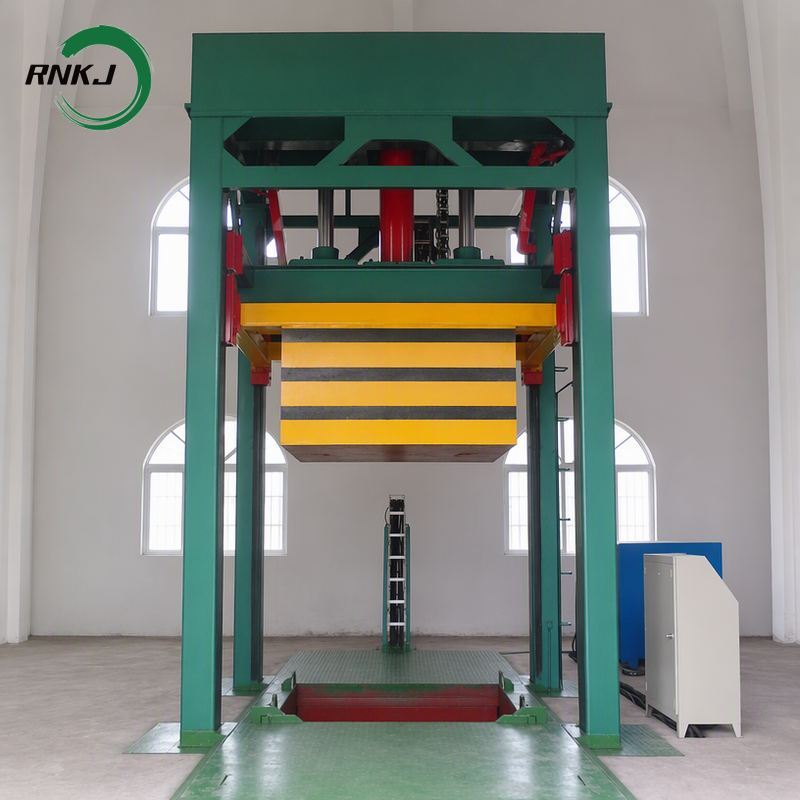
As shown in the product image, the machine features a large four-column frame that supports the upper compression mechanism. The yellow compression head moves vertically within the frame, while the lower section provides the working area for waste compression. An external control cabinet is positioned beside the machine to accommodate the electrical control system.
The overall configuration makes this product suitable for projects that require a customized hydraulic vertical waste compactor rather than a small, fixed-size waste reduction unit.
The equipment can be configured according to the customer's waste type, required compression force, working dimensions, loading arrangement, installation height, and operating requirements. These options allow the machine to be adapted to different industrial, commercial, and centralized waste handling environments.
Unlike equipment designed exclusively for a single standardized container, a customized vertical waste compaction system can be planned around the site's actual waste handling process. The goal is to establish a suitable combination of compression performance, structural strength, operating convenience, and installation compatibility.
Key product features include:
High-pressure hydraulic compression: Applies controlled downward force to suitable waste materials.
Heavy-duty steel frame: Provides the structural support required for repeated compression cycles.
Vertical compression head: Moves downward through the working area to compact loaded waste.
Customizable machine dimensions: Allows the overall structure and working height to be adapted to site conditions.
Flexible hydraulic configuration: Hydraulic components can be selected according to the required compression force and operating cycle.
Independent control cabinet: Provides a designated location for the machine's electrical controls.
Project-specific engineering: Enables customization of the working area, feeding arrangement, control mode, and related equipment interfaces.
For buyers searching for a customizable high-pressure vertical waste compactor, this machine offers a configuration-focused approach to industrial waste volume reduction.
Heavy-Duty Four-Column Steel FrameThe reinforced steel frame is one of the most important structural components of the Customizable High-Pressure Vertical Waste Compactor.
The machine adopts a tall, four-column structure with an upper supporting frame and a central working area. This arrangement provides space for the compression head to move vertically while supporting the hydraulic mechanism above it.
During compression, the machine experiences substantial forces generated by the hydraulic system and resistance from the waste material. The frame must therefore be engineered to withstand the intended operating loads while maintaining appropriate alignment between the compression head and its guide structure.
The main structural considerations include:
Frame dimensions and steel section specifications
Column arrangement and reinforcement
Upper beam construction and hydraulic mounting points
Compression head guidance and alignment
Structural stiffness during repeated compression
Installation base and anchoring requirements
Access for inspection and maintenance
For projects with different compression requirements, the frame dimensions and structural configuration can be selected according to the required working load and machine layout.
A properly designed frame helps support stable operation and consistent movement of the compression head. The final structural specifications should be confirmed through engineering calculations and approved technical drawings.
For industrial customers, the advantage of customization is that the machine structure can be matched to the required compression force and working environment rather than selected solely according to its external appearance.
High-Pressure Hydraulic Compression SystemThe hydraulic compression system is the core working mechanism of this vertical waste compactor. It converts hydraulic power into the mechanical force required to press waste downward inside the compression area.
The machine shown in the image has a prominent upper hydraulic assembly and a vertically moving yellow compression head. During operation, the hydraulic system drives the compression head downward, applying force to the material loaded into the working area.
As the compression head moves through its working stroke, the waste is compressed into a smaller volume. Once the configured compression cycle is completed, the head retracts to its starting position, allowing the next operating cycle to begin.
The hydraulic system can be engineered around the intended waste material and required operating performance.
Depending on the final machine configuration, customization may cover:
Hydraulic cylinder size and arrangement
Cylinder stroke and working travel
Hydraulic working pressure
Required compression force
Hydraulic pump and motor configuration
Operating cycle and pressure control
Hydraulic piping and component selection
Maintenance access and inspection arrangements
The required compression force should be determined based on the waste characteristics, chamber dimensions, and target performance. A machine intended for relatively soft packaging materials may require a different configuration from one handling more resistant industrial waste.
It is also important to distinguish hydraulic working pressure from compression force. They are related, but they are not interchangeable specifications. The force delivered by the compression head depends on the hydraulic pressure, effective cylinder area, and mechanical arrangement.
For customers seeking a high-pressure hydraulic vertical waste compactor, confirming these parameters before production helps ensure that the machine is designed for the intended application.
Vertical Compression Head DesignThe compression head is a prominent working component of the machine shown in the photograph.
Its purpose is to transmit the force generated by the hydraulic system to the waste inside the working area. The compression head moves vertically within the supporting frame and applies downward pressure to the loaded material.
The dimensions and construction of the compression head influence how force is distributed across the material. Its size should therefore be selected in conjunction with the working chamber, hydraulic configuration, and type of waste.
For a customized project, the following details should be considered:
Compression head dimensions: The working width and depth should match the intended compression area.
Structural strength: The head must be designed for the loads generated during the specified compression cycle.
Movement alignment: The guide structure should help maintain controlled vertical movement and reduce unwanted misalignment.
Working stroke: The available travel should accommodate the intended loading and compression process.
Material compatibility: The compression configuration should be suitable for the physical characteristics of the waste being processed.
The compression head is not simply a flat pressing component. It forms part of an integrated mechanical system involving the frame, hydraulic cylinders, guides, and working chamber.
By coordinating these components during the design stage, the manufacturer can develop a vertical waste compactor that better fits the customer's material handling requirements.
Customizable Compression Force and Machine DimensionsA key selling point of the Customizable High-Pressure Vertical Waste Compactor is the ability to tailor its technical configuration to different projects.
Waste management requirements vary considerably between manufacturing plants, warehouses, commercial properties, and centralized waste collection facilities. Waste composition, daily generation, available floor space, installation height, and loading methods can all affect the choice of equipment.
Rather than assuming that one standard configuration suits every application, the machine can be specified according to the customer's operating conditions.
Customization item | What can be considered |
|---|---|
Compression force | Required hydraulic force based on waste characteristics |
Frame dimensions | Overall width, depth, height, and structural arrangement |
Compression head | Working dimensions and structural specifications |
Hydraulic system | Cylinder configuration, pressure, stroke, and power unit |
Working chamber | Dimensions suited to the intended material and process |
Feeding arrangement | Loading opening and interface with upstream equipment |
Control system | Control functions and automation level |
Electrical requirements | Voltage, frequency, and control cabinet configuration |
Installation layout | Available floor space, overhead clearance, and maintenance access |
Discharge arrangement | Method of removing compressed waste, subject to the machine design |
The exact customization range depends on the engineering design and should be confirmed with the manufacturer.
For example, a customer processing large quantities of cardboard packaging may prioritize a wide loading area and convenient material handling. A facility processing selected industrial waste may place greater emphasis on compression force, structural durability, and integration with existing equipment.
By matching the machine to the application, buyers can avoid paying for unnecessary features while ensuring that important operating requirements are addressed.
Electrical Control Cabinet and Operating ConfigurationThe product image shows a separate electrical control cabinet positioned beside the main steel structure. This arrangement provides a dedicated location for the machine's electrical control components.
The control cabinet and hydraulic system work together to coordinate machine operation. The precise control functions depend on the electrical design and selected automation level.
Possible control options may include manual operation, semi-automatic operation, or PLC-based control, depending on the model.
Functions that may be specified include:
Starting and stopping the machine
Controlling compression and return movements
Managing the operating sequence
Monitoring selected operating conditions
Emergency stop functionality
Door or access interlocks where applicable
Fault indication and operating status monitoring, where configured
For international projects, the electrical system should be matched to the destination country's power supply and applicable electrical standards.
Safety equipment must also be selected according to the actual machine design and local regulations. Appropriate guarding, interlocks, emergency stops, operator training, and maintenance procedures are important for equipment that uses a powerful moving compression head.
The final control specifications should be documented in the technical proposal rather than assumed from the appearance of the cabinet.
Product Style
|
|
Waste Materials and Suitable ApplicationsThe Customizable High-Pressure Vertical Waste Compactor can be configured for suitable waste streams where volume reduction is required. The most appropriate application depends on the material's physical properties and the selected machine design.
Warehouses, distribution centers, and manufacturing facilities often generate bulky cardboard cartons and packaging materials. A suitable vertical compaction system can reduce their loose volume and help organize waste before collection.
Selected plastic waste can be compacted when the material and machine configuration are compatible. Plastic elasticity and material recovery after compression should be considered when selecting the equipment.
Manufacturing plants and industrial workshops may use vertical compaction to manage compatible production waste and packaging residues. The waste stream should be assessed before selecting the compression configuration.
Shopping centers, commercial facilities, and centralized waste collection areas can benefit from a designated compaction point that helps organize suitable waste before transportation.
Facilities receiving waste from multiple departments or collection points can integrate a vertical waste compactor into their handling workflow when the equipment matches the material and downstream process.
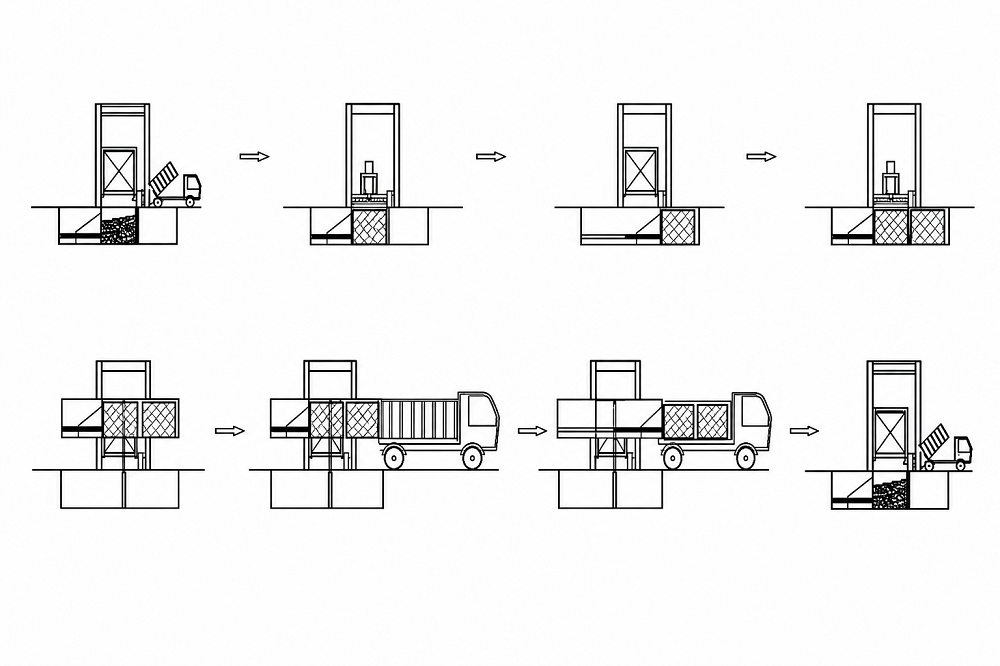
How the Vertical Waste Compactor WorksThe basic compression process consists of loading, hydraulic compression, retraction, and removal or further handling of the processed waste.
Suitable waste is introduced into the designated working area using the configured feeding method. The loading procedure depends on the machine design and material size.
The hydraulic system drives the compression head downward, applying force to the waste and reducing the space it occupies.
The machine follows its configured operating sequence. Pressure, movement, and cycle settings are determined by the hydraulic and electrical control design.
After the compression stage, the head returns to its starting position according to the machine's operating sequence.
The compressed material is removed, stored, or transferred using the discharge and handling arrangement designed for the selected model.
The exact operating sequence, including any pressure-holding stage, automatic cycle, or discharge mechanism, depends on the final machine configuration. The operating manual and safety procedures should always be followed.
Key Advantages of a Customizable High-Pressure Vertical Waste CompactorThe hydraulic system and compression structure can be selected to suit the intended waste stream and required performance. This is especially useful for buyers whose waste handling requirements cannot be adequately addressed by a standard machine.
The vertical compression arrangement makes use of overhead space. Where sufficient clearance is available, it can help fit a compression process into a designated waste handling area without requiring a long horizontal compression chamber.
The large steel frame provides the supporting structure for the compression mechanism. Its dimensions, reinforcement, and working load specifications can be determined according to the selected design.
The hydraulic power unit, cylinder configuration, control mode, and electrical specifications can be selected to match the customer's operational requirements, subject to engineering feasibility.
By consolidating suitable loose waste through a defined compression process, the machine can help facilities manage accumulated material in a more organized manner.
Machine height, working dimensions, feeding arrangements, and auxiliary equipment interfaces can be considered during project planning. This helps align the equipment with site restrictions and existing handling procedures.
Compressing suitable waste can reduce the space it occupies. The resulting savings in storage or transportation depend on the material, compression performance, collection method, and existing waste management arrangements.
How to Select the Right ConfigurationBefore ordering a Customizable High-Pressure Vertical Waste Compactor, buyers should provide enough information for the manufacturer to evaluate the required machine design.
First, identify the waste material.
Different materials behave differently under compression. The material type, approximate dimensions, moisture content, and physical characteristics help determine whether the proposed machine is suitable.
Second, estimate the daily waste volume.
The amount of waste generated and the number of operating hours influence the required machine capacity and compression cycle.
Third, determine the required compression force.
If the buyer does not know the appropriate force, the manufacturer should recommend a suitable configuration based on the material and project requirements.
Fourth, confirm the available installation space.
Provide the site's width, depth, ceiling height, access conditions, and foundation information where available.
Fifth, define the loading and discharge process.
Explain how waste will enter the machine and where the compressed material will go after processing.
Sixth, confirm the electrical and control requirements.
Specify the destination country, local voltage and frequency, preferred control mode, and any required integration with existing equipment.
Finally, request a detailed technical proposal.
The proposal should identify the machine configuration, principal components, dimensions, utilities, safety provisions, installation requirements, and quotation scope.
Providing this information helps the manufacturer recommend a configuration that fits the project rather than relying on a generic product specification.
FAQA Customizable High-Pressure Vertical Waste Compactor is a hydraulic machine that compresses suitable waste downward using a vertically moving compression head. Its frame dimensions, hydraulic system, compression force, and related configurations can be selected according to the application.
Yes. The hydraulic system can be designed around the required compression force, subject to the machine's structural design and operating conditions. The appropriate specification depends on waste type, chamber dimensions, and target performance.
The vertical arrangement uses overhead space for the compression mechanism and can be useful where floor space is limited. The installation must still provide adequate height, loading access, and maintenance clearance.
Potential applications include suitable cardboard, packaging materials, selected plastic waste, and compatible industrial or commercial waste. The manufacturer should evaluate the actual waste stream before confirming suitability.
The frame dimensions, working height, compression area, and other design features can be evaluated for customization. Final dimensions depend on the required working performance and installation conditions.
The most useful information includes waste type, daily waste volume, target compression performance, available installation dimensions, feeding and discharge methods, destination country, and electrical requirements.
The available control mode depends on the selected electrical configuration. Manual, semi-automatic, or PLC-based control may be considered where supported by the design. Specific functions should be confirmed before ordering.
Integration may be possible depending on the site's layout and the selected feeding and discharge arrangements. Drawings and interface requirements should be reviewed before production.
Request a Customized High-Pressure Vertical Waste Compactor QuoteIf your facility requires a heavy-duty vertical waste compaction solution, the Customizable High-Pressure Vertical Waste Compactor can be evaluated according to your waste materials, operating conditions, and installation requirements.
Rather than selecting a machine based only on its external dimensions, our team can discuss the required compression force, hydraulic configuration, frame structure, working height, loading arrangement, and electrical control requirements with you.
We welcome inquiries from industrial facilities, commercial waste management operators, recycling projects, and engineering contractors seeking a customized hydraulic vertical waste compactor.
To help us prepare a suitable proposal, please share:
Waste type: Cardboard, plastic, packaging waste, or another material
Daily waste generation: Estimated volume or weight
Compression requirements: Target performance or required compression force, if known
Installation conditions: Available width, depth, and height
Operating requirements: Feeding method, control mode, and working schedule
Project location: Destination country and electrical supply requirements
Our team can review these details and help identify a suitable equipment configuration for your project.
Contact us today to discuss your customized high-pressure vertical waste compactor requirements and request a manufacturer quotation. Send us your project details to begin evaluating the right solution for your waste handling needs.


