






| Quantity: | |
|---|---|
The 6-30 CBM Custom Capacity High-Compression Underground Horizontal Waste Compactor is a customized waste compaction solution designed for municipal waste management, commercial complexes, residential communities, and centralized waste collection projects. Featuring an underground installation design, a horizontal compression chamber, and a hydraulic pushing system, this equipment helps improve waste storage efficiency while reducing the space required for above-ground waste collection facilities.
With a customizable capacity ranging from 6 CBM to 30 CBM, the underground horizontal waste compactor can be configured according to the waste generation volume, available installation space, collection frequency, and waste transportation requirements of different projects. Whether it is used in a residential community, a shopping center, a municipal sanitation facility, or a centralized waste collection point, the system can be designed to suit the site's specific operating conditions.
Unlike conventional waste collection containers that mainly provide temporary storage, this high-compression underground waste compactor combines waste collection, hydraulic compaction, and controlled waste pushing in one integrated system. Waste enters the horizontal compression chamber and is compressed by the hydraulic mechanism. The compacted waste is then pushed toward the designated collection or transfer position for subsequent removal by the waste collection vehicle.
The underground installation helps keep most of the equipment below ground level, reducing the visual impact of waste collection facilities on surrounding areas. Combined with customizable capacity and hydraulic compression, the system provides a practical option for projects that need to balance waste handling efficiency, land utilization, site appearance, and daily sanitation operations.
For project owners, contractors, and waste management operators, the main advantage of this custom capacity underground horizontal waste compactor is its adaptability. Capacity, equipment configuration, installation layout, and operating requirements can be discussed during the project design stage, helping ensure that the final solution matches the actual waste collection process.
 Key Features of the Underground Horizontal Waste Compactor
The defining feature of this compactor is its horizontal compression and direct push-out operation.
Instead of simply storing waste in an underground container, the machine actively compresses the collected material and then pushes the compacted waste horizontally toward the discharge side.
The basic operating sequence is:
Waste Loading → Horizontal Chamber Filling → Hydraulic One-Direction Compression → Dense Waste Formation → Direct Push-Out → Waste Truck Collection
This working principle creates a continuous relationship between waste loading, compression, and transportation.
Once the waste has accumulated inside the horizontal compression chamber, the hydraulic pushing mechanism applies force from one direction. The material is gradually compressed toward the discharge side until the required compression condition is achieved.
The compacted waste is then pushed out of the chamber toward the waiting waste collection or transport truck.
How the Hydraulic Horizontal Compaction Process WorksDifferent projects generate different amounts of waste. A residential community with a few hundred households has different collection requirements from a large shopping center, municipal transfer point, or commercial district. For this reason, the 6-30 CBM underground horizontal waste compactor supports capacity customization to accommodate a wide range of waste handling needs.
Customers can select an appropriate capacity according to the expected daily waste volume, peak collection periods, available underground space, and local waste transportation schedules.
6-8 CBM: Suitable for smaller collection points, residential areas, and commercial properties with limited installation space.
10-12 CBM: Suitable for medium-sized residential communities, shopping centers, office buildings, and other commercial facilities.
15-20 CBM: Suitable for larger communities, municipal collection stations, and commercial projects with higher waste generation.
25-30 CBM: Suitable for centralized waste collection locations and larger projects requiring a higher-capacity system.
These are preliminary capacity-selection examples rather than fixed application limits. The final configuration should be determined by the actual project conditions, including waste type, compaction requirements, collection frequency, and site dimensions.
By offering a customizable underground horizontal garbage compactor, the manufacturer can discuss the most appropriate equipment size instead of forcing every project to use the same standard configuration.
The hydraulic compression system is one of the core components of the underground horizontal waste compactor. It generates the force required to compress loose waste inside the horizontal chamber, helping reduce the volume occupied by suitable waste materials and improve the utilization of the available storage space.
During operation, waste is fed into the compression chamber. The hydraulic mechanism drives the compression component forward, applying pressure to the waste. After the required compression cycle, the system prepares for the next operating cycle according to its control configuration.
The high-compression design is particularly useful when a project handles relatively large quantities of loose municipal or commercial waste. Compared with storing uncompacted waste, hydraulic compaction can help increase the amount of waste accommodated within a given usable volume, potentially reducing the frequency of waste collection and transportation.
Actual compaction performance depends on the waste composition, moisture content, bulk density, compression force, chamber dimensions, and operating conditions. Therefore, the required compression force and hydraulic configuration should be confirmed according to the project's specific waste characteristics.
For customers evaluating a high-compression underground waste compactor, these factors are important when comparing equipment specifications and estimating long-term operating costs.
The horizontal compression structure provides a defined direction for waste compaction and movement. After waste enters the horizontal chamber, the hydraulic pushing mechanism compresses the material and moves the compacted waste toward the designated discharge or collection position.
This arrangement supports an organized waste handling process and can be incorporated into centralized waste collection facilities where the equipment layout and vehicle access have been planned in advance.
Key structural characteristics include:
A horizontal compression chamber designed around the required capacity.
A hydraulic pushing mechanism for waste compaction and forward movement.
A coordinated operating sequence for compression and discharge.
A layout that can be adapted to the project's waste collection and transfer arrangements.
The horizontal pushing mechanism is particularly relevant for projects where compacted waste needs to be moved toward a waiting collection vehicle or a designated transfer area. The precise discharge method and vehicle interface should be confirmed during equipment design to ensure compatibility with the intended collection process.
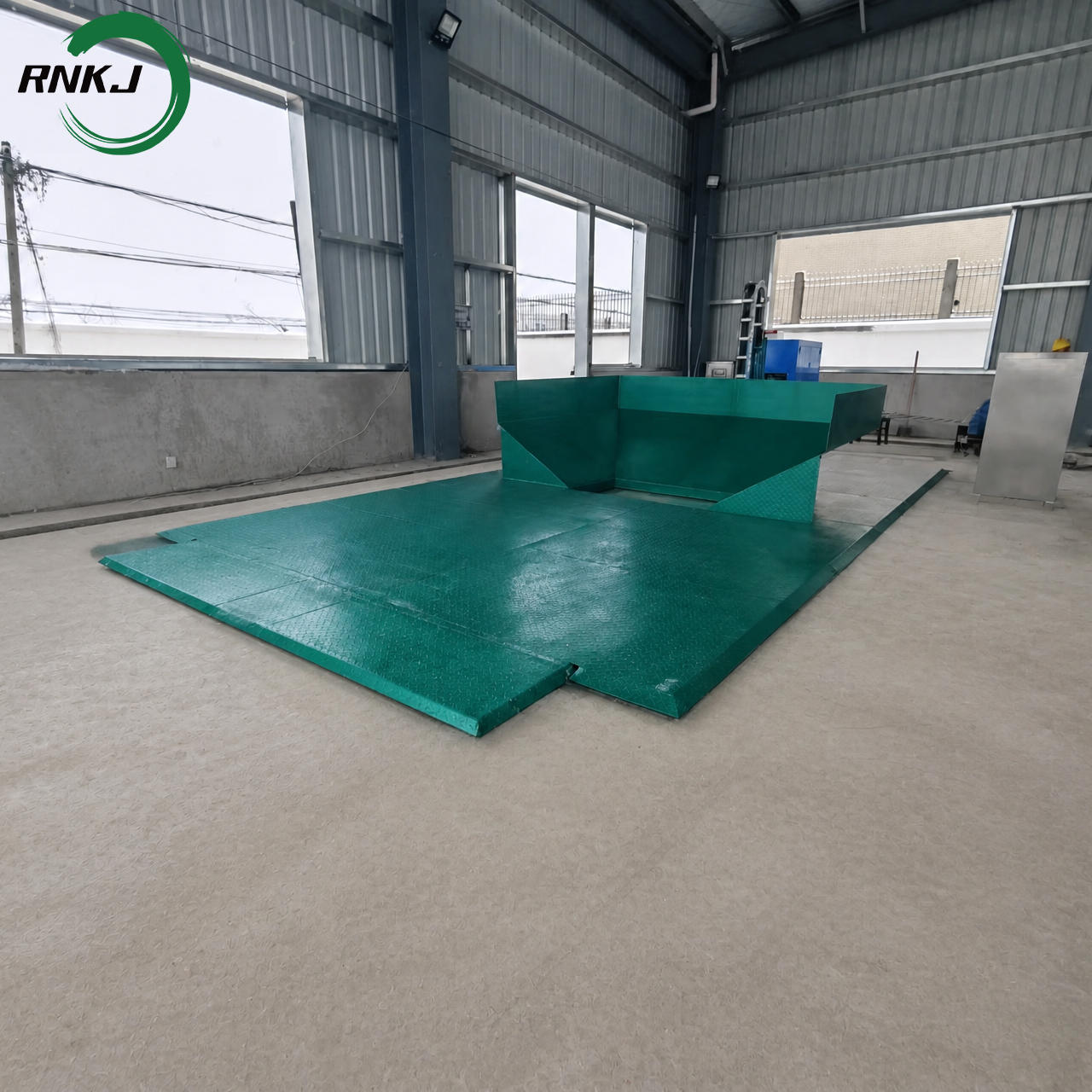
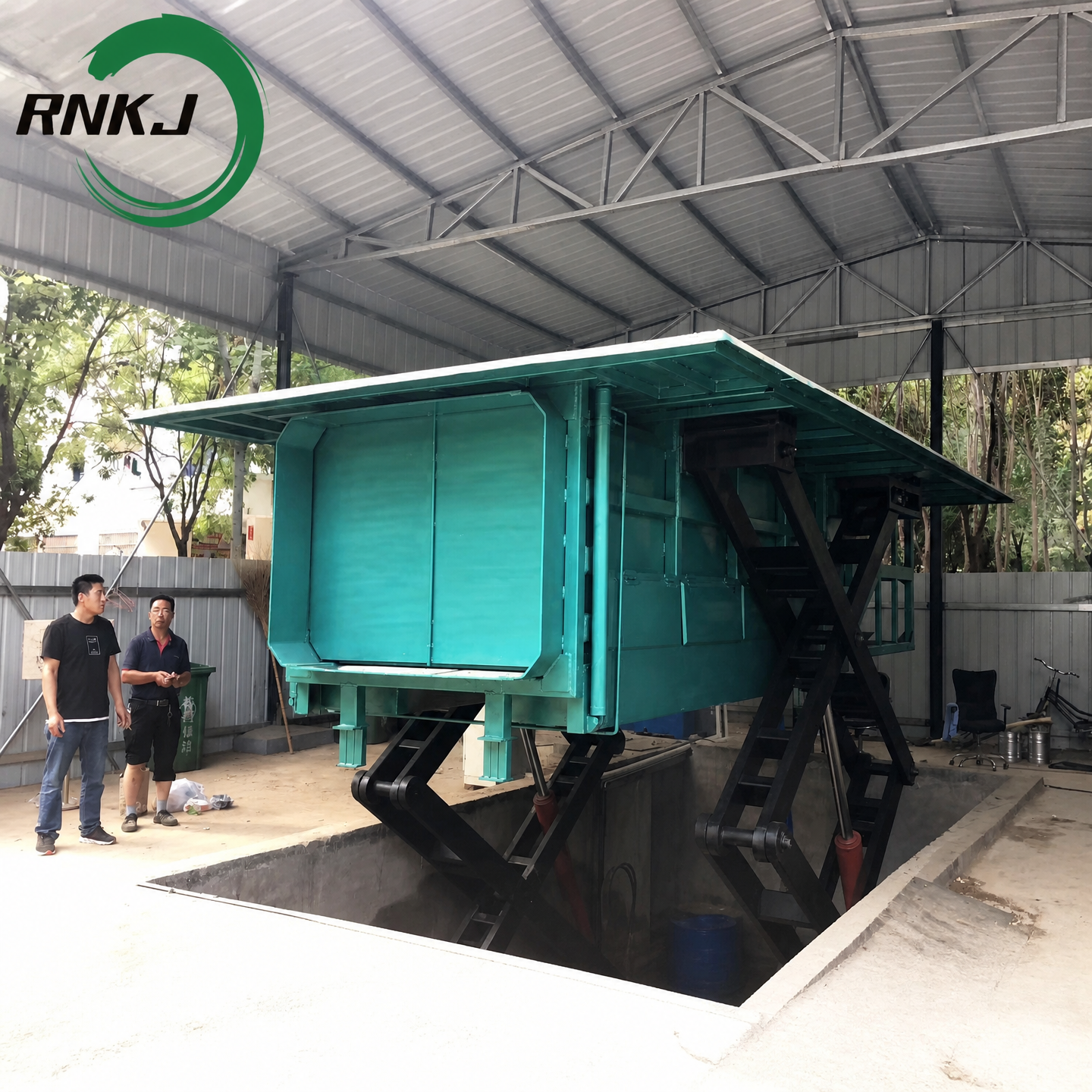
Above-ground waste collection equipment can occupy valuable space and affect the appearance of residential, commercial, and public areas. An underground horizontal waste compactor places the main compaction equipment below ground level, helping preserve usable surface space and create a more organized waste collection area.
This installation approach can be considered for:
Residential communities with limited space for waste collection.
Shopping centers and commercial complexes that need orderly service areas.
Municipal sanitation projects in urban environments.
Public facilities where the visual impact of waste equipment needs to be reduced.
Centralized waste collection stations serving multiple buildings or surrounding areas.
Depending on the project design, the visible area can be arranged around the waste loading point, access cover, and necessary operating facilities. The underground structure must also account for excavation depth, groundwater conditions, drainage, foundation requirements, maintenance access, and vehicle loading.
Underground installation is therefore not simply a matter of placing the compactor below the ground. Proper civil engineering coordination is essential to ensure safe installation, reliable operation, and convenient maintenance.
A major advantage of a custom underground horizontal waste compactor is the ability to coordinate the equipment configuration with the actual project requirements.
Instead of focusing only on capacity, customers can discuss the following specifications with the manufacturer:
Capacity: Customized within the available 6-30 CBM range.
Hydraulic system: Compression force and operating configuration selected according to waste characteristics.
Compression chamber: Dimensions and structural arrangement based on the required capacity and site conditions.
Control system: Manual, automatic, or other suitable control configurations, subject to the selected design.
Waste discharge arrangement: Configured around the planned waste transfer and collection process.
Installation layout: Adapted to the underground pit, surface loading area, maintenance access, and available space.
Safety features: Appropriate interlocks, emergency stop arrangements, and maintenance safeguards according to the final configuration.
These customization options allow the manufacturer and project purchaser to evaluate the entire waste handling process before confirming the final equipment specifications.
Not every configuration is necessarily included as standard. Customers should confirm the available options, technical parameters, and project-specific requirements when requesting a quotation.
How Does an Underground Horizontal Waste Compactor Work?The working process of a 6-30 CBM underground horizontal waste compactor generally consists of waste loading, hydraulic compression, horizontal pushing, and waste collection.
Waste is deposited at the designated loading point and enters the horizontal compression chamber. The loading arrangement depends on the site layout and the selected equipment configuration.
The hydraulic system activates the compression mechanism, applying pressure to the waste inside the chamber. The compression cycle helps reduce the volume occupied by suitable waste materials.
The horizontal hydraulic mechanism moves the compressed waste toward the designated discharge or collection position. The pushing sequence is coordinated with the equipment's operating controls and discharge arrangement.
When the collection process reaches the required stage, the waste is removed or transferred according to the project's designed interface with the collection vehicle or receiving equipment.
After the appropriate operating and safety checks, the system can continue processing incoming waste in accordance with its control sequence and operating capacity.
The exact working sequence varies with the selected configuration. Loading equipment, vehicle docking, discharge mechanisms, and automatic control functions should be specified before manufacturing to ensure that the underground horizontal waste compactor fits the complete waste collection workflow.
Applications of the 6-30 CBM Underground Horizontal Waste CompactorMunicipal sanitation departments and engineering contractors can consider an underground horizontal waste compactor for designated waste collection points, public service areas, and centralized municipal collection facilities. The customizable 6-30 CBM capacity range provides flexibility for projects with different waste generation volumes and collection schedules.
The final solution can be evaluated according to local sanitation standards, available land, waste transportation arrangements, and civil engineering requirements.
Shopping malls, supermarkets, hotels, and office complexes may generate substantial quantities of packaging materials, cartons, and general commercial waste. A high-compression underground waste compactor can help organize waste collection and make better use of the designated service area.
Capacity and compression configuration should be selected according to peak waste volumes, loading arrangements, waste segregation requirements, and collection vehicle access.
Residential projects need waste collection facilities that fit daily sanitation routines without unnecessarily occupying shared outdoor areas. Underground installation can help reduce the visible footprint of the main equipment, while hydraulic compaction can improve the use of available storage volume.
A suitable configuration depends on the number of households, waste sorting practices, daily collection volume, site access, and maintenance arrangements.
Industrial parks, public institutions, large residential developments, and multi-building facilities may require a centralized waste collection point. The 6-30 CBM custom capacity underground horizontal waste compactor can be evaluated for projects that need a defined compression and transfer process.
The equipment capacity, horizontal discharge direction, collection vehicle interface, and installation layout should be coordinated to match the overall site plan.
Advantages of Choosing a Custom Capacity Underground Horizontal Waste CompactorChoosing the right waste compaction equipment requires more than comparing nominal capacity. The following advantages make a customized underground horizontal system worth considering for suitable projects.
Better use of available space: Underground installation can reduce the amount of surface area occupied by the main equipment, particularly in urban locations where land is limited.
Improved waste storage efficiency: Hydraulic compaction can reduce the volume of suitable waste, allowing the available collection capacity to be used more effectively.
Flexible capacity selection: A 6-30 CBM design range gives project owners and contractors more options when matching equipment capacity to waste generation and collection schedules.
A coordinated waste transfer process: Horizontal compression and pushing can be integrated with a planned discharge or collection arrangement, supporting more organized site operations.
Project-specific equipment design: Hydraulic specifications, chamber dimensions, loading methods, controls, and installation requirements can be discussed according to the actual application.
Potential to optimize collection frequency: When compaction performance and waste logistics are suitable, increasing the amount of waste stored per collection cycle may help reduce unnecessary collection trips. Actual savings depend on operating conditions and transport arrangements.
For engineering companies, municipal procurement teams, property developers, and sanitation contractors, these factors provide a basis for evaluating the suitability of an underground horizontal waste compactor over its full service life.
How to Choose the Right Capacity: 6 CBM to 30 CBMSelecting the appropriate capacity helps avoid purchasing equipment that is either too small for daily demand or unnecessarily large for the project.
Project requirement | Preliminary selection consideration |
|---|---|
Small collection point | Consider 6-8 CBM |
Medium-sized community or commercial site | Consider 10-12 CBM |
Large residential or municipal project | Consider 15-20 CBM |
Centralized high-volume collection | Consider 25-30 CBM |
Uncertain or seasonal waste volume | Evaluate peak demand and collection frequency before selecting |
These ranges are initial planning references, not guaranteed capacity recommendations. A more accurate selection requires the following information:
Daily waste volume: Estimate the average and peak amount of waste generated.
Waste composition: Identify whether the waste mainly consists of household refuse, packaging, commercial waste, or other materials.
Required collection interval: Determine how frequently the collection vehicle can service the site.
Available installation space: Confirm the underground pit dimensions, excavation depth, access area, and equipment maintenance clearance.
Vehicle and discharge compatibility: Confirm how the compressed waste will be transferred and transported.
Local project requirements: Review applicable construction, electrical, drainage, safety, and sanitation standards.
Providing these details when requesting a quotation helps recommend a more appropriate configuration and prepare a project-specific proposal.
Why Work with a Manufacturer for a Customized Solution?For municipal engineering contractors, commercial property developers, and waste management project operators, working directly with a manufacturer can make it easier to discuss the relationship between equipment specifications and actual site conditions.
When evaluating a supplier for a 6-30 CBM Custom Capacity High-Compression Underground Horizontal Waste Compactor, consider the following:
Capacity customization: Can the supplier evaluate different capacity requirements within the 6-30 CBM range?
Technical configuration: Can the hydraulic system, compression chamber, and horizontal pushing mechanism be configured for the intended waste?
Site coordination: Can the supplier provide equipment dimensions and technical information for the civil engineering design?
Discharge compatibility: Can the proposed arrangement work with the project's waste collection and transportation process?
Documentation and support: Are technical drawings, operating instructions, maintenance guidance, and relevant equipment documentation available?
Project communication: Can the supplier review site information, waste volume, and project specifications before confirming a quotation?
A detailed technical discussion helps reduce the risk of selecting equipment that does not match the site's available space, waste handling requirements, or vehicle arrangements.
Product Style
|
|
FAQThe equipment can be customized within a 6-30 CBM capacity range. The final capacity should be selected according to daily waste generation, waste type, collection frequency, available installation space, and transportation requirements.
A horizontal waste compactor uses a hydraulic mechanism to compress waste inside a horizontal chamber and move the compressed material toward a designated collection or discharge position. The exact discharge arrangement depends on the equipment design.
Yes. It can be considered for municipal sanitation facilities, residential communities, public service areas, and centralized waste collection points. Suitability depends on project capacity, local engineering requirements, installation conditions, and the planned waste transportation process.
Yes. Capacity, chamber dimensions, loading arrangements, hydraulic configuration, control options, and installation layout can be discussed according to the project's requirements and the manufacturer's available configurations.
It can potentially reduce collection frequency by increasing the amount of suitable waste accommodated per collection cycle. The actual result depends on waste composition, compaction performance, usable storage volume, and the collection schedule.
Customers should ideally provide the required capacity, waste type, estimated daily waste volume, installation location, available pit dimensions, expected collection method, and any special project requirements. Drawings or site photos are also helpful when available.
Key considerations include foundation design, excavation depth, groundwater, drainage, waterproofing, electrical supply, maintenance access, safety provisions, and compatibility with waste collection vehicles. These requirements should be coordinated before manufacturing and installation.
A manufacturer can evaluate the project information and recommend a preliminary configuration. Providing daily waste volume, collection frequency, waste composition, site dimensions, and vehicle details will help make the recommendation more accurate.
Request a Customized Underground Horizontal Waste Compactor QuotationIf you are planning a municipal sanitation project, residential development, shopping mall, commercial complex, or centralized waste collection station, our 6-30 CBM Custom Capacity High-Compression Underground Horizontal Waste Compactor can be configured around your project's waste handling requirements.
We understand that different projects have different capacity demands, installation conditions, and waste transfer arrangements. Rather than choosing equipment based on capacity alone, we recommend evaluating the entire waste collection process, including hydraulic compression, horizontal pushing, underground installation, and collection vehicle compatibility.
Contact us to discuss your project requirements and request a customized technical proposal.
To help us prepare a suitable solution, please share:
Required capacity: 6 CBM, 8 CBM, 10 CBM, 12 CBM, 15 CBM, 20 CBM, 25 CBM, 30 CBM, or a customized size.
Waste type and estimated daily waste volume.
Project application: municipal engineering, residential community, shopping mall, commercial complex, or centralized collection station.
Available installation space and underground pit dimensions.
Preferred waste discharge and transportation arrangement.
Special requirements for hydraulic compression, controls, safety, or installation.
Looking for a reliable underground horizontal waste compactor manufacturer for your next project? Send us your project specifications today. Our team can help evaluate the required capacity, discuss equipment customization, and provide a quotation based on your application, technical requirements, and site conditions.
We are a professional manufacturer of sanitation machinery, providing customers with ex-factory prices and on-demand customization services. You can contact us via WhatsApp or email.


