


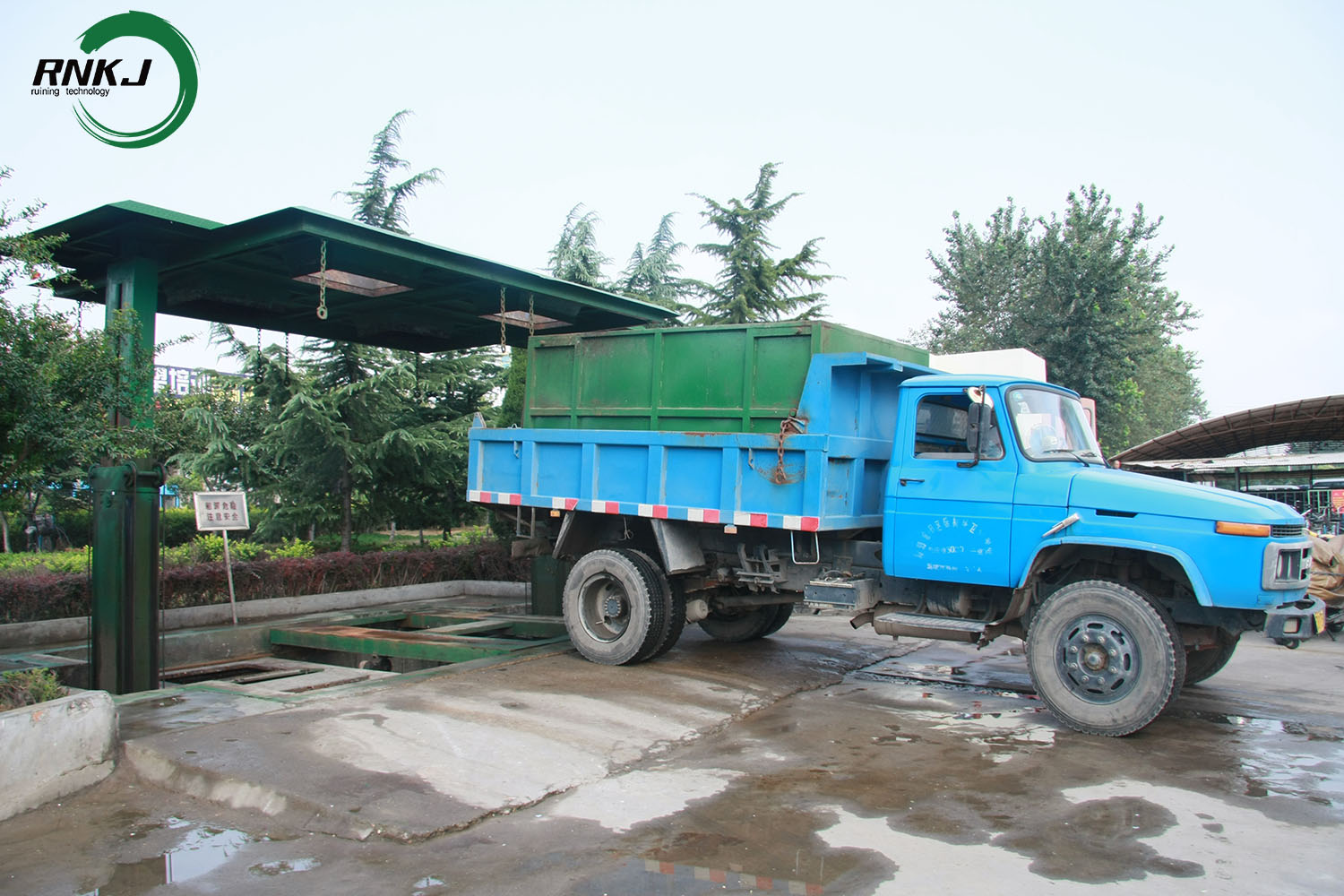


Double Box Underground Garbage Station is an efficient and environmentally friendly sanitation equipment. Its core function is to compress and reduce the volume of garbage, and then transfer it to the processing terminal through reusable boxes.
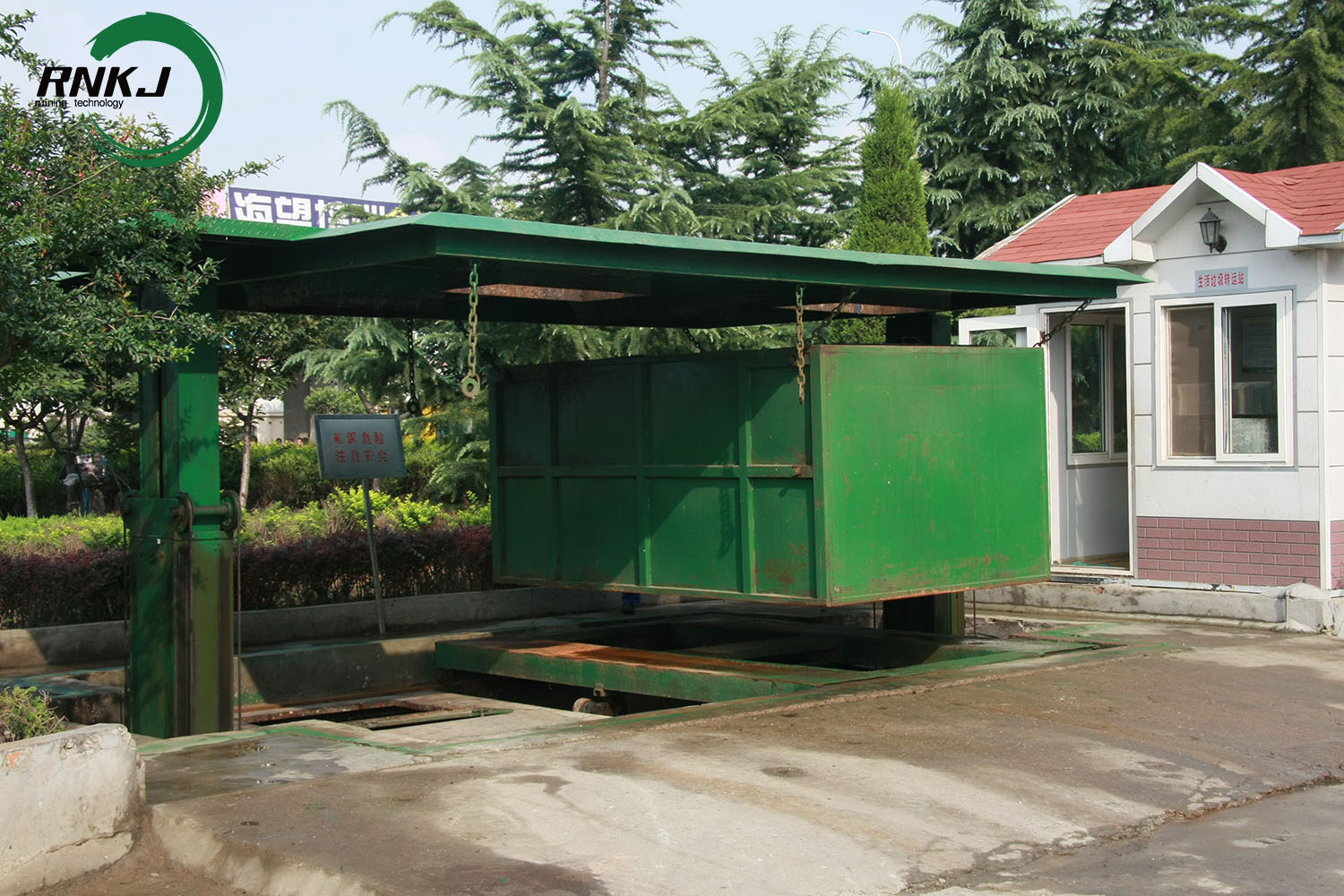
 Product Advantages
Efficient continuous operation: The two containers are used alternately, and garbage can be continuously received without waiting for the transport vehicle to return.
Environmentally friendly and pollution-free: The entire process of compression, storage and transportation is carried out in a sealed manner, with no garbage exposed, no sewage leakage, and no odor emission.
Save space: The underground design does not occupy any floor area, making it suitable for scenarios such as tight-sited residential areas, industrial parks, and towns.
Reduce costs: Large-capacity containers reduce the number of transportation trips, while automated operations reduce the need for human labor.
Product Core structure
1.Double-box + Underground Design
Equipped with 2 independent garbage compression boxes, which can be used alternately (one is full, then the other continues to receive garbage), this design enhances the transfer efficiency.
The box is usually hidden underground, with only the operation platform / discharge opening exposed above ground. This way, it does not occupy any floor space and also prevents the garbage from being exposed.
2. Lifting + Rotating Mechanism
After the box is filled, it is lifted from the ground to the surface by the hydraulic lifting system and then connected to the transport vehicle ;
The box can be directly fixed on the transport vehicle for transfer to the waste treatment site. When the empty box returns, it is lowered back to the underground for continued use.
Technical Parameters
Power | 5.5KW(Voltage 380V) |
Rotate speed | 1450r/min |
Theoretical displacement | 11.1ml/r |
Rated pressure | 20.6MPa |
Effective volume of the box | 8m³×2 |
Maximum lifting height | 3.3m |
Maximum lifting weight | 6000kg |
Dimensions of the pit (length × width × height) | 90-110s |
Overall machine weight | 6780×3700×2454(mm) |
Number of operators | 4500kg |
Production Technology
Laser cutting
Which is highly accurate and fast compared to traditional cutting processes,and can precisely cut all types of metals.
Laser rust removal
Which is an efficient, energy saving and environmental protection way. It can remove the oil, oxide, rust, etc. on the surface of the object, and will not cause damage to the substrate.

Laser welding
Which is fast, deep, small deformation, better toughness of the weld, and we will detect the equipment after welding.
Paint thickness
We spray one epoxy primer with a thickness of 20-25μm, two coats with a thickness of not less than 75μm, and varnish, if you have other requirements, you can customize the program.
Work Process
Waste Disposal and Compression
Multiple feeding ports are designed. The collection vehicle pours the garbage into the station's hopper, and the equipment automatically sends the garbage into the box. This process is repeated until the box is full.
Box transfer operation
The fully loaded containers were lifted to the ground, docked with the transport vehicle and fixed in place, and then transported away by the vehicle; at the same time, another empty container was moved to the work station to continue receiving garbage.
Repetitive work/task
After the empty boxes are returned, they are lowered to the ground through the lifting mechanism and then enter the next round of collection and compression process.
What are the application scenarios of the Double Box Underground Garbage Station?
Double Box Underground Garbage Station is suitable for scenarios where space is limited, environmental requirements are high, and the amount of garbage generated is relatively concentrated.
1. High-density residential areas
These areas have a dense population and limited ground space. They also have high requirements for the cleanliness and odor-free environment of the living space. The underground design can hide the containers and does not occupy the greenery or activity space of the community; the alternate operation of the two containers can cope with the garbage disposal volume during the morning and evening rush hours, avoiding garbage accumulation.
2. Commercial complexes / office parks
Places such as shopping malls, office buildings, and industrial parks have a large flow of people, and the production of catering waste and office waste is stable and concentrated. The characteristics of continuous operation of the two containers can meet the all-day garbage collection needs of commercial areas; at the same time, the underground layout does not affect the appearance of the business district and the passage of pedestrians.
3. Tourist attractions / cultural and historical venues
Tourist attractions, parks, museums, etc. have extremely high requirements for the coordination of the landscape. Ground garbage stations would damage the natural or cultural landscape. The underground design can achieve a visual effect of "no equipment on the ground"; the sealed structure can prevent garbage from being exposed and affecting the tourist experience, and also prevent animals from rummaging through the garbage; the double-container design can cope with the peak garbage volume caused by the increase in tourists during holidays.
4. Town and village town center areas
The garbage collection points in towns are usually scattered and the site planning is relatively flexible. At the same time, they are sensitive to operating costs. This equipment has a small占地面积 and can be adapted to the small open spaces on the streets of towns; the alternate operation of the two containers reduces the reliance on transportation vehicles and is suitable for the longer transportation radius of towns; the sealed design can also prevent garbage from polluting farmland and water sources.
5. Public institutions such as schools / hospitals
The garbage types in schools and hospitals are complex (including medical waste, kitchen waste, etc., which can be adapted to the double-container classification when needed), and strict hygiene and epidemic prevention requirements are imposed. The underground sealed structure can reduce the risk of pathogen transmission, and the double-container can separately handle different types of garbage, meeting the hygiene standards of public institutions.
6. Transportation hubs
High-speed railway stations, bus stations, airports, etc. have a large amount of garbage production and concentrated production periods. The alternate operation of the two containers can ensure that garbage is "cleaned up immediately after production", avoiding accumulation; the underground layout does not occupy core spaces such as waiting areas and parking lots, and at the same time, the sealing property can prevent the spread of odors, maintaining the cleanliness of transportation hubs.
How is the dual-box alternate operation of the Double Box Underground Garbage Station actually achieved?
1.Underground workstation layout and initial state
Two independent and parallel functional workstations are planned in the underground pre-buried pit:
Garbage receiving position: Facing the ground garbage disposal outlet / feed hopper, this is the core workstation for the box to receive garbage;
Transfer standby position: Close to the ground vehicle docking area, this is a preparatory workstation for the box to lift and transfer.
Two garbage boxes of the same specification are initially pushed by the hydraulic shifting mechanism to the garbage receiving position by the hydraulic shifting mechanism, and precisely aligned with the feed hopper; Box B stops at the transfer standby position and is in an empty-load standby state.
2.Box A receives the garbage, while Box B is on standby
Garbage is discharged through the discharge port into box A which is in the receiving position. The control system continuously monitors the volume of garbage in the box using the level sensor. During this stage, box B remains in the transfer standby position and is stationary, not participating in the operation, and waits for the workstation switching command.
3. Box Full Detection and Workstation Switching
When the volume of garbage in box A reaches the preset full load threshold, the sensor sends a "full box" signal to the control system, triggering the workstation switching program:
The hydraulic shifting mechanism is activated, moving the full box A from the garbage receiving position along the underground preset track smoothly and steadily to the standby position for transfer;
At the same time, the empty box B in the standby position is simultaneously moved to the garbage receiving position and aligned with the feed hopper.
The entire switching process does not interrupt the garbage disposal, ensuring that the collection process does not pause.
4. Full box A is transferred for recycling, while empty box B continuously receives garbage
Box A transfer: The fully loaded box A, positioned in the standby position for transfer, is vertically lifted to the ground by the hydraulic lifting system, locked and connected with the telescopic transport vehicle parked in the designated area, and then transported to the garbage disposal site by the vehicle;
Box B operation: Meanwhile, the already positioned empty box B continues to receive garbage at the garbage receiving position, completely replacing the function of box A, avoiding garbage accumulation.
5. Empty box return and cycle alternation
After the empty box A is returned to the equipment site by the transport vehicle, the lifting system lowers it to the standby position and locks it; when box B reaches the full load threshold, the above "shift switching - lifting transfer" process is repeated, and the two boxes alternate between the "receiving position - standby position" to achieve continuous operation.
We are a professional manufacturer of sanitation machinery, providing customers with ex-factory prices and on-demand customization services. You can contact us via WhatsApp or email.


