


| Quantity: | |
|---|---|
 Product Overview
The Automatic Feeding High-Pressure Hopper Waste Compactor is an industrial waste compression machine designed for municipal sanitation projects, centralized waste collection facilities, commercial waste stations, and other locations that handle large volumes of solid waste.
The equipment combines a large-capacity feeding hopper, a hydraulic compression mechanism, and a waste collection chamber into an integrated waste handling system. Waste is loaded into the hopper and transferred into the compression chamber, where a high-pressure hydraulic ram pushes the material forward and compresses it into a denser mass.
Unlike conventional waste containers that only provide temporary storage, a Hydraulic Hopper Waste Compactor actively reduces the volume of collected waste before it is transported. This allows more waste to be stored within the available container space and helps establish a more organized collection and transfer process.
The automatic feeding configuration is designed to reduce the need for repeated manual loading. Depending on the project configuration, the equipment can be integrated with suitable feeding devices, lifting mechanisms, or mechanical loading systems to receive waste from collection bins and other feeding equipment.
With customizable hopper dimensions, compression force, chamber structure, and collection capacity, this Industrial Hopper Waste Compactor can be configured according to different municipal sanitation requirements.
Automatic Feeding Hopper StructureThe feeding hopper is one of the main structural components of the hopper waste compactor. It provides a receiving area for incoming waste and guides the material toward the compression chamber.
The hopper can be designed with different opening dimensions, depths, and feeding configurations according to the type and volume of waste being handled.
Large Feeding Opening: A wide hopper opening accommodates different types of municipal solid waste and allows waste to enter the equipment more conveniently.
Heavy-Duty Steel Construction: The hopper is manufactured using durable steel plates to withstand repeated loading operations and the impact of incoming waste.
Guided Feeding Design: The hopper structure directs waste toward the compression area and helps reduce material accumulation around the feeding opening.
Automatic Feeding Compatibility: The feeding section can be configured to work with compatible mechanical loading or lifting equipment.
Customizable Hopper Dimensions: Hopper width, depth, height, and opening size can be adjusted according to installation conditions and waste collection requirements.
The automatic feeding function can be configured according to the actual loading method. For example, a project may use a mechanical bin lifting device to discharge waste into the hopper, or other suitable feeding equipment to deliver collected materials.
This configuration makes the Automatic Feeding Hopper Waste Compactor suitable for municipal waste transfer stations and centralized collection points where waste arrives from multiple collection routes.
High-Pressure Hydraulic Compression SystemThe hydraulic compression system is the core working mechanism of the machine. It generates the pushing force required to compress loose waste inside the compression chamber.
The system generally consists of hydraulic cylinders, a hydraulic power unit, control valves, pipelines, and a compression plate.
When waste enters the compression chamber, the hydraulic cylinders drive the compression plate forward. The plate applies pressure to the waste, reducing the gaps between materials and forming a more compact waste mass.
High-Pressure Hydraulic Cylinders
The hydraulic cylinders provide the force required for waste compression. Cylinder specifications can be selected according to the required compression force, chamber dimensions, and waste characteristics.
Hydraulic Power Unit
The hydraulic power unit supplies pressurized hydraulic oil to operate the cylinders. It can be configured with suitable motor power, pump capacity, and hydraulic components according to the equipment's working requirements.
Compression Plate
The compression plate directly contacts the waste during the compression process. Its dimensions, structural strength, and movement range are designed to match the compression chamber.
Hydraulic Control System
The control system manages the operating sequence of the hydraulic components, including feeding coordination and compression movements. Automatic, semi-automatic, or manual control configurations can be evaluated according to project requirements.
For municipal sanitation applications, the hydraulic system should be selected based on the expected daily waste volume, waste composition, operating frequency, and required compression performance.
Compression Chamber and Waste Collection StructureThe compression chamber provides the enclosed working space where waste is compressed and collected.
Its internal dimensions and structural configuration directly affect the amount of waste that can be processed during each operating cycle.
The chamber is manufactured with heavy-duty steel construction to withstand repeated compression loads. Reinforced structural sections can be incorporated into areas exposed to higher mechanical stress.
Reinforced Steel Structure: Designed to withstand the mechanical pressure generated during repeated compression operations.
Enclosed Compression Space: Helps contain waste during the compression process and supports a more organized waste handling environment.
Customized Chamber Dimensions: Internal width, height, and length can be adjusted to match the required equipment capacity.
Waste Storage Configuration: The collection section provides space for storing compressed waste before unloading or transportation.
Maintenance Access: Suitable inspection and maintenance access points can be incorporated into the equipment design.
For projects handling wet or mixed municipal waste, additional drainage and liquid collection arrangements can also be considered where required.
How Does the Automatic Feeding Hopper Waste Compactor Work?The Automatic Feeding High-Pressure Hopper Waste Compactor operates through a coordinated feeding and hydraulic compression process. The entire working procedure can be divided into several stages.
Municipal solid waste is collected from residential communities, public areas, commercial facilities, and other waste-generating locations.
The collected waste is transported to the compactor and discharged into the large-capacity feeding hopper. Depending on the project configuration, loading can be completed using collection vehicles, lifting devices, or compatible mechanical feeding equipment.
After waste enters the hopper, the feeding mechanism transfers the material toward the compression chamber.
The automatic feeding system can be coordinated with the hydraulic compression unit to control the feeding sequence and reduce the need for repeated manual handling.
Once the waste reaches the compression area, the hydraulic system activates the compression cylinder.
The hydraulic ram pushes the waste forward, applying high pressure to squeeze loose materials together. This reduces the gaps between waste materials and increases the density of the collected waste.
After completing the compression stroke, the hydraulic ram returns to its original position.
The equipment prepares for the next feeding and compression cycle, allowing additional waste to enter the compression chamber.
The compressed waste is transferred into the designated collection container or storage section.
The equipment continues receiving and compressing waste until the designed storage capacity or loading limit is reached.
When the collection container is full, the waste is transferred to a designated transportation vehicle or removed through the configured unloading system.
Designed for Municipal Sanitation ProjectsThe Automatic Feeding High-Pressure Hopper Waste Compactor is suitable for different waste collection and transfer environments. Its feeding structure and compression configuration can be selected according to the waste generation volume and operating conditions of each project.
Municipal waste transfer stations receive waste collected from different neighborhoods and collection routes. The hopper compactor provides a centralized receiving and compression point, allowing loose waste to be compacted before being transported to a larger treatment facility.
Residential communities generate household waste every day. Installing a hopper waste compaction system at a centralized collection location helps organize waste reception and temporary storage while reducing the space occupied by loose waste.
Shopping malls, supermarkets, and commercial buildings produce packaging waste, cardboard, plastic waste, and general refuse. A hydraulic hopper waste compactor can receive these materials and compress suitable waste before collection and transportation.
Industrial parks and manufacturing facilities often generate considerable amounts of packaging materials, production-related waste, and general industrial refuse. The equipment can be configured to handle suitable compressible materials according to their physical characteristics.
Airports, exhibition centers, transportation hubs, and other public facilities may require centralized waste collection systems. A large-capacity hopper provides a designated receiving area for waste generated across different operational zones.
Customization Options for Different Municipal ProjectsEvery municipal sanitation project has different waste generation volumes, site dimensions, collection methods, and transportation arrangements.
Therefore, the Custom Hopper Waste Compactor can be configured according to the actual operating requirements rather than using one standard design for every application.
Customization item | Available configuration |
|---|---|
Hopper dimensions | Customized width, depth and height |
Feeding method | Manual, mechanical or automatic feeding |
Compression system | Hydraulic cylinder and compression force configuration |
Compression chamber | Customized dimensions and structural design |
Storage capacity | Selected according to daily waste volume |
Control system | Manual, semi-automatic or PLC automatic control |
Container structure | Fixed, detachable or compatible transfer configuration |
Environmental features | Drainage, liquid collection and deodorization options |
The hopper size should be selected according to the amount of waste received per loading cycle, the feeding equipment, and the available installation space.
Different waste materials have different compression characteristics. Hydraulic cylinder specifications and working pressure can be selected according to the expected material composition and required compaction performance.
The feeding system can be designed to work with compatible lifting devices, waste bins, collection vehicles, or other mechanical loading equipment. The specific configuration should be confirmed according to the customer's existing collection system.
The collection container can be designed according to the required storage volume and transportation method. For projects requiring frequent waste removal, container replacement or hook lift truck compatibility can also be evaluated.
An optional PLC-based control system can coordinate feeding and compression operations. Sensors and control components can be selected according to the required automation level and safety configuration.
Key Advantages of the Hydraulic Hopper Waste CompactorThe High-Pressure Hopper Waste Compactor integrates waste receiving, feeding, compression, and storage into one coordinated system.
Its main advantages include:
Large-Capacity Hopper: Provides a spacious receiving area for loose municipal and commercial waste.
Automatic Feeding Design: Can be integrated with suitable mechanical loading equipment to reduce manual material handling.
High-Pressure Hydraulic Compression: Uses hydraulic cylinders to generate the force required for waste compaction.
Heavy-Duty Construction: Reinforced steel structures are designed for repeated loading and compression operations.
Flexible Equipment Configuration: Hopper dimensions, chamber structures, hydraulic components, and container capacities can be customized.
Integrated Waste Handling: Combines several waste processing stages within one equipment system.
Adaptable Transportation Solutions: Collection and unloading arrangements can be matched to the project's transportation requirements.
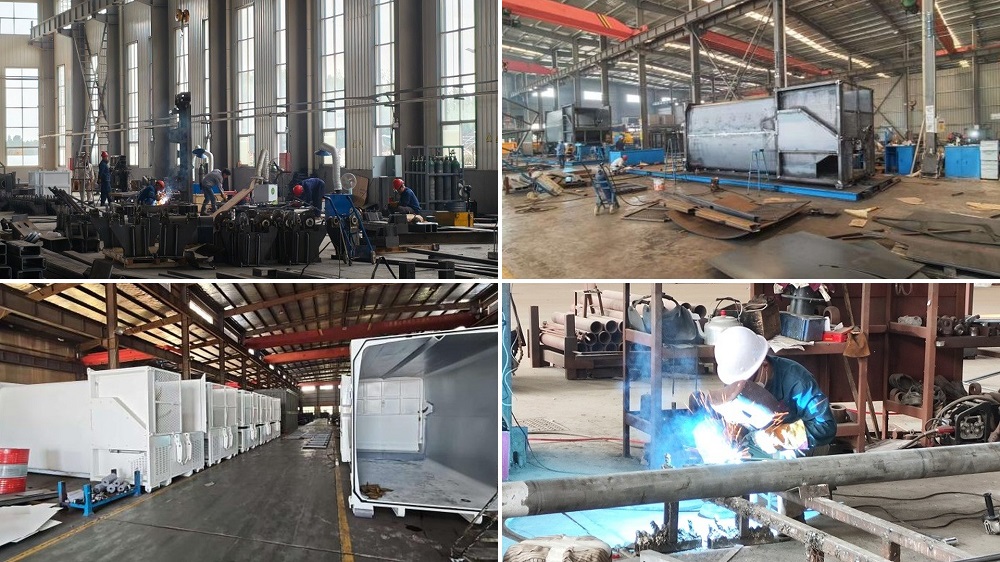
Why Choose Our Automatic Feeding Hopper Waste Compactor?Shandong RNKJ Environmental Technology Co., Ltd. specializes in waste collection, compression, and transfer equipment manufacturing.
As a manufacturer of hydraulic waste compactors, we provide equipment configurations for municipal sanitation projects, industrial waste collection facilities, commercial waste management, and centralized waste transfer applications.
Our Automatic Feeding High-Pressure Hopper Waste Compactor can be customized according to the customer's project requirements, including:
Customized hopper dimensions and feeding openings.
Hydraulic compression force and power configurations.
Different waste collection and storage capacities.
Automatic feeding and PLC control options.
Customized steel structures and equipment layouts.
Project-based equipment configuration and technical support.
Whether you are planning a municipal waste transfer station, upgrading an existing garbage collection facility, or purchasing industrial waste compaction equipment, our team can help evaluate a suitable hopper compaction solution.
FAQAn Automatic Feeding Hopper Waste Compactor is a hydraulic waste compression machine equipped with a feeding hopper and an automatic or mechanically assisted feeding system. It receives loose waste through the hopper, transfers the material into the compression chamber, and compresses it using a hydraulic ram.
It can be configured to process suitable municipal solid waste, household garbage, cardboard, packaging materials, plastic waste, and general industrial refuse. Actual compatibility depends on material size, moisture content, density, and the machine's feeding and compression configuration.
Yes. Hopper width, depth, height, feeding opening, and loading arrangements can be customized according to the project site and waste collection equipment. Mechanical lifting and automatic feeding configurations can also be evaluated.
The hydraulic pump supplies pressurized oil to the hydraulic cylinders. The cylinders drive the compression ram forward, pushing loose waste into the compression chamber and reducing its volume. The ram then retracts to prepare for the next compression cycle.
Yes. The equipment is suitable for municipal waste transfer stations, community collection points, commercial waste facilities, and other centralized waste collection locations where loose waste needs to be received, compacted, and stored before transportation.
Yes. The hopper dimensions, compression chamber, hydraulic system, storage container, and feeding configuration can be adjusted according to daily waste generation, material characteristics, installation conditions, and transportation requirements.
Yes. A PLC control system and suitable sensors can be incorporated to coordinate the feeding and compression processes. The actual automation level depends on the selected configuration and project requirements.
Request a Customized Hopper Waste Compactor SolutionLooking for a reliable Automatic Feeding High-Pressure Hopper Waste Compactor for Municipal Sanitation Projects?
Shandong RNKJ Environmental Technology Co., Ltd. provides customized hydraulic hopper waste compaction equipment for municipal, commercial, and industrial waste management applications.
We can help you select the appropriate hopper dimensions, hydraulic compression system, feeding mechanism, storage capacity, and automatic control configuration according to your actual project requirements.
Contact us today to discuss your waste compaction project and request a customized quotation!
Send us your daily waste volume, waste type, installation dimensions, and preferred feeding method. Our technical team can evaluate a suitable Hydraulic Hopper Waste Compactor Solution for your application.
We are a professional manufacturer of sanitation machinery, providing customers with ex-factory prices and on-demand customization services. You can contact us via WhatsApp or email.


