Views: 0 Author: Site Editor Publish Time: 2025-06-11 Origin: Site


As urban populations continue to grow and waste generation increases, municipalities and waste management companies face significant challenges in collecting, transporting, and processing solid waste efficiently. A Garbage Compression Station has become one of the most important facilities in modern waste management systems, helping cities reduce transportation costs, improve operational efficiency, and maintain cleaner environments.
Whether used in residential communities, commercial districts, industrial parks, tourist attractions, or municipal waste transfer centers, a Garbage Compression Station plays a critical role in handling large volumes of waste quickly and effectively.
In this article, we will explore the main functions, applications, and benefits of garbage compression stations and explain why they are becoming essential infrastructure for sustainable waste management.
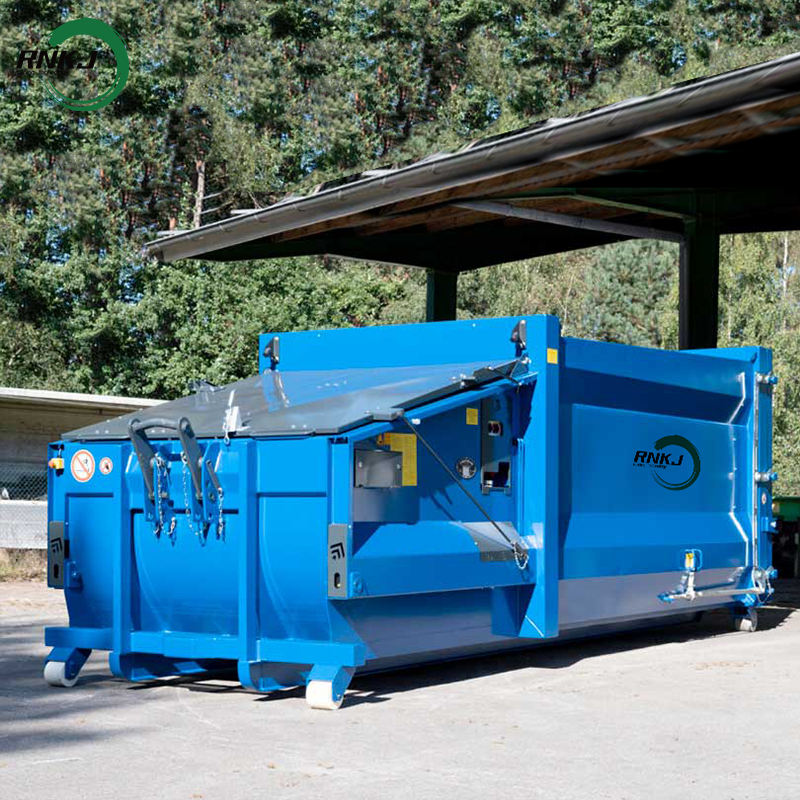
A Garbage Compression Station is a waste handling facility equipped with hydraulic compression systems that compact municipal solid waste into a smaller volume before transportation.
The station collects waste from nearby garbage collection points and compresses it into sealed containers or transfer units. Once filled, the compressed waste is transported to landfills, incineration plants, recycling centers, or waste treatment facilities.
Compared with traditional waste collection methods, garbage compression stations significantly reduce the volume of waste, allowing more waste to be transported in a single trip.
The primary function of a Garbage Compression Station is to compress waste and reduce its volume.
Using powerful hydraulic systems, the station can achieve compression ratios of up to 3:1, 4:1, or even higher depending on the waste type.
Benefits include:
Increased container capacity
Reduced waste storage space requirements
Lower transportation frequency
Improved collection efficiency
By reducing waste volume, municipalities can optimize their entire waste collection network.
Transportation is one of the largest expenses in municipal waste management.
A Waste Compression Station allows collection vehicles to unload waste locally, while larger transfer trucks transport compressed waste over longer distances.
Advantages include:
Fewer transportation trips
Reduced fuel consumption
Lower labor costs
Improved fleet utilization
Reduced traffic congestion
This makes garbage compression stations especially valuable in large cities and densely populated regions.
One of the most significant economic benefits of a Garbage Compactor Station is cost reduction.
By increasing waste density, operators can transport more waste per load.
Cost savings include:
Transportation expenses
Vehicle maintenance costs
Driver labor costs
Fuel consumption
Equipment operating costs
Many municipalities recover their investment in a garbage compression station within a few years through operational savings.
Traditional open waste collection often causes environmental problems such as odors, litter, and wastewater leakage.
Modern Garbage Compression Stations are designed with sealed structures that help:
Control unpleasant odors
Prevent wastewater leakage
Reduce airborne waste
Minimize pest infestations
Lower environmental pollution
Some advanced stations also include deodorization and wastewater treatment systems for enhanced environmental performance.
Maintaining a clean urban environment is a priority for city governments.
Garbage compression stations contribute by:
Reducing waste accumulation
Preventing overflow of collection bins
Improving public hygiene
Supporting cleaner streets and communities
This is particularly important in residential neighborhoods, commercial centers, and tourist destinations where sanitation directly impacts quality of life.
Modern Intelligent Garbage Compression Stations incorporate advanced technologies such as:
IoT monitoring systems
Remote control platforms
Real-time fill-level monitoring
Automatic fault diagnosis
Data-driven operation management
These smart features allow operators to optimize waste collection schedules and improve overall system efficiency.
Large residential areas generate substantial amounts of household waste every day.
A Community Garbage Compression Station helps:
Centralize waste collection
Reduce waste transportation frequency
Maintain clean living environments
Municipal governments widely use Municipal Waste Compression Stations as part of city-wide waste management networks.
These facilities serve as transfer points where waste is:
Collected from multiple neighborhoods
Compressed into containers
Transported to final treatment facilities
This improves overall logistics efficiency.
Shopping centers, office buildings, markets, and entertainment venues produce large volumes of waste daily.
Garbage compression stations help commercial operators:
Save storage space
Improve waste handling efficiency
Reduce collection disruptions
Industrial zones often generate packaging materials, non-hazardous industrial waste, and commercial refuse.
A Heavy-Duty Garbage Compression Station can handle large waste volumes while reducing transportation costs.
Parks, scenic areas, and tourist destinations experience seasonal fluctuations in waste generation.
Garbage compression stations provide:
High-capacity waste handling
Cleaner public spaces
Reduced odor issues
Improved visitor experience
Transportation hubs generate waste around the clock.
A garbage compression station enables:
Continuous waste collection
Efficient waste storage
Reduced operational costs
Better sanitation management
Suitable for:
Municipal waste transfer centers
Large-scale waste handling operations
High-volume waste collection
Features:
Large capacity
High compression force
Efficient loading and unloading
Suitable for:
Small communities
Commercial facilities
Limited installation spaces
Features:
Compact footprint
Lower investment cost
Easy operation
Increasingly popular in urban areas.
Benefits include:
Space-saving design
Improved aesthetics
Better odor control
Reduced visual pollution
Designed for flexible deployment.
Applications include:
Construction sites
Temporary events
Remote locations
Emergency waste collection operations
| Benefit | Impact |
|---|---|
| Waste Volume Reduction | Up to 70%-80% reduction |
| Lower Transportation Costs | Fewer collection trips |
| Improved Environmental Protection | Reduced odor and leakage |
| Better Urban Cleanliness | Cleaner communities |
| Increased Operational Efficiency | Faster waste handling |
| Reduced Carbon Emissions | Less fuel consumption |
| Smart Management Capability | Real-time monitoring |
With increasing urbanization and stricter environmental regulations, cities worldwide are investing in modern Garbage Compression Station solutions.
Key drivers include:
Rising waste generation
Higher transportation costs
Environmental protection requirements
Smart city initiatives
Sustainability goals
As a result, garbage compression stations are becoming a core component of modern municipal waste management infrastructure.
A Garbage Compression Station is far more than a waste collection facility. It serves as a critical link between waste generation and final disposal, helping municipalities, businesses, and industrial operators improve efficiency while reducing costs and environmental impact.
By compressing waste, reducing transportation frequency, controlling odors, and supporting smart waste management systems, garbage compression stations provide an effective and sustainable solution for modern solid waste handling challenges.
For cities and organizations seeking to improve waste collection efficiency and achieve long-term operational savings, investing in a high-quality Garbage Compression Station is a practical and future-oriented choice.