
Views: 0 Author: Site Editor Publish Time: 2026-11-12 Origin: Site


Are overflowing bins ruining your luxury resort's carefully curated vibe? Guest experience and operational aesthetics are deeply intertwined in the high-end hospitality sector. Traditional waste disposal methods introduce severe hidden costs. Lingering odors and persistent pest issues severely harm guest satisfaction scores. They also drain property maintenance budgets. This comprehensive guide explores how transitioning to subterranean systems modernizes your property infrastructure. You can effectively turn a logistical headache into an eco-friendly asset.
Maximizing Usable Space: Subterranean systems remove bulky surface dumpsters. Properties reclaim valuable square footage for profitable guest amenities, landscaping, or parking.
Reducing Collection Frequency: Advanced compaction technology minimizes the need for daily trash pickups. This directly lowers operational labor and associated hauling costs.
Improving Environmental Hygiene: Sealed underground units prevent pest access. They eliminate foul odors and support superior sanitation standards across the entire property.
Achieving Long-Term ROI: Initial excavation requires capital. However, the significant reduction in maintenance and collection fees provides steady financial returns over the equipment lifecycle.
Imagine a guest lounging by your infinity pool. Suddenly, a warm breeze carries the distinct smell of decomposing organic matter. It originates from a nearby dumpster corral. Pristine surroundings are non-negotiable in the luxury hospitality sector. Traditional surface-level bins frequently disrupt this meticulously maintained atmosphere. When standard receptacles overflow, they create immediate visual pollution. This triggers negative hotel reviews and damages brand reputation. Modern travelers expect aesthetically pleasing environments. Visible trash acts as a massive detractor from the luxury experience.
Consequently, facility managers constantly battle common pain points associated with standard commercial bins. Exposed garbage generates unpleasant odors rapidly. This is especially true in warm, humid, or tropical resort climates where organic matter decomposes within hours. Furthermore, open bins act as magnets for local wildlife. Coastal resorts struggle with aggressive seagulls. Terrestrial properties battle rodents and insects. This reality requires continuous pest control interventions. Those expensive treatments merely address the symptom rather than fixing the root cause.
Beyond aesthetics and hygiene, traditional methods introduce severe operational bottlenecks. Housekeeping staff spend excessive hours manually transporting trash from guest floors to centralized surface bins. These plastic containers reach capacity quickly. Properties are then forced to schedule frequent municipal collection services. High-frequency manual waste removal drives up internal labor expenses. It also increases the carbon footprint associated with heavy collection trucks. These trucks constantly navigate internal property roads, causing noise pollution and premature pavement wear.
Global hospitality is currently experiencing a massive shift toward invisible, zero-impact operations. Recent industry analyses reveal a striking trend in eco-tourism. Modern travelers actively seek out accommodations with transparent, high-tech sustainability practices. Market reports indicate that properties utilizing low-emission waste technologies see a measurable boost in brand loyalty. Municipal regulations around the globe are also tightening waste sorting mandates. Subterranean solutions are rapidly shifting from optional luxury upgrades to essential compliance infrastructure. Staying ahead of these ESG targets requires facility directors to rethink how refuse is handled at the source.
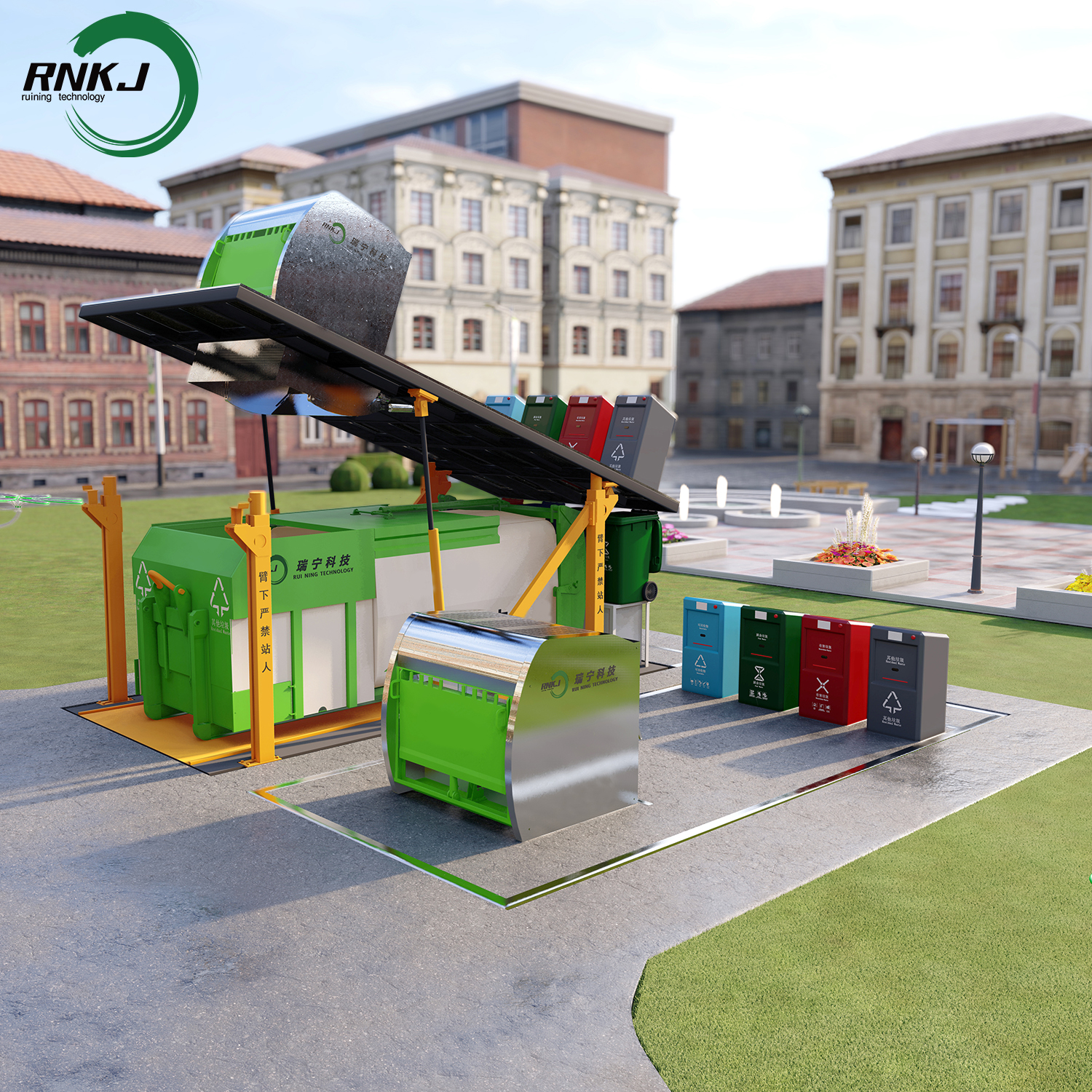
Modernizing facility infrastructure requires a clear grasp of subterranean engineering. An Underground Waste Storage System is specifically engineered to house the vast majority of refuse below ground level. Only a compact, ergonomically designed deposit pillar remains visible to users. This fundamental shift in architectural design addresses the core vulnerabilities of traditional storage.
From an engineering perspective, these setups consist of three main components. First is a durable subterranean casing made of hot-dip galvanized steel or high-density polyethylene. Second is a large-capacity internal collection drum, typically ranging from 3 to 5 cubic meters. Third is the visible loading point above ground. Guests drop trash into the pillar, and materials fall directly into the cool, sealed container positioned below the surface. The subterranean environment naturally regulates temperature. This cooling effect significantly slows down bacterial growth and the resulting odor generation.
The automated extraction process is highly streamlined. When the internal container reaches maximum capacity, specialized collection vehicles arrive. They use integrated hydraulic cranes to hook onto the pillar. The crane lifts the entire inner container out of the ground. It empties the contents into the truck via a bottom-release mechanism. The container is gently returned to the subterranean casing in a matter of minutes. Manual handling is virtually eliminated.
Transitioning to this hidden infrastructure offers measurable advantages for property management. By burying bulky storage containers, resorts instantly reclaim highly coveted square footage. Facility planners can transform a former dumpster corral into a profitable outdoor dining patio. That same space can become an expanded garden landscape or additional premium parking.
Aesthetic integration serves as another critical factor for high-end properties. A Landscape Underground Waste Compactor is designed to blend seamlessly into the surrounding environment. The visible deposit pillars can be customized with various exterior finishes. Options include natural wood cladding, brushed stainless steel, or stone textures to match the unique architectural style. This camouflages industrial disposal points beneath the scenery.
Hygiene and safety standards experience dramatic improvements following installation. The primary storage area is sealed underground, eliminating public and animal access. Strict containment drastically reduces cross-contamination risks and keeps pedestrian areas spotless. Many units feature double-drum deposit mechanisms. These safety barriers prevent users from reaching into the storage pit.
Smart compaction technology provides immense operational relief. High-tech units actively compress materials with a compaction ratio often reaching 4:1 or 5:1. This maximizes internal volume. Properties store significantly more waste in the exact same physical footprint. Fewer heavy collection trucks enter the property. Noise pollution drops, and wear on internal roads decreases substantially.
Adopting a rigid standard approach frequently leads to operational bottlenecks. Resort properties vary wildly in architectural layouts, peak guest capacities, and topographical conditions. Facility planners must evaluate specific environmental and logistical requirements before implementing a new framework. Customization ensures the infrastructure meets current demands and provides scalability for future expansions.
The primary factor to consider is the anticipated refuse volume generated during peak tourist seasons. A secluded boutique eco-lodge has vastly different capacity requirements compared to a sprawling coastal mega-resort. By investing in Custom Underground Waste Collection Equipment, property developers tailor the volumetric capacity of the subterranean containers. This precise calibration prevents the system from being financially underutilized or operationally overwhelmed.
Spatial constraints also dictate system design. Resort landscapes feature intricate gardens, winding pathways, and strategically placed amenities. Planners assess the available footprint to ensure installation does not disrupt aesthetic elements. The installation site must allow adequate turning radii. Vertical clearance for hydraulic lifting mechanisms used by municipal trucks is mandatory.
Local municipal regulations regarding waste sorting must be integrated into the design. Multi-fraction systems separate organic waste, recyclables, and residual garbage directly at the source. Customizing inlet sizes, color-coding, and instructional labeling encourages proper sorting by both staff and international guests.
Implementing an Underground Garbage Collection System directly supports evolving sustainability targets. It fundamentally alters how refuse is processed on-site. Traditional management involves highly visible, labor-intensive processes. Those generate secondary environmental impacts, including localized emissions from frequent truck pickups and potential leachate runoff into surrounding soil.
Integration with smart monitoring technology acts as a transformative step for efficiency. Ultrasonic fill-level sensors are installed within the subterranean containers. They transmit real-time data to facility management dashboards. Resorts transition to dynamic routing instead of relying on static collection schedules. Trucks are dispatched only when containers reach a specific capacity threshold. Empirical data indicates this data-driven approach reduces collection truck traffic by up to 50 percent. This directly lowers carbon emissions associated with supply chain operations.
From a sustainability perspective, an optimized setup significantly improves waste diversion rates. Guests and housekeeping staff receive clearly labeled, accessible, and hygienic disposal inlets. Cross-contamination between waste streams naturally decreases. High-purity recycling streams are easier to process. They yield much better environmental outcomes and generate accurate data for corporate ESG reporting.
The long-term success and structural reliability of a subterranean project depend heavily on engineering expertise. Facility managers must conduct rigorous due diligence when selecting a Waste Management Equipment Supplier. These systems are installed below ground and exposed to varying soil conditions, moisture levels, and mechanical stress. Substandard materials lead to premature structural failures and costly excavation repairs.
Durability and material quality serve as primary evaluation criteria. We specify high-grade materials like hot-dip galvanized steel or high-density polyethylene for the subterranean housing. For resorts located in tropical or coastal environments, the visible above-ground components must feature marine-grade 316L stainless steel. This resists salt corrosion and high humidity. A reputable supplier readily provides detailed engineering specifications and material certifications.
Post-installation support and maintenance protocols are critical differentiators. These systems require less daily maintenance than traditional bins. However, hydraulic lifting mechanisms and safety platforms necessitate periodic professional inspections. Planners should partner with suppliers offering comprehensive service level agreements. This includes routine safety audits, replacement part availability, and technical troubleshooting.
Compliance with international health and safety standards is non-negotiable. The equipment must feature robust safety mechanisms. Automatic safety floors that rise to cover the open pit when the main container is lifted are mandatory. Choosing an experienced manufacturer mitigates liability risks and ensures the infrastructure protects employees and guests.
Initial capital expenditure for excavating and installing subterranean units exceeds the cost of standard plastic bins. Decision-makers must evaluate this through the lens of Total Cost of Ownership. When analyzing long-term operational expenditures over a 10- to 15-year lifecycle, the return on investment for luxury properties becomes highly compelling.
The most immediate financial return stems from labor optimization. Janitorial staff spend a significant portion of their shifts manually transporting small waste loads. Underground systems can be strategically distributed throughout the property to drastically reduce transit time. Systems equipped with compaction technology increase storage capacity per square meter. This leads to direct, recurring savings on hauling fees.
Standard dumpsters incur hidden costs related to pest control, odor management, and frequent pressure washing. The sealed, cool environment of an underground system naturally suppresses bacterial growth. It virtually eliminates the need for aggressive chemical deodorizers and reduces pest control interventions.
| Operational Metric | Traditional Waste Dumpsters | Landscape Underground Solutions |
|---|---|---|
| Space Utilization | Consumes valuable surface area; creates visual clutter and blocks parking. | Minimal surface footprint; reclaims space for profitable resort amenities. |
| Collection Frequency | High (often requires daily or bi-weekly pickups due to low capacity). | Low (extended intervals due to high-density compaction technology). |
| Odor & Pest Control | High vulnerability; requires constant cleaning and pest management. | Sealed subterranean environment naturally prevents odors and pests. |
| Labor Efficiency | High labor hours spent on manual waste transport and area sanitization. | Streamlined deposit points and automated alerts reduce staff transit time. |
| Lifespan & Durability | 3 to 5 years (frequent replacement due to weather and mechanical wear). | 10 to 15+ years (protected from weather impacts and extreme temperatures). |
Aesthetic and hygienic improvements add tangible value to the property. Guest satisfaction directly influences room rates and occupancy levels. Eliminating the sight and smell of garbage protects the brand's premium positioning. Modern waste systems future-proof your luxury resort against rising labor costs and stricter environmental regulations. Upgrading your infrastructure now is a definitive step toward improving operational efficiency.
Installation depth depends on the specific volumetric capacity of the chosen container. Standard commercial systems require an excavation depth ranging from 1.5 to 3 meters. A comprehensive site survey is mandatory before digging begins. Engineers map out existing underground utilities, assess the water table level, and determine soil stability. This ensures the concrete casing can be securely anchored.
Collection frequency drops drastically compared to traditional bins. The system holds a significantly larger volume of refuse. When integrated with smart compaction technology, the system mechanically compresses materials, often achieving a compaction ratio of 4:1 or 5:1. Emptying cycles can be extended from daily pickups to once every week or even bi-weekly.
Modern subterranean systems are engineered for low-maintenance operation. The primary user-facing components require simple routine cleaning. Internal mechanical and hydraulic systems are designed for heavy-duty durability. Professional maintenance is typically required only once or twice a year to inspect lifting mechanisms and verify the structural integrity of safety platforms.
Top-tier systems are engineered with weatherproofing in mind. The subterranean concrete or HDPE casings are watertight. The above-ground deposit pillars feature overlapping seals and drainage channels that prevent rainwater from entering the main storage drum. In flood-prone areas, installations include specialized anchoring systems to prevent the empty casing from becoming buoyant.
No, they are highly effective at eliminating odors. The ambient temperature underground remains consistently cool. This naturally slows the decomposition of organic matter and bacterial growth. Furthermore, the deposit pillars are fitted with heavy-duty rubber seals. These seals lock in any residual smells, ensuring the surrounding pedestrian areas remain completely odor-free.
Integrating these systems during the initial construction phase is highly efficient. However, they can absolutely be retrofitted into existing resort landscapes. Retrofitting requires precise utility mapping and careful excavation. Many properties strategically choose to install these systems during scheduled landscaping renovations to minimize guest disturbance.
Yes, safety remains a foundational element of modern underground infrastructure. Visible deposit pillars feature restricted inlet openings that prevent individuals from accessing the deep storage drum. Systems are equipped with child-proof safety doors. During the collection process, an automated safety floor rises to ground level as the main container is extracted, preventing accidental falls.
Stop letting outdated waste management drain your maintenance budget and harm your guest experience. Evaluating your site requirements and selecting the right subterranean technology is the first step toward a pristine, zero-waste property. Whether you need standard high-capacity drums or fully customized aesthetic pillars, SDRN provides engineering excellence tailored to luxury hospitality. Visit SDRN today to explore our full range of solutions and consult with our infrastructure experts.


