
Views: 0 Author: Site Editor Publish Time: 2026-06-29 Origin: Site


Purchasing heavy-duty cleaning equipment requires a significant capital commitment. You face immense pressure to get this decision right the first time. A mismatch between machine capabilities and environmental demands causes excessive downtime. It also leads to compliance failures and poor operational returns. Municipal fleet managers, private facility operators, and commercial contractors feel this pain daily. Evaluating a Road Sweeper involves looking far past standard brochures.
We will move beyond basic specifications to evaluate real-world operational realities. You will learn how to match dominant debris types to specific sweeping technologies. We will explore various power sources to determine optimal deployment strategies. You will also discover how to evaluate essential ergonomic features and onboard smart technology. Finally, we will detail how to secure long-term vendor support. Making an informed choice ensures your fleet remains productive, reliable, and fully compliant.
Equipment selection must start with a precise audit of your dominant debris types and regulatory environment (e.g., PM10/PM2.5 compliance).
Mechanical, regenerative air, and pure vacuum sweepers serve distinct use cases; no single technology is optimal for all street cleaning tasks.
Transitioning to an electric road sweeper machine offers significant long-term TCO benefits, provided route duration and charging infrastructure align.
Selecting a reliable road sweeping machine supplier is just as critical as the equipment, dictating parts availability and service uptime.
Successful procurement begins with a rigorous audit of your operational environment. You must understand exactly what you are cleaning before evaluating any machine. Debris profiling acts as the foundational step. Categorize your primary waste accurately. Heavy millings and gravel require aggressive physical force. Fine sand and dust demand high-suction airflow. Light organic litter, such as autumn leaves, requires large pathways to prevent clogging. Identifying your dominant debris dictates the core sweeping mechanism you need.
Next, examine your surface and terrain realities. Different paving materials interact differently with cleaning mechanisms. Differentiate between porous asphalt, uneven cobblestone, and flat concrete. Porous asphalt traps fine dust deep within its matrix. Uneven cobblestone creates bounce, reducing the effectiveness of rigid mechanical brooms. Surface irregularities dramatically impact broom wear rates and baseline suction requirements. You must map out the exact surface materials present across your standard routes.
Compliance and environmental constraints heavily influence equipment selection. Local authorities increasingly enforce strict noise ordinances. Nighttime sweeping operations often require ultra-quiet equipment. Address water conservation mandates if you operate in arid regions. Many modern regulations strictly limit airborne particulate matter. You must adhere to local PM10 and PM2.5 emission standards. Failing to meet these standards results in fines and halted operations. Always verify environmental restrictions before reviewing machine specifications.
Finally, establish your operational duty cycles. Calculate your required sweeping hours per shift accurately. This calculation determines necessary hopper capacity and fuel or battery endurance. Long shifts traversing vast municipal grids demand maximum continuous operation. Short, targeted facility cleanups allow for frequent dumping and recharging. Understanding these duty cycles prevents you from under-specifying equipment capabilities. Use the following structured checklist to complete your operational audit:
Document your primary debris types across changing seasonal conditions.
Map the specific surface textures and gradients across your operational routes.
Review all local noise restrictions and particulate emission regulations.
Calculate average daily sweeping hours to determine endurance needs.
Identify available dumping sites to gauge required hopper volumes.
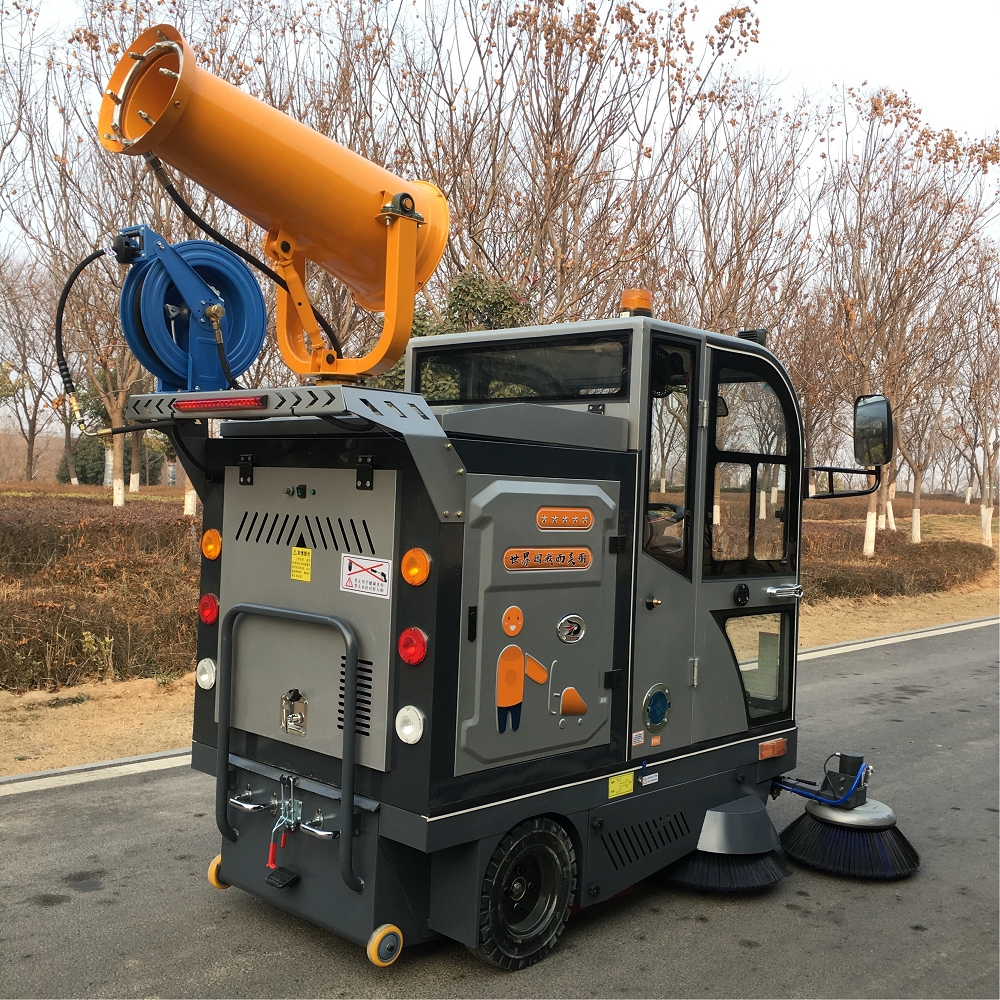
Understanding internal mechanisms helps you match equipment to your operational scope. The industry categorizes street cleaning sweeper equipment into three distinct technologies. Each serves specific applications. No single technology handles every cleaning task perfectly.
Mechanical broom sweepers represent the traditional approach. The mechanism uses physical bristles to flick heavy debris onto a central conveyor belt. The conveyor then lifts the material into the hopper. They excel at managing heavy construction debris. They handle spring clean-up tasks and bulky organic matter efficiently. However, they present distinct limitations. They are far less effective on fine dust compared to air-based systems. They also experience higher mechanical wear and tear due to constant physical contact. When evaluating these models, focus closely on maintenance elements. Evaluate bristle replacement intervals carefully. Inspect the conveyor belt durability and access points.
Regenerative air sweepers utilize advanced airflow dynamics. The mechanism uses a closed-loop air system. It blasts pressurized air onto the pavement to dislodge debris. It then vacuums the airborne material into the hopper. The system separates the dust and recirculates the clean air. These machines are best for routine municipal street cleaning. They excel on wide flat surfaces and offer superior fine particulate control. Their main limitation lies in handling extreme mass. They struggle with oversized, highly dense, or wet, sticky debris. When assessing regenerative models, focus on structural integrity. Assess the durability of the vacuum seal under the sweeping head. Check the filter replacement frequency and accessibility.
Pure vacuum sweepers rely on immense suction power. The mechanism depends entirely on high-suction nozzles. They often feature an assist broom to channel debris toward the nozzle. They are best suited for uneven surfaces and tight curb lines. They dominate European-style narrow streets where maneuverability is paramount. The direct suction pulls debris from deep crevices effectively. During evaluation, check the suction fan maintenance access. Fans handling abrasive materials require periodic inspection. Thoroughly review their integrated water-dust suppression systems.
To simplify your selection process, reference the technology comparison chart below.
| Sweeping Technology | Core Mechanism | Best Suited For | Primary Limitation | Evaluation Focus |
|---|---|---|---|---|
| Mechanical Broom | Physical bristles and conveyor belt | Heavy construction debris, bulky organics | Struggles with fine dust; high part wear | Bristle lifespan, conveyor durability |
| Regenerative Air | Closed-loop pressurized air and vacuum | Routine municipal routes, fine particulates | Struggles with large, dense, wet debris | Vacuum seal integrity, filter access |
| Pure Vacuum | High-suction nozzles with assist brooms | Uneven terrain, deep crevices, narrow streets | Requires robust dust suppression systems | Suction fan access, water system layout |
Choosing the correct power source impacts long-term operational efficiency. The industry is currently shifting toward alternative drivetrains. You must evaluate the initial capital investment of an electric road sweeper machine against long-term operational savings. Electric models require a higher upfront commitment. However, they drastically reduce ongoing mechanical demands. They eliminate diesel fuel consumption entirely. They bypass complex engine maintenance routines. They also minimize dependency on extensive hydraulic fluid systems.
Operational readiness remains a crucial consideration. You must meticulously assess battery life against your planned shift lengths. An electric unit must complete its assigned route without depleting its charge prematurely. Address charging infrastructure requirements early in your planning phase. High-capacity fast chargers require specific facility electrical upgrades. Furthermore, evaluate cold-weather battery degradation risks. Freezing temperatures reduce lithium-ion efficiency and increase cabin heating demands. This combination can shorten active sweeping time during winter months.
Electric alternatives offer a distinct regulatory advantage. Adopting electric sweepers future-proofs your fleet against tightening emissions standards. Municipalities increasingly mandate zero-emission zones within city centers. Operating electric units ensures continuous access to these restricted areas. Additionally, transitioning to green technology often qualifies fleets for municipal sustainability grants. These incentives can offset the initial procurement investment significantly.
Despite these advantages, we must maintain a balanced perspective. Diesel remains the highly practical choice for specific scenarios. Multi-shift, heavy-duty applications demand continuous uptime. Operations running in remote areas lack fast-charging infrastructure. If you run consecutive 10-hour shifts far from a central depot, diesel provides necessary endurance. Match the power source strictly to your infrastructure maturity and geographic realities.
Map out daily route mileage and match it against published battery ranges.
Consult facility engineers regarding electrical grid capacity for fast-charging installations.
Factor in ambient seasonal temperatures when projecting battery endurance.
Keep a mixed fleet if you handle both urban centers and remote highway routes.
Looking past raw engine specifications reveals a machine's true utility. Focus on metrics that directly influence daily productivity. Hopper and water tank capacities are primary drivers of efficiency. Correlate tank size directly to linear productivity. A massive hopper reduces dumping frequency. A large water tank prolongs dust suppression capabilities. Less time spent driving to dump sites or hydrants equals more linear miles swept per shift. Maximize these capacities within the physical footprint your routes allow.
Operator ergonomics and visibility dictate sweep quality. Do not underestimate cabin design. Complex cabin controls cause operator fatigue and confusion. Poor line-of-sight leads directly to curb damage and missed debris. Operators must clearly see the gutter brooms from a comfortable seating position. An ergonomic layout increases focus and reduces costly accidents. Intuitive controls also significantly decrease training times for new hires. Always prioritize human-centric design during your evaluation.
Ease of daily maintenance dictates fleet uptime. Routine checks must be simple and accessible. Highlight the importance of toolless access to critical components. Operators should inspect filters and clear blockages without specialized equipment. Easy wash-down hoppers prevent material buildup and corrosion. Accessible grease points encourage adherence to daily maintenance schedules. If maintenance tasks are difficult or require climbing, they are often skipped.
Smart fleet integration transforms how you manage operations. Evaluate the onboard telematics systems carefully. Modern sweepers generate vast amounts of operational data. Telematics track specific sweep paths to ensure route compliance. They monitor active brush pressure to optimize wear rates. They also transmit real-time maintenance alerts to prevent catastrophic failures. Utilizing this data allows you to transition from reactive repairs to proactive fleet management.
Ignoring the physical turning radius required for specific city intersections.
Underestimating the daily water volume needed for compliant dust suppression.
Failing to test cabin visibility from the perspective of differently sized operators.
Overlooking the physical effort required to clean the hopper interior daily.
Procuring heavy machinery is a long-term partnership. Selecting a reliable road sweeping machine supplier is just as critical as the equipment itself. The supplier dictates your parts availability and overall service uptime. Begin by scrutinizing their post-sale support infrastructure. Demand transparent Service Level Agreements (SLAs) regarding parts availability. A sweeper sitting in the yard waiting on a proprietary part is a sunk resource. Ensure they maintain regional parts depots to facilitate rapid fulfillment.
Evaluate the depth of their technician training programs. Handing over the keys is not enough. Determine whether the supplier offers comprehensive on-site training. They must train both your operators and your mechanics. Operators need instruction on optimal sweeping techniques and daily inspections. Mechanics require deep dives into diagnostics and routine servicing. A supplier invested in your training guarantees better machine longevity.
Review all warranty and service contracts meticulously. Do not simply accept the headline warranty duration. Look past the large print to understand specific exclusions. Wear parts like brooms, rubber skirts, and suction hoses are rarely covered. Clarify exactly what components fall under the powertrain and structural warranties. Understand the specific maintenance benchmarks you must hit to keep the warranty valid.
Finally, control the equipment demonstration process. Establish a strict protocol for the on-site demo. Force the vendor to sweep your actual routes. Do not allow them to demonstrate in a pre-cleaned parking lot. Make them tackle your heaviest debris zones. Have them navigate your tightest corners and steepest inclines. Measure the dust suppression effectiveness under your actual operational conditions. A real-world test exposes theoretical claims immediately.
Acquiring the right sweeping equipment requires disciplined analysis. The decision matrix is straightforward yet demanding. You must achieve a precise technology match for your debris and surfaces. You must determine the power source feasibility based on your shift lengths and infrastructure. Finally, you must secure absolute vendor reliability for long-term support. Balancing these three pillars guarantees a successful procurement cycle.
Be aware of specific implementation risks. Do not under-spec hopper capacity in an attempt to reduce initial machine size. Doing so cripples daily productivity. Furthermore, never ignore operator buy-in during the evaluation phase. They sit in the cabin daily; their ergonomic feedback is invaluable. Ignoring their input leads to poor adoption and increased machine abuse.
Your next step is clear. Prompt your team to schedule a specialized route audit immediately. Document your exact operational requirements. Once your metrics are locked, contact suppliers to request a rigorous, real-world equipment demo on your most challenging routes.
A: A commercial unit typically lasts 7 to 10 years. This lifespan depends heavily on strict maintenance adherence and total operating hours. The harshness of the swept materials also plays a major role. Abrasive materials like sand wear down internal components much faster than light organic litter.
A: Buy equipment for daily, consistent municipal needs. This provides the best long-term value for permanent routes. Hire or contract out for seasonal cleanups, such as autumn leaf removal. Leasing is practical for one-off construction projects where long-term ownership is unnecessary.
A: Machines primarily use water spray nozzles to suppress dust before the brooms strike the pavement. In addition to water, vacuum and regenerative air models utilize high-efficiency particulate air (HEPA) filters. These filters trap microscopic dust particles before exhausting clean air back into the environment.
A: Yes, electric drivetrains offer highly robust torque. The limiting factor is usually the physical sweeping mechanism, not the battery power. A mechanical broom handles heavy debris well, regardless of the power source. Always match the core mechanism to the debris type first.


