
Views: 0 Author: Site Editor Publish Time: 2026-08-05 Origin: Site


Traditional open-top dumpsters create immediate operational liabilities for high-volume facilities. They act as active breeding grounds for vectors, source points for noxious odors, and primary risks for environmental compliance failures. Facility managers and operations directors face compounding daily challenges. You must manage rapidly increasing waste volumes while mitigating the high costs of frequent hauling. Furthermore, you must prevent hygiene failures that inevitably lead to regulatory fines or severe reputational damage.
Transitioning from reactive waste removal to proactive containment changes this dynamic entirely. Adopting a commercial trash compactor serves as more than just a waste reduction strategy. It acts as a critical piece of facility sanitation infrastructure. Upgrading your equipment simplifies overall waste management, secures your loading dock, and actively protects your operational environment.
Volume and Clutter Reduction: Compacting waste by ratios of 3:1 to 8:1 eliminates overflow, wind-blown debris, and the physical footprint of loose garbage bags.
Vector and Odor Mitigation: Fully enclosed systems cut off food sources for pests and utilize integrated technologies to neutralize airborne bacteria and smells.
Liquid Containment: Specialized units prevent hazardous liquid leakage, protecting local groundwater and maintaining clean loading dock environments.
Strategic ROI & Efficiency: The upfront capital expenditure is offset by a drastic reduction in hauling frequency, streamlined waste handling for staff, pest control interventions, and potential
compliance penalties.
Evaluating facility hygiene requires establishing clear baseline metrics. Standard dumpsters fail across multiple sanitation categories. When you rely on open-air containers, you surrender control over your waste staging areas. Measuring success means achieving zero leachate runoff, eliminating visible pest activity, and maintaining neutral air quality around your loading docks. Let us look at the specific ways open containers degrade site conditions and create ongoing maintenance headaches for your staff.
Decomposing organic matter in open air creates immediate air quality hazards. Food waste breaks down rapidly, releasing hydrogen sulfide and ammonia into the surrounding environment. These noxious gases migrate quickly toward facility entrances and HVAC intake vents. Poor air quality directly impacts employee working conditions. It also degrades the customer experience before guests even enter your building. Standard dumpsters offer no barrier against this atmospheric contamination. I have seen loading docks where the smell alone drives away foot traffic from adjacent retail spaces. You cannot solve this by simply spraying deodorizers over an open pile of rotting material. Municipal odor ordinances often penalize facilities that fail to contain these airborne emissions, leading to unexpected citations.
Unsealed waste acts as a powerful attractant for local wildlife. Exposed garbage provides an unlimited food source and shelter for rodents, flies, and scavengers. Once pests establish a colony near your loading dock, they inevitably seek entry into your main facility. This creates secondary sanitation crises inside your building. Managing these infestations requires aggressive chemical interventions, which introduce their own environmental hazards. A single rat sighting near a hospital loading dock or restaurant back door can trigger immediate health department audits. Open dumpsters essentially invite these vectors onto your property, forcing you into a constant, unwinnable battle with local pest populations.
Mixed waste generates significant liquid runoff, commonly known as leachate or "dumpster juice." This toxic liquid seeps from unsealed containers directly onto concrete staging pads. Leachate creates severe slip-and-fall hazards for your staff. Furthermore, it washes into municipal stormwater drains during heavy rain. Allowing contaminated runoff to enter local water systems violates strict environmental regulations and triggers substantial municipal fines. Concrete is highly porous. Once leachate soaks into a loading dock pad, the bacteria embed deep within the material. This makes it nearly impossible to sanitize without heavy industrial chemicals and high-pressure steam cleaning, which drains your maintenance budget.
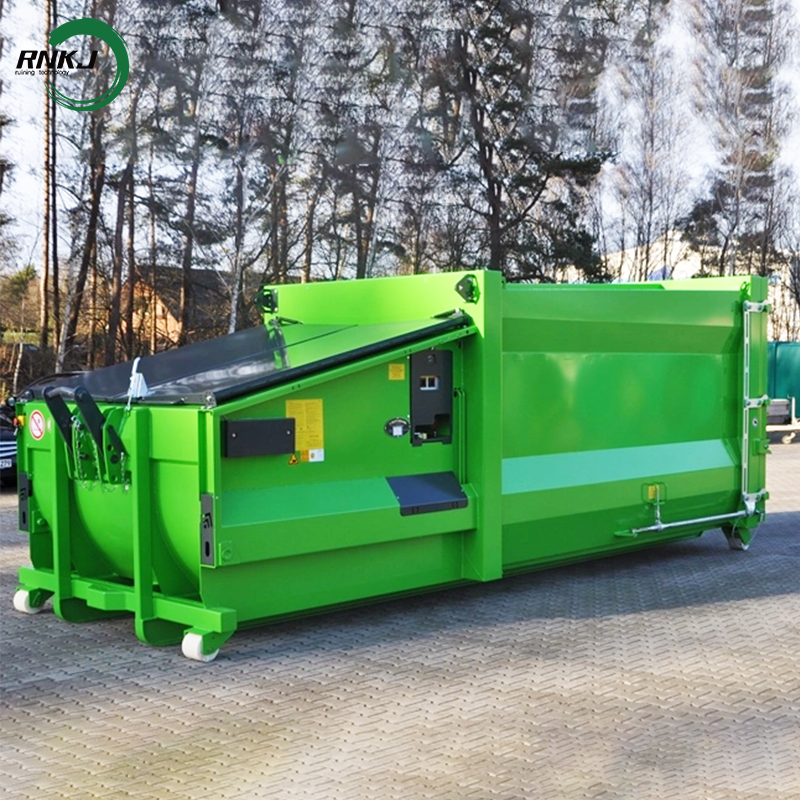
Modern waste equipment engineers design specific features to solve these exact sanitation failures. Upgrading your infrastructure replaces vulnerable open containers with secure, mechanized containment. A heavy-duty commercial waste compactor transforms your loading dock from a hazard zone into a controlled, sanitary environment. The mechanical force combined with structural steel enclosures provides a permanent fix to loose trash problems.
Preventing leachate runoff requires absolute structural integrity. A sealed garbage compactor utilizes continuously welded seams rather than stitch welding. This creates liquid-tight containment chambers capable of holding hundreds of gallons of fluid. Heavy-duty EPDM rubber door seals compress tightly during operation, trapping all liquids inside the unit. This engineering prevents wet waste seepage onto your concrete pads. Your loading dock remains dry, safe, and compliant with local stormwater runoff regulations. We regularly inspect units that manage heavy organic waste without a single drop hitting the pavement, proving the effectiveness of proper seal maintenance.
Masking smells with industrial perfumes fails to address the root cause of odors. An odor control waste compactor integrates active neutralization technologies directly into the hopper design. Ozone generators destroy odor-causing bacteria at the molecular level before they can multiply. Carbon filtration systems scrub the exhaust air escaping the chamber during the compaction cycle. Automated deodorizers release targeted enzymes that break down organic compounds on contact. These systems neutralize airborne bacteria rather than simply covering up the stench, keeping your exterior air quality neutral and compliant with local ordinances.
High winds and heavy loading periods often scatter loose trash across your property. Mechanical compaction combined with enclosed hoppers solves this issue completely. Staff deposit waste directly into a secure chamber. The hydraulic ram crushes the material deep into the receiver box. Wind cannot access the compacted material. Your exterior grounds remain free of unsightly, unsanitary litter. This eliminates the need to send maintenance crews out to walk the fence line picking up stray plastic bags and paper debris.
Centralized compaction fundamentally simplifies internal waste management for your staff. High-capacity units reduce the total number of trips employees make to the loading dock. Through-the-wall chute systems allow staff to dispose of waste without stepping outside. This minimizes manual contact with unsanitary materials. It also keeps internal staging areas clear of accumulating garbage bags, drastically improving indoor hygiene and reducing workers' compensation claims related to lifting heavy, awkward loads.
Here is a standard workflow improvement we see when facilities upgrade their handling processes:
Staff collect waste in internal bins and transport it to a centralized indoor chute.
The material drops directly into the exterior compaction chamber without manual lifting.
An electric eye sensor detects the material and automatically cycles the hydraulic ram.
The ram pushes the waste into the sealed receiver box, clearing the hopper for the next load.
Staff return to their primary duties without ever stepping onto the exterior loading dock.
Selecting the correct equipment requires matching the machine to your specific waste profile. Different facilities generate vastly different materials. Deploying the wrong unit compromises your sanitation goals. You must evaluate equipment options based on liquid content, total volume, and operational layout. A hospital has entirely different containment needs than a dry goods distribution center.
Waste Equipment Application Matrix
| Equipment Category | Ideal Material Profile | Primary Facility Types | Core Sanitation Benefit |
|---|---|---|---|
| Self-Contained Units | High liquid content, organic food waste | Hospitals, supermarkets, food processing | Zero liquid separation; prevents all on-site leakage. |
| Stationary Units | Dry bulk, cardboard, plastics, textiles | Retail centers, warehouses, manufacturing | Reduces fire hazards; eliminates rodent nesting grounds. |
| Roll-Off / Heavy-Duty | Mixed construction debris, industrial waste | Jobsites, heavy industrial plants | Clears hazardous debris; prevents localized contamination. |
Facilities processing heavy organic loads require specialized containment. Hospitals, restaurants, supermarkets, and food processing plants rely on self-contained units. In these systems, the compaction ram and the receiver container are permanently attached. The hauling truck removes the entire sealed unit to empty it off-site. This design ensures zero liquid separation during operation. It guarantees absolute leak prevention on your property. When the unit returns from the landfill, it is often washed out, ensuring you start with a clean, sanitized container for the next cycle.
Operations generating massive volumes of dry packaging need efficient volume reduction. Retail centers, manufacturing facilities, and large warehouses utilize stationary compactors. The compaction unit bolts permanently to your concrete pad. It pushes dry waste into a detachable receiver box. This setup is ideal for cardboard, plastics, and textiles. It keeps bulky materials tightly compressed, reducing fire hazards and eliminating void spaces where rodents nest. The sheer force of the hydraulic ram easily crushes memory-retaining plastics, maximizing the weight inside the receiver box.
Industrial environments demand extreme durability. Construction jobsites and heavy manufacturing plants generate massive volumes of bulky, mixed waste. Heavy-duty compactors manage these extreme loads effortlessly. They keep active jobsites clear of hazardous physical debris. Consolidating industrial waste prevents localized environmental contamination and significantly improves overall site safety for your crews. These units feature reinforced steel plating to withstand the impact of heavy debris without compromising the structural integrity of the containment chamber.
Comparing different models requires objective evaluation of mechanical specifications. Do not rely solely on marketing brochures. You must assess how specific features directly impact your daily operations. Evaluating the hydraulic pressure, safety interlocks, and telemetry systems ensures you select a machine built for rigorous daily use.
Manufacturers typically claim volume reduction ratios between 3:1 and 8:1. You must evaluate these claims based on the specific density of your waste stream. Wet, heavy food waste compacts differently than dry, memory-retaining plastics. High-pressure hydraulic cylinders maximize these ratios. Tighter compaction leaves fewer air gaps, which accelerates anaerobic breakdown and minimizes the physical footprint of your waste. Conducting a thorough waste audit before purchasing helps you determine the exact cylinder size and motor horsepower required to achieve maximum density.
Modern waste equipment utilizes IoT-enabled telemetry systems. These smart monitors track hydraulic pressure to determine exact fullness levels. The system automatically alerts your hauling provider for an on-call pickup before the unit reaches maximum capacity. This prevents overflow scenarios entirely. Continuous monitoring ensures uninterrupted hygiene and eliminates the sanitation risks associated with missed pickups. You no longer have to rely on staff visually checking the hopper to guess when the container needs emptying.
Industrial waste equipment poses severe physical risks to untrained operators. You must evaluate built-in safety mechanisms. Look for mandatory safety interlocks on all hopper doors. Ensure the unit features easily accessible emergency stop buttons. Keyed access or RFID scanners prevent unauthorized dumping by the public. These controls protect your staff from injury and secure your waste stream from external contamination.
Essential Safety and Access Control Checklist
| Component | Function | Operational Impact |
|---|---|---|
| Magnetic Door Interlocks | Cuts power if hopper door opens during cycle | Prevents crush injuries during loading |
| Mushroom E-Stop Button | Instantly halts hydraulic ram movement | Allows immediate shutdown in emergencies |
| RFID Operator Badges | Restricts machine operation to trained staff | Stops unauthorized use and illegal dumping |
| Warning Sirens/Strobes | Alerts bystanders when machine is cycling | Keeps loading dock personnel clear of pinch points |
Facility leaders must analyze the conceptual trade-offs between upfront capital expenditures and long-term operational savings. Upgrading your waste infrastructure requires a significant initial investment. However, the financial returns compound rapidly through operational efficiencies and risk mitigation. You are not just buying a steel box; you are investing in a system that fundamentally lowers your daily operating costs.
The primary financial driver is the drastic reduction in hauling frequency. Compacting waste at a 4:1 ratio means you cut your hauling schedule by 75%. If you currently pay for four weekly pickups, a compactor reduces that to one. Calculate your return on investment by comparing your current monthly hauling invoices against the amortized cost of the equipment. Most high-volume facilities achieve full payback well within the equipment's lifespan, turning waste management from a sunk cost into a controlled, predictable expense.
Traditional dumpsters generate numerous hidden secondary costs. Poor hygiene requires frequent pest control call-outs. Leachate runoff triggers municipal fines for environmental violations. Staff spend countless labor hours sweeping up wind-blown litter and power-washing stained concrete. A sealed compaction system eliminates these issues. You immediately recover the labor hours and maintenance budgets previously wasted on reactive cleaning. Redirecting your maintenance staff to productive facility upkeep rather than garbage duty provides immediate operational value.
Corporate sustainability goals demand measurable environmental improvements. Reducing your hauling frequency directly lowers your Scope 3 emissions. Fewer garbage trucks idling at your loading dock means a smaller carbon footprint for your facility. Implementing proactive waste containment supports broader corporate ESG initiatives. It demonstrates a tangible commitment to environmental compliance and community health, which resonates strongly with local municipalities and regulatory boards.
Installing heavy waste management equipment involves complex logistical hurdles. You cannot simply drop a compactor onto an unprepared site. Successful deployment requires careful planning, structural modifications, and strict adherence to safety protocols. Failing to prepare your site properly leads to delayed installations and damaged infrastructure.
Compactors exert immense physical force and carry extreme weight. You must install reinforced concrete pads capable of supporting the loaded unit and the hauling truck. Asphalt will fail under this pressure, creating deep ruts that make hauling impossible. Evaluate your loading dock layout carefully. Hauling trucks require a wide turning radius and specific overhead clearance to safely load and unload the receiver boxes. Measure these dimensions before ordering equipment.
Follow these site preparation steps before scheduling delivery:
Core drill the existing concrete to verify a minimum depth of 3000 PSI steel-reinforced concrete.
Measure the overhead clearance to ensure a minimum of 22 feet for the roll-off truck hoist.
Verify the approach angle allows a 60-foot truck to back in straight without jumping curbs.
Install heavy-duty steel guide islands to protect adjacent building walls from truck impacts.
Trench and lay conduit for the required electrical and hydraulic lines.
Industrial compactors require dedicated, high-voltage electrical connections. Most units operate on 208, 230, or 460-volt 3-phase power. You will likely need an electrician to run new conduit to your dock. Additionally, you must establish strict maintenance protocols for the hydraulic systems. Ruptured hoses leak hydraulic fluid, creating a secondary environmental contamination risk. Regular inspections prevent these hazardous spills. If your facility experiences freezing temperatures, you must also install oil heaters to maintain hydraulic fluid viscosity during winter months.
Your equipment is only as reliable as the company supporting it. Selecting a reputable commercial garbage compactor supplier is critical. Look for a dedicated waste management equipment manufacturer that offers comprehensive service level agreements. Demand guaranteed emergency repair response times. Review the warranty coverage specifically for hydraulic cylinders, motors, and rubber door seals. A strong local service network prevents minor breakdowns from becoming major sanitation crises. Ask for references from facilities with similar waste profiles to verify their field performance.
Deploying a commercial trash compactor represents a necessary evolution for any facility generating high volumes of waste. This upgrade shifts your operational paradigm from passive waste storage to active sanitation management. You eliminate the root causes of odors, pest infestations, and toxic liquid runoff. Apply clear shortlisting logic when selecting your unit. Choose self-contained compactors for high-liquid or organic waste streams to guarantee leak prevention. Opt for stationary units to manage high-volume dry waste and reduce clutter. Match the machine's capabilities directly to your facility's specific vulnerabilities.
Conduct a comprehensive waste audit to document your daily volume and primary material types.
Measure your loading dock dimensions, verifying concrete depth and truck turning radius.
Consult with a certified equipment supplier to schedule a site-specific infrastructure evaluation.
Request electrical schematics to confirm your facility can support 3-phase power requirements.
A: Commercial compactors typically reduce waste volume by ratios of 3:1 to 8:1, equaling a 300% to 800% reduction in total footprint. The exact ratio depends heavily on material density. Wet food waste compacts differently than dry cardboard or rigid plastics.
A: They smell significantly less than open dumpsters. Fully sealed units trap odors inside the chamber. Many models integrate advanced odor control accessories, such as ozone generators and carbon filters, which actively neutralize airborne bacteria rather than just masking the smell.
A: Self-contained units have the compactor and container permanently attached, making them leak-proof and ideal for wet waste. Stationary compactors bolt to the ground and push dry waste into a detachable box. You haul away the entire self-contained unit, but only the receiver box for stationary models.
A: Yes. Sealed compactors eliminate access to food sources and shelter. Heavy-duty steel construction and tight rubber seals prevent rodents, flies, and scavengers from entering the waste chamber, effectively deterring infestations around your facility.
A: Routine maintenance includes checking hydraulic fluid levels, greasing moving parts, and inspecting structural welds. You must also regularly inspect the rubber door seals for degradation and refill any automated deodorizer systems to maintain optimal sanitation.
A: Prioritize suppliers with strong local service networks and rapid emergency response times. Evaluate their installation support capabilities and demand comprehensive maintenance contracts. Ensure they offer robust warranties covering critical components like hydraulic cylinders and motors.
A: Yes. Industrial compactors require heavy-duty electrical infrastructure. Most standard units operate on 208, 230, or 460-volt 3-phase power. You will typically need a licensed electrician to install a dedicated disconnect switch at your loading dock.


