
Views: 0 Author: Site Editor Publish Time: 2026-02-04 Origin: Site


Choosing the right industrial skip bin can make or break your waste management strategy. Whether you’re managing construction debris or industrial waste, selecting the correct bin is essential. A well-chosen bin saves you time, money, and effort while ensuring compliance.
In this article, you will learn how to choose the right skip bin for your business needs, including the importance of waste type, size, material, and added features. You’ll also explore how a Hook Lift Bin can enhance your waste disposal efficiency.
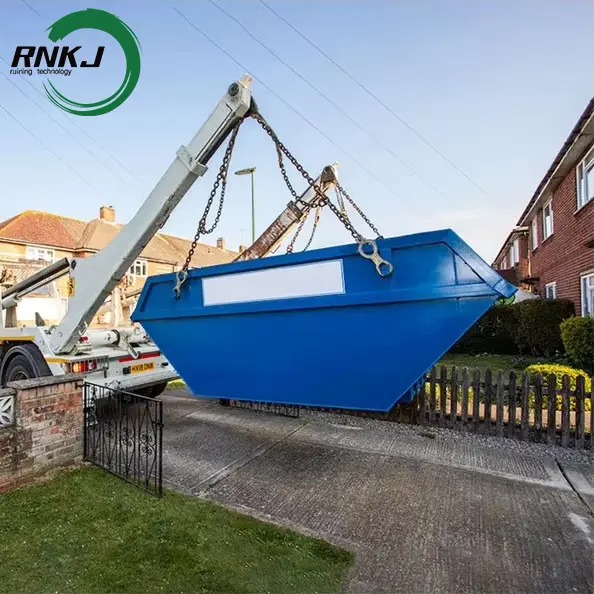
Before choosing an industrial skip bin, it’s essential to understand the type and amount of waste you need to dispose of. This step helps ensure that you select a skip bin that fits your needs and prevents issues such as overflow or unnecessary costs.
Different types of waste require different skip bin solutions. By classifying your waste, you can choose the right bin material and size.
● General Waste: Non-hazardous waste such as paper, plastics, and general debris.
● Construction & Demolition (C&D) Waste: Includes materials like concrete, wood, metal, and tiles.
● Hazardous Waste: Items like chemicals, batteries, and certain paints that require special handling.
● Green Waste: Organic materials such as grass, leaves, and branches.
Understanding the composition of your waste is critical, as it affects both the bin material and the disposal process. Classifying waste properly can prevent the need for specialized handling or additional disposal costs.
Accurate waste volume estimation is vital. If you underestimate, you risk overflow and additional costs, while overestimating might lead to unnecessary expenses. Tools like waste calculators or visual approximations (comparing the volume to wheelie bins) can help estimate your needs. Always consider peak waste output to prevent extra trips for collection.
The size of the skip bin you choose depends on the amount of waste you generate. Skip bins are typically measured in cubic meters (m³), ranging from small bins to large industrial containers. It's important to ensure the bin fits in the available space and meets your operational needs.
These bins are ideal for smaller projects such as office cleanups, landscaping, or home renovations. They are best suited for low to medium waste volumes, where compact and manageable disposal is needed.
Larger bins are necessary for more substantial industrial operations, such as construction sites or manufacturing facilities. These bins are perfect for bulk waste removal, including demolition debris, industrial by-products, or large-scale commercial waste.
Type | Size | Use Cases | Example |
Small to Medium-Sized Bins | 2-10 m³ | Small office cleanups, DIY renovations, garden work | A 6m³ bin is often used for bathroom renovations or small landscaping projects |
Large Bins | 10-40 m³ | Large-scale construction projects, manufacturing plants, and commercial waste | A 20m³ bin is ideal for a commercial construction project with large volumes of mixed waste |
Ensuring the correct bin size is crucial. If the bin is too small, it will lead to overflow and more frequent collections. If it’s too large, it could result in unnecessary costs. Also, consider the available space for the bin. The chosen bin should fit comfortably and not obstruct operations.
Different materials offer different advantages. Choosing the right material ensures durability, safety, and cost-effectiveness, depending on the type of waste you plan to dispose of.
Steel is the most durable material, ideal for heavy-duty industrial applications. Steel bins are secure, robust, and resistant to corrosion, making them perfect for large-scale waste management operations.
● Benefits: Steel bins offer excellent longevity and security, protecting contents from unauthorized access.
● Ideal For: Large construction sites, hazardous waste, or manufacturing plants.
Plastic bins are lighter, making them easier to handle and transport. They are cost-effective and weather-resistant, making them suitable for smaller or less intensive operations.
● Benefits: Plastic bins are affordable, lightweight, and resistant to corrosion, making them ideal for general waste.
● Ideal For: Smaller operations or areas with lighter waste generation.
Wooden bins are a sustainable choice, especially if made from reclaimed materials. They can offer a more aesthetic look but are not as durable as metal bins.
● Benefits: Eco-friendly and visually appealing, they may be ideal for certain industries with sustainability goals.
● Ideal For: Outdoor events, small businesses focused on sustainability.
Choosing the right material helps ensure that the bin lasts longer and is appropriate for the type of waste being disposed of. Steel bins are the go-to for heavy-duty industrial waste, while plastic is a lighter, more affordable option for lighter loads.
Material | Benefits | Ideal For |
Steel | Durable, secure, corrosion-resistant | Large construction, hazardous waste |
Plastic | Lightweight, affordable, weather-resistant | Small operations, general waste |
Wood | Eco-friendly, aesthetic | Outdoor events, sustainable businesses |
In addition to the basic material and size considerations, modern industrial skip bins come with a variety of features that can enhance efficiency and safety.
Skip bins can have either an open or closed top. An open-top bin is ideal for large or bulky items but may expose contents to the elements. A closed-top bin offers better security and protects waste from rain or wind.
● When to Choose Open Top: When you need easy access to large, bulky waste.
● When to Choose Closed Top: For hazardous or fine-grained waste, to prevent spillage.
Mobility is a crucial feature, especially in spaces with limited access. Some bins come with wheelsets or handles to make them easier to move around.
Security features like locking mechanisms can help prevent unauthorized access, while weatherproofing ensures that the bin withstands outdoor conditions.
Feature | Benefits |
Wheelsets & Handles | Simplifies repositioning, loading, and unloading waste |
Locking Mechanisms | Prevents unauthorized access, enhances security |
Weatherproofing | Protects from outdoor elements, extends bin lifespan |
Compliance with legal and environmental regulations is essential in industrial waste management. This includes proper classification of waste, obtaining necessary permits, and ensuring environmentally friendly disposal practices.
Local, state, and federal regulations often govern the disposal of waste, particularly hazardous materials. Ensure that the skip bin complies with all relevant regulations to avoid fines or legal issues.
● Key Regulations: Waste segregation, permit requirements for large or hazardous waste, recycling rules.
Incorporating sustainable waste disposal practices is crucial. Look for skip bins from providers who emphasize recycling and waste minimization.
● Benefits: Working with eco-friendly providers not only ensures compliance but also reduces the environmental impact of your waste disposal practices.
Environmental responsibility in waste management not only meets regulations but also contributes to a more sustainable business model. Choosing eco-conscious providers ensures that waste is disposed of responsibly, with a focus on recycling and minimizing landfill usage.
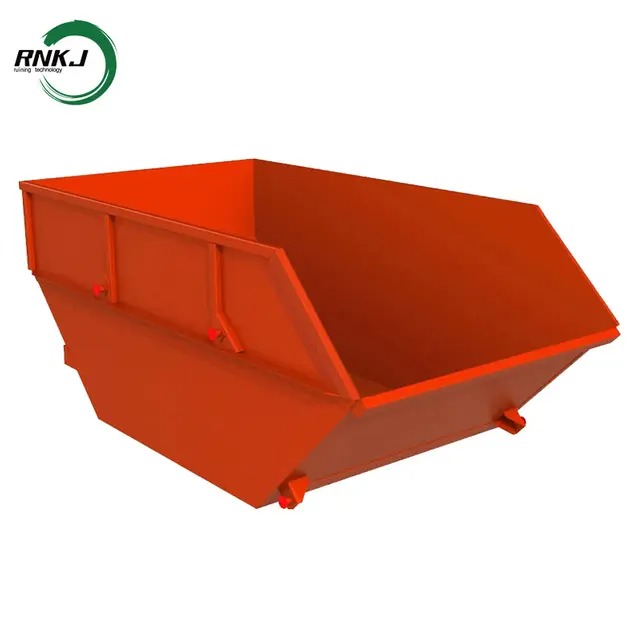
One of the key decisions you’ll face is whether to rent or purchase an industrial skip bin. Both options have distinct advantages depending on your project’s scope and duration.
Renting a skip bin is a cost-effective solution for short-term or periodic waste management needs. Renting offers flexibility, allowing you to scale up or down based on the amount of waste being generated. Additionally, the rental company handles maintenance, saving you time and effort.
If your company generates a significant volume of waste regularly, purchasing a skip bin might be more cost-effective in the long run. Owning a skip bin also gives you full control over its design and custom features.
Option | Benefits |
Renting | No maintenance responsibilities, flexibility in size, cost-effective for short-term projects |
Purchasing | Long-term savings, customizable bins, full ownership |
Consider the nature of your waste management needs when deciding. Renting offers flexibility, but if your company consistently generates waste, purchasing a bin may offer better value over time.
Choosing the right industrial skip bin involves considering waste type, size, material, and features. Understanding your specific needs helps ensure an efficient waste management process. Whether renting or purchasing, consulting reliable providers is crucial. Shandong RNKJ Environmental Technology Co., Ltd. offers tailored solutions that meet industry demands. Their skip bins provide durability and value, ensuring cost-effective waste disposal while maintaining compliance.
A: Choose a Hook Lift Bin based on waste volume. For small projects, a 2-10m³ Industry Skip Bin works well, while larger operations may need bins up to 40m³.
A: Industry Skip Bins can handle general waste, construction debris, and green waste. Hazardous waste requires special handling, and Hook Lift Bins are great for heavy-duty materials.
A: Locking mechanisms and weatherproofing enhance the security and durability of a Hook Lift Bin, protecting it from the elements and unauthorized access.
A: Rent a Hook Lift Bin for short-term or fluctuating needs, while buying is ideal for consistent, large-scale waste generation.
A: Bin size, waste type, and frequency of pickups impact the cost of a Hook Lift Bin. Larger bins and frequent pickups are more expensive.
A: If your Industry Skip Bin overflows, consider upgrading to a larger Hook Lift Bin or increasing pickup frequency to manage waste more effectively.


