
Views: 0 Author: Site Editor Publish Time: 2025-10-21 Origin: Site


Urban waste management is a persistent challenge for cities, commercial complexes, and residential communities alike. Overflowing bins, frequent collection trips, unpleasant odors, and cluttered streets are constant headaches for municipal planners, property managers, and commercial park operators. For these stakeholders, finding an efficient solution that reduces waste handling costs while maintaining clean and attractive public spaces is critical. An Underground Garbage Compression Station offers a modern approach to these problems. By compressing waste below ground and optimizing collection cycles, these systems provide operational efficiency, environmental benefits, and improved aesthetics. Additionally, the technology allows managers to anticipate peak waste generation times through smart sensors, ensuring timely servicing without unnecessary trips. In this article, we explore how an Underground Garbage Compression Station works, who can benefit, and what factors to consider before implementing one, all while highlighting the solutions provided by RNKJ Environmental Technology Co., Ltd.
The primary users of Underground Garbage Compression Stations are entities responsible for large-scale waste management. Municipal waste departments are the most common buyers, as city planners aim to reduce street-level trash and increase collection efficiency. Multi-family residential property managers also benefit, especially in dense urban areas where limited space makes traditional dumpsters impractical. Shopping center operators, office parks, and industrial complexes are increasingly turning to these systems to handle high volumes of waste discreetly and hygienically. Each of these decision-makers faces unique challenges but shares common goals: reduce collection costs, improve sanitation, and maintain public appeal. In addition, universities, hospitals, and transit hubs are adopting underground compression technology to maintain hygienic and organized environments for their staff and visitors.
Urban waste management problems extend beyond mere inconvenience. Overflowing bins create unattractive streets, attract pests, and produce odors that affect residents and visitors alike. Frequent collection cycles increase labor and fuel costs while adding traffic congestion. Moreover, traditional above-ground dumpsters take up valuable space and disrupt pedestrian or vehicle flow. An Underground Garbage Compression Station addresses these challenges by storing larger volumes of compacted waste below ground, reducing collection frequency and freeing up surface space. With sensors and automated alerts, these systems ensure timely emptying and prevent overflow, directly tackling operational pain points. They also help municipalities meet sustainability targets by lowering emissions from waste transport vehicles and minimizing landfill trips.
To determine if an Underground Garbage Compression Station is right for your facility, consider these questions:
Do you frequently face overflowing trash or high collection costs?
Is space limited or aesthetically sensitive in your facility or community?
Are odor and pest management priorities for residents or visitors?
Do you aim to reduce environmental impact and improve operational reporting?
If the answer is yes to any of these, investing in an underground compression solution may deliver substantial operational, environmental, and economic improvements.
At its core, an Underground Garbage Compression Station consists of several key components that work together to optimize waste storage and handling. The in-ground compaction chamber is where the waste is deposited and compressed. Above ground, a user-friendly input point allows residents, employees, or visitors to dispose of trash conveniently. Hydraulic or pneumatic compactors perform the compression, while embedded sensors and automated controls monitor fill levels and system performance. These features ensure the station operates efficiently and safely, minimizing human intervention and preventing waste overflow. Modern designs also include smart monitoring dashboards that allow managers to track usage trends, maintenance needs, and collection schedules, improving operational transparency.
The operational flow of an Underground Garbage Compression Station begins with user disposal at the above-ground input point. Waste is then transferred into the underground chamber, where it is compressed to maximize storage capacity. Sensors continuously track the fill level, triggering compaction cycles as necessary. Once the chamber reaches capacity, collection teams are notified to empty the system, reducing unnecessary pickups. This streamlined process allows facilities to manage larger volumes of waste with fewer collection trips, cutting both labor and fuel costs while keeping the area clean. Some systems even allow remote monitoring via mobile apps, enabling real-time alerts and predictive maintenance to avoid unexpected downtime.
There are different types of underground compression systems suited for various environments. Hydraulic and mechanical compaction systems provide powerful compression for high-density waste environments, making them ideal for urban streets, shopping centers, and large residential complexes. Pneumatic tube systems, in contrast, use air pressure to move waste through a network of tubes to a central collection point, suitable for campuses, hospitals, or industrial parks where above-ground space is limited. Each system offers distinct benefits, and the choice depends on waste volume, site layout, and operational priorities. Industry studies have shown that underground compression can increase storage capacity by up to four times compared to traditional bins and significantly reduce collection frequency, making it a cost-effective investment over time. By selecting the system type carefully, managers can balance operational efficiency, installation complexity, and ongoing maintenance needs.
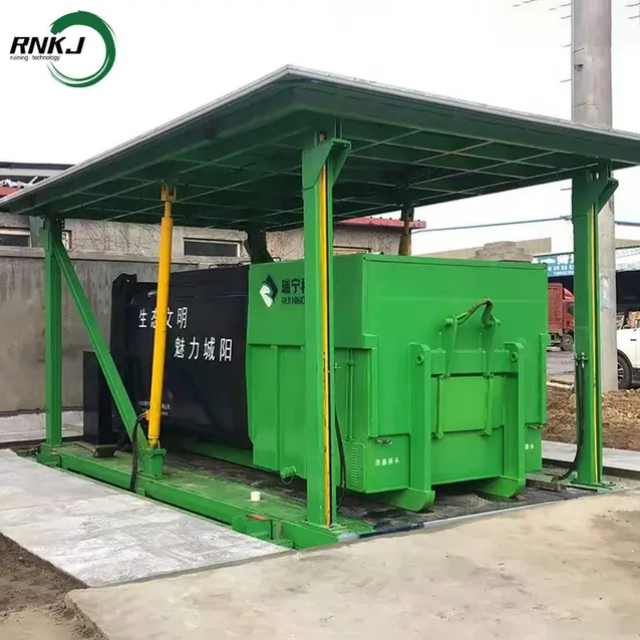
One of the most tangible advantages of an Underground Garbage Compression Station is operational efficiency. By compressing waste below ground, facilities can reduce collection frequency, lowering labor, fuel, and vehicle maintenance costs. For municipal departments, this translates into fewer trips for garbage trucks, less traffic congestion, and more predictable collection schedules. For commercial properties and residential complexes, the reduction in manual handling and fewer service interruptions improves workflow and staff productivity. Additionally, predictive data from sensors enables optimized route planning for collection vehicles, further enhancing cost savings.
Underground Garbage Compression also offers significant environmental benefits. With fewer truck trips, emissions and fuel consumption decrease, contributing to a lower carbon footprint. Compacted waste produces fewer odors, reducing the negative sensory impact on surrounding areas. Streets, parks, and public spaces remain cleaner, and litter-related complaints decrease. For municipalities aiming to improve urban livability and sustainability, investing in underground compression technology demonstrates a commitment to environmentally responsible waste management. Moreover, some systems support separate waste streams, enabling easier recycling and better compliance with environmental regulations.
In addition to operational and environmental gains, underground systems enhance safety and aesthetics. By keeping waste hidden below ground, stations reduce the risk of pests, vermin, and stray animals coming into contact with trash. Public spaces appear cleaner and more inviting, which is essential for urban planning, residential satisfaction, and commercial appeal. Compliance with local codes and environmental standards is also simplified, as these systems are designed to meet modern sanitation and safety regulations. Furthermore, secure covers and automated locks prevent unauthorized access and improve public safety in high-traffic areas.
Realistic ROI Drivers: Facilities can achieve faster return on investment through increased capacity, fewer emptying cycles, reduced labor, and lower maintenance costs. Long-term savings often justify the initial installation investment, while community satisfaction and improved urban aesthetics add indirect value that supports stakeholder objectives.
Before purchasing an Underground Garbage Compression Station, it’s crucial to evaluate site-specific factors. Ensure there is adequate space for both installation and service vehicle access. Check for underground utilities, drainage systems, or high water tables that could complicate installation. Seasonal variations, soil conditions, and traffic patterns should also be considered to ensure smooth long-term operation. For multi-story complexes, assess pedestrian and vehicular access paths to prevent congestion or obstruction.
When discussing potential systems with suppliers, request detailed specifications. Key factors include compaction force, chamber capacity, emptying cycle frequency, sensor integration, IoT capabilities, and maintenance intervals. Requesting these specifications ensures the system matches your facility’s waste volume and operational requirements. RNKJ’s systems offer flexible configurations and smart sensors for real-time monitoring, providing assurance of consistent performance. Additionally, inquire about modularity options and expansion potential to accommodate future growth or higher waste generation periods.
Verify that the system complies with local safety and environmental regulations, including electrical and hydraulic standards. Features such as automatic lift locks, emergency stop controls, and secure covers ensure safe operation. Proper adherence to codes protects both personnel and the public, minimizing liability while guaranteeing reliable performance. By focusing on lifecycle costs rather than purchase price alone, buyers can select systems that provide long-term value, durability, and predictable maintenance needs.
Q: Is maintenance difficult?
Maintenance is straightforward with modern underground systems. Routine tasks include checking hydraulic fluid, inspecting sensors, and emptying the compaction chamber. RNKJ’s designs emphasize accessible components for minimal service time. Scheduled maintenance intervals and remote monitoring further reduce unexpected downtime and repair costs.
Q: Won’t underground systems smell or attract pests?
Advanced design features, including sealed input points, automated compaction, and odor-neutralizing filters, prevent odors and pest access. Waste is compressed and isolated from public areas, maintaining hygienic conditions. Regular sensor alerts ensure timely servicing to avoid overflow.
Q: How do pneumatic systems compare to compactors?
Pneumatic systems excel in campus or industrial settings where above-ground space is limited and waste volumes are moderate. Compactors are preferable for high-density urban environments requiring maximum storage and heavy-duty compression. Both approaches enhance efficiency, but selection depends on site-specific needs. Integrated monitoring and predictive maintenance further enhance reliability and operational planning.
Urban waste management challenges—frequent pickups, street-level litter, and high operational costs—can be effectively addressed by an Underground Garbage Compression Station. By combining advanced compaction technology, smart sensors, and efficient storage, these systems deliver operational savings, environmental benefits, and improved public-space aesthetics. RNKJ Environmental Technology Co., Ltd. provides reliable, CE- and ISO-certified solutions that cater to diverse facility needs. If you manage a building or municipality, contact us today for a free site evaluation and see how Underground Garbage Compression can transform your waste management strategy while improving efficiency, sustainability, and community satisfaction.


