
Views: 0 Author: Site Editor Publish Time: 2026-10-16 Origin: Site


Choosing the right wet waste compaction equipment requires more than comparing prices and equipment dimensions. Wet waste often contains food residues, moisture, liquids, and organic materials that can create additional challenges during collection, compression, storage, and transportation. A suitable compaction system should match the characteristics of your waste, the daily handling volume, the available installation space, and your operational requirements.
Before requesting a quotation from a Wet Waste Compactor Manufacturer, it is important to understand exactly what your project needs. Asking the right questions helps you compare different equipment configurations, identify potential installation issues, and obtain a quotation that reflects your actual working conditions.
Whether you need equipment for commercial kitchens, food processing facilities, supermarkets, hotels, catering centers, or municipal waste collection sites, the following questions can help you make a more informed purchasing decision.
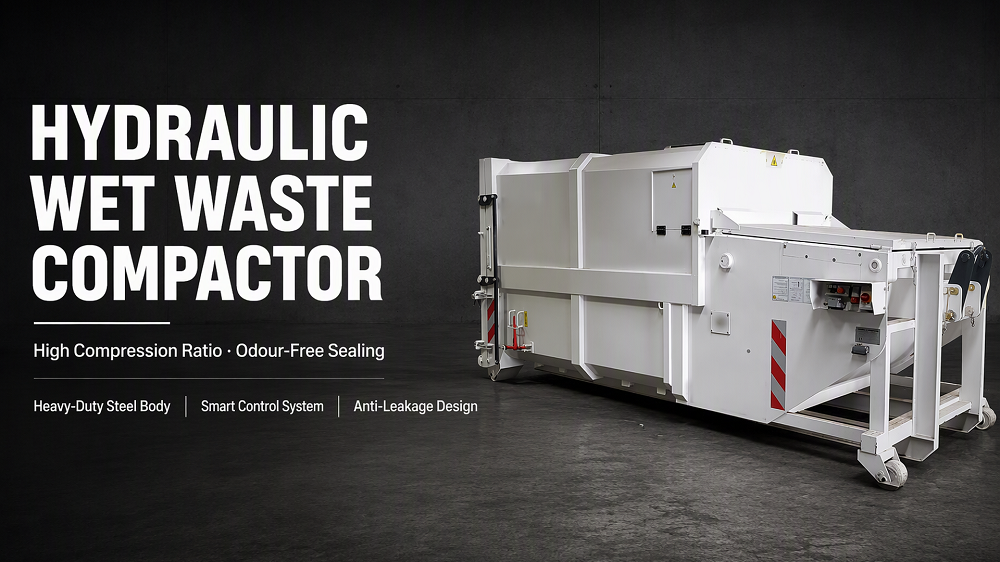
The first step is to clarify the basic technical requirements of the wet waste compactor. Different waste materials and operating environments may require different equipment configurations.
Before contacting a manufacturer, ask which technical parameters are required to select a suitable model.
Important specifications include:
Compaction capacity: The amount of wet waste the equipment can handle during a specified period.
Container volume: The storage capacity of the equipment, usually expressed in cubic meters (CBM).
Compression force: The force applied to compact the waste, selected according to material characteristics and operating requirements.
Power supply: Available voltage, frequency, and electrical connection requirements.
Hydraulic system: Hydraulic power unit configuration, operating pressure, and relevant control functions.
Feeding method: Manual feeding, hopper feeding, conveyor feeding, or another compatible arrangement.
Equipment dimensions: Overall length, width, height, and any additional clearance required for operation and maintenance.
Control system: Manual controls, automatic operating sequences, safety interlocks, and optional monitoring functions.
A professional Wet Waste Compactor Manufacturer should use these requirements to recommend an appropriate configuration rather than selecting a machine based only on its nominal capacity.
You should also explain whether the equipment will operate continuously throughout the day or process waste in several batches. Operating frequency can influence the recommended hydraulic configuration, working cycle, and overall equipment design.
Capacity is one of the most important considerations when purchasing a wet waste compactor. Equipment that is too small may require frequent emptying and interrupt daily operations, while an oversized unit may increase the initial investment and occupy unnecessary space.
Ask the manufacturer to clarify the difference between container capacity, waste throughput, and compaction capacity. These specifications describe different aspects of equipment performance and should not be treated as interchangeable.
How much wet waste can the equipment handle each day?
Provide an estimate of your daily waste generation in kilograms or tons, along with peak waste generation periods. For example, a hotel kitchen may produce most of its waste after meal services, while a food processing facility may generate waste throughout multiple production shifts.
What container volume do you recommend?
The required volume depends on waste density, moisture content, loading frequency, collection intervals, and the available storage area. A larger container may reduce the frequency of collection, but its suitability also depends on transportation arrangements and site restrictions.
Can the wet waste compactor capacity be customized?
If standard models do not fit your requirements, ask whether the manufacturer can customize container dimensions, equipment capacity, feeding arrangements, or structural components. For projects with limited installation space or unusually high waste volumes, customization may be particularly important.
How often will the equipment need to be emptied?
The answer depends on the actual waste volume, usable storage capacity, compression characteristics, and collection schedule. Ask the manufacturer to help estimate a practical operating and emptying frequency based on your project information.
When requesting a quote, provide your estimated daily waste volume, the type of waste, and your preferred collection interval. This information helps the Wet Waste Compactor Manufacturer recommend a more appropriate solution.
Liquid management is one of the key differences between wet waste compaction and many conventional dry waste applications.
Wet waste may release water, food liquids, and other residues during loading and compression. Without an appropriate collection and drainage arrangement, these liquids can cause leakage, unpleasant odors, cleaning difficulties, and hygiene concerns around the installation area.
Before purchasing a machine, ask the manufacturer how its liquid collection system is designed.
Does the wet waste compactor include a liquid collection system?
Confirm whether the proposed configuration includes a liquid collection tank, drainage channels, a collection sump, or another suitable arrangement. The specific design should match the expected liquid volume and the characteristics of the waste.
How is liquid separated from the solid waste?
Depending on the equipment design, liquid may drain through designated channels into a collection area during loading or compaction. Ask the manufacturer to explain the liquid flow path, collection structure, and any separation features included in the proposed model.
Is the equipment fully sealed against leakage?
If leakage prevention is important for your facility, ask whether the machine uses a sealed loading area, suitable seals, leak-resistant structural connections, and a properly designed liquid collection compartment.
The term "fully sealed" should be confirmed against the actual equipment design. Request details about the sealing structure and the conditions under which the manufacturer specifies leak-resistant operation.
How are collected liquids discharged?
Ask whether liquids are removed manually, drained through a designated outlet, or handled through another arrangement. You should also confirm whether the installation requires a nearby drainage connection and whether additional wastewater treatment equipment is needed.
Can the liquid handling system be customized?
Facilities that process high-moisture food waste may have different requirements from sites handling mixed wet refuse. Depending on the application, customization may involve the collection tank, drainage outlet, sealing structure, or access points for cleaning.
A reliable Wet Waste Compactor Manufacturer should explain the available liquid management options and identify any additional equipment or site provisions required. Remember that collecting liquid does not automatically mean the machine treats or makes that liquid safe for discharge. Final disposal must comply with the applicable wastewater regulations.
Even a technically suitable wet waste compactor may be difficult to install if the available space, access route, or site infrastructure has not been properly assessed.
Before requesting a quotation, measure the intended installation area and discuss the site conditions with the manufacturer.
What are the overall equipment dimensions?
Request the equipment's length, width, height, and operating footprint. If the machine includes a hopper, feeding platform, hydraulic power unit, or external container, confirm whether these components affect the total space requirement.
How much clearance is required for operation and maintenance?
The installation area must allow operators to load waste safely, inspect the equipment, clean the liquid collection system, and access components that require servicing. The required clearance will depend on the model and its configuration.
What foundation or floor requirements apply?
Ask about equipment weight, floor loading, foundation requirements, anchoring arrangements, and any special civil engineering work. Wet waste and collected liquids can add substantial operating weight, so the site should be assessed using the manufacturer's actual equipment specifications.
How will the equipment be delivered and installed?
Confirm the transportation dimensions, unloading method, access restrictions, and installation procedure. If the machine will be installed indoors, check doorway dimensions, ceiling height, and the route from the delivery point to the final position.
What utility connections are needed?
Clarify electrical requirements, drainage provisions, and any other connections needed for the selected configuration. If the equipment is installed outdoors, discuss suitable protection against rain, environmental exposure, and other site-specific conditions.
Providing photographs, a simple site layout, and measured dimensions can help the manufacturer evaluate installation feasibility before preparing a final quotation.
Maintenance affects the long-term reliability, operating cost, and service life of a wet waste compactor. Because wet waste can contain moisture, organic residues, and corrosive substances, equipment cleaning and inspection should be considered during the purchasing stage.
Ask the manufacturer to explain the routine maintenance tasks and the accessibility of key components.
For hydraulic wet waste compactors, confirm the recommended hydraulic oil inspection and replacement intervals, filter maintenance requirements, hose inspection procedures, and methods for checking potential oil leaks.
You should also ask whether the hydraulic power unit is easy to access and whether common service components are readily available.
Liquid collection tanks, drainage channels, and outlets may accumulate food residues, sludge, or other deposits. Ask how these components can be accessed and cleaned, whether removable covers are provided, and what cleaning frequency is recommended for your waste type.
If hygiene is particularly important, confirm whether the design supports convenient washdown and safe liquid removal.
Wet waste equipment may rely on seals, access doors, locking components, and structural connections to contain liquids and control odors. Ask which parts require periodic inspection and replacement, and whether replacement components are standardized or custom-made.
Before placing an order, ask the manufacturer:
Which spare parts should be stocked on-site?
Are replacement seals, hydraulic hoses, filters, and electrical components available?
What warranty coverage is provided?
Are installation guidance, operation manuals, and maintenance instructions included?
Can remote technical assistance or on-site service be arranged?
What information is needed to diagnose a fault quickly?
A well-designed machine should not only meet your initial operating requirements but also support practical cleaning, inspection, and maintenance throughout its service life.
Standard equipment may not satisfy every project's waste handling, installation, or transportation requirements. Before requesting a final quotation, discuss the manufacturer's customization capabilities.
Depending on the equipment design, customization may include:
Container capacity: Different container volumes to accommodate daily waste generation and collection schedules.
Equipment dimensions: Adjustments to fit restricted installation areas or existing waste handling layouts.
Feeding arrangements: Different hopper dimensions, loading heights, or compatible feeding methods.
Liquid collection configuration: Suitable collection tanks, drainage outlets, and sealing arrangements.
Electrical configuration: Power supply and control system options appropriate for the destination market and operating environment.
Material and surface protection: Structural material specifications and suitable protective finishes based on the waste characteristics and installation conditions.
Optional safety features: Guarding, interlocks, emergency stop devices, and other applicable safety provisions.
Not every option is available on every model. Ask the Wet Waste Compactor Manufacturer to distinguish between standard features and customized items, and request a clear description of how customization may affect equipment dimensions, delivery time, and total cost.
For international projects, also confirm applicable electrical standards, documentation requirements, and local compliance obligations before finalizing the design.
A useful quotation should allow you to understand what you are purchasing and compare different proposals on a consistent basis.
Instead of asking only for the equipment price, request a quotation that identifies the main technical specifications, included components, and commercial terms.
Your quotation checklist should include:
Equipment model and configuration: The proposed wet waste compactor type and its intended application.
Capacity and dimensions: Container volume, rated operating specifications, and overall equipment dimensions.
Liquid handling details: Included collection components, drainage arrangements, and sealing configuration.
Power and control requirements: Electrical specifications and the scope of the control system.
Scope of supply: Main equipment, accessories, optional components, and any excluded items.
Customization details: Confirmed modifications and their associated costs.
Warranty and after-sales service: Warranty conditions, technical support, and spare parts arrangements.
Production and delivery schedule: Estimated manufacturing lead time, shipping arrangements, and delivery terms.
Installation requirements: Site preparation, foundation, utilities, and installation responsibilities.
Payment and commercial terms: Payment schedule, quotation validity, and applicable shipping terms.
It is also useful to request equipment drawings, product photographs, and technical documentation. These materials help your engineering or purchasing team evaluate whether the proposed equipment fits your project.
Comparing quotations on the same technical basis can prevent misunderstandings caused by differences in capacity, included accessories, liquid handling features, or service scope.
Providing accurate project information can shorten the quotation process and help the manufacturer recommend a more suitable model.
Before sending your inquiry, prepare the following details where available:
Waste type: Food waste, kitchen waste, organic residues, mixed wet waste, or other materials.
Waste generation: Estimated daily quantity and peak loading periods.
Moisture and liquid characteristics: Whether the waste releases substantial liquid during handling.
Capacity requirements: Preferred container volume or expected collection frequency.
Installation location: Indoor or outdoor use, available footprint, and site access conditions.
Power supply: Local voltage and frequency.
Liquid disposal arrangements: Existing drainage connections, collection requirements, and applicable disposal procedures.
Operating schedule: Number of operating hours, loading frequency, and expected daily usage.
Customization requirements: Special dimensions, feeding methods, materials, or additional functions.
Destination and project timeline: Delivery country, target delivery date, and any relevant compliance requirements.
If some information is not yet available, you can still contact the manufacturer with your basic project requirements. An experienced supplier can help identify the missing information and explain which details must be confirmed before the equipment design is finalized.
Selecting a supplier involves more than comparing prices. The manufacturer's ability to understand your application, explain the equipment design, and provide practical technical support is equally important.
When evaluating a Wet Waste Compactor Manufacturer, consider the following factors.
Relevant product experience: Ask whether the manufacturer has experience producing equipment for similar waste materials and operating environments.
Clear technical communication: The supplier should be able to explain capacity specifications, liquid collection arrangements, installation requirements, and maintenance procedures.
Customization capabilities: Check whether the manufacturer can adapt the equipment to your site conditions and waste handling process.
Transparent quotations: A detailed quotation should identify included components, optional features, exclusions, and the main commercial terms.
Documentation and service: Confirm the availability of drawings, operating instructions, maintenance guidance, warranty information, and spare parts support.
You can also request product photographs, videos, technical drawings, or relevant project references where available. These materials can help you evaluate the equipment configuration before committing to an order.
The most suitable manufacturer is one that can match the equipment to your actual operating requirements and clearly explain the solution being offered.
Choosing a wet waste compactor starts with understanding the waste material, daily processing requirements, container capacity, liquid collection method, installation conditions, and maintenance needs. Confirming these details early can help you avoid unsuitable equipment configurations, unexpected site preparation costs, and unnecessary modifications after delivery.
Before requesting a quotation, prepare your basic waste handling information and ask the manufacturer to recommend a configuration based on your application. Compare the complete technical proposal rather than focusing exclusively on the purchase price.
Looking for a reliable Wet Waste Compactor Manufacturer for your waste handling project?
We provide wet waste compaction solutions designed around your waste characteristics, required capacity, liquid collection needs, and installation conditions. Equipment configuration and container capacity can be discussed according to your specific project requirements.
Contact our team today to discuss your application and request a customized quotation.
To help us recommend a suitable solution, please share:
Your waste type and estimated daily waste volume
Your preferred equipment capacity or available installation space
Your liquid collection and drainage requirements
Your destination country and any customization needs
Send us your project details to receive a tailored equipment recommendation and quotation for your wet waste management needs.


