
Views: 0 Author: Site Editor Publish Time: 2026-06-26 Origin: Site


Acquiring an electric sweeper machine represents a major operational investment. Selecting the wrong model quickly leads to frustrating operational downtime. It also inflates daily labor requirements unnecessarily. Facility managers see a massive industry shift today. Battery-powered cleaning equipment offers zero emissions. They also reduce workplace noise significantly.
Evaluating these electric models requires a new approach. You cannot just use traditional internal combustion metrics. Procurement teams often struggle during this transition. They rely on outdated evaluation frameworks. This guide provides a clear, evidence-based evaluation model. Facility managers can use it immediately.
We help you evaluate critical machine specifications thoroughly. You will also learn to assess supplier reliability accurately. Readers will understand how to evaluate overall lifecycle value. You must complete these checks before signing any purchase order. Proper evaluation prevents severe operational bottlenecks later.
Match the machine to the facility: Floor type, debris profile, and square footage dictate the required motor power and brush configuration.
Battery chemistry dictates uptime: The choice between Lithium-ion and Lead-Acid directly impacts charging routines and long-term TCO.
Filtration compliance matters: Effective dust control is critical for OSHA compliance and protecting sensitive facility equipment.
Support outweighs initial price: Vendor warranties, parts availability, and customization capabilities are critical risk-mitigation factors.
Procurement teams often misjudge equipment needs completely. They evaluate equipment based on theoretical coverage rates. Spec sheets show ideal conditions only. This approach ignores practical facility constraints entirely. Teams either over-specify massive units or under-specify weak machines. Both errors disrupt operational workflows. You must establish an accurate operational baseline first.
Surface realities change battery drain completely. Polished concrete offers very little rolling resistance. Rough asphalt demands maximum motor output constantly. Epoxy coatings require specific brush pressures. Ramp inclines present another major challenge. Steep ramps drain batteries rapidly. They also test the traction capabilities of drive wheels. Evaluate your steepest inclines during your site audit.
Debris profiling determines your exact sweeping requirements. Fine particulate dust behaves differently than bulk waste. Heavy dust environments demand high-grade filtration systems. Bulky manufacturing debris requires larger hopper clearances. It also requires heavy-duty main brooms. Sweeping metal shavings requires different bristles than sweeping sawdust. Map your dominant debris types accurately.
Facility bottlenecks determine your true cleaning capacity. Total square footage numbers deceive buyers frequently. You must measure aisle widths carefully. Measure the narrowest pinch points accurately. Note your required turning radii everywhere. Equipment must maneuver around fixed obstacles easily. A machine cannot clean what it cannot access.
Measure the three narrowest corridors in your facility.
Calculate the maximum incline gradient on all ramps.
Document the three most common debris types found daily.
Identify areas requiring specialized dust containment.
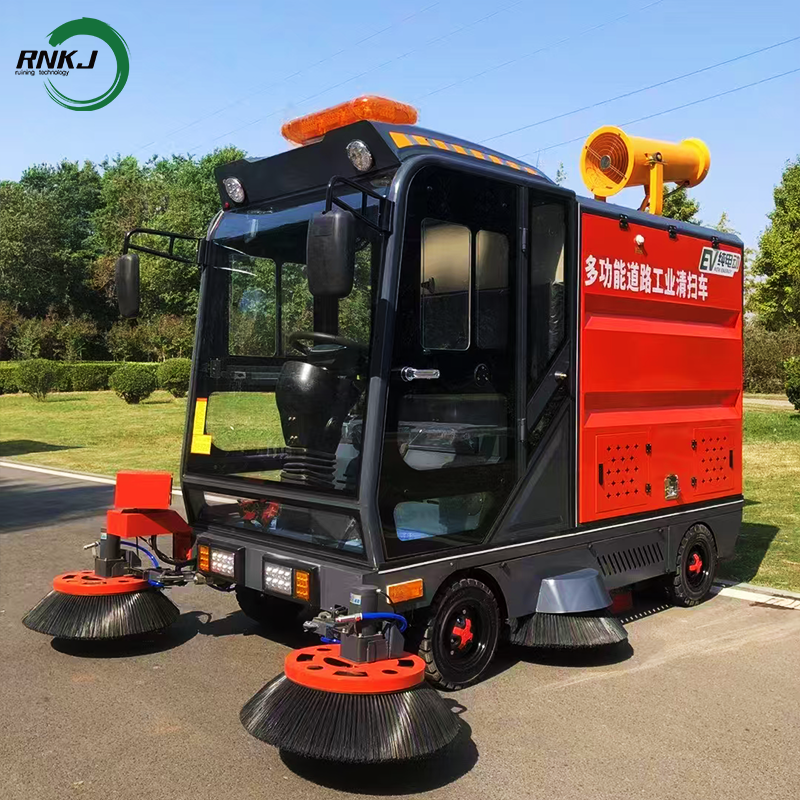
Choosing the right battery chemistry dictates daily operations. Lithium-ion technology offers significant operational advantages. They support opportunity charging during short breaks. They easily exceed 2,000 charge cycles. However, they require a larger initial resource commitment. AGM or Lead-Acid batteries demand strict maintenance routines. They suffer from lower cycle life generally. You must water Lead-Acid batteries regularly. Audit your facility's charging infrastructure early. You must ensure adequate ventilation for Lead-Acid charging stations.
| Feature | Lithium-Ion | Lead-Acid / AGM |
|---|---|---|
| Cycle Life | 2,000+ cycles | 500 - 800 cycles |
| Opportunity Charging | Highly Recommended | Strictly Prohibited |
| Maintenance Level | Zero Maintenance | High (Watering, Equalization) |
| Weight Profile | Lightweight | Very Heavy |
Motor durability determines machine survival in harsh environments. Check Ingress Protection (IP) ratings thoroughly. Drive motors need high resilience against dust ingress. Vacuum components must resist moisture effectively. You need enclosed, brushless motors for heavy-duty applications. Brushless motors run cooler and last longer. Exposed wiring harnesses fail quickly in industrial settings. Inspect the routing of all electrical cables.
Effective filtration dictates environmental compliance immediately. Multi-stage filtration handles fine particulates perfectly. HEPA filter options protect sensitive manufacturing environments. Automatic filter shakers prevent filter blinding during operation. They keep suction power completely consistent. Operators often forget manual shaker levers. Automatic systems eliminate this common human error. Good dust control prevents airborne particles from settling elsewhere.
Chassis construction determines physical survival completely. Industrial environments destroy fragile plastic frames rapidly. Look for solid steel frames specifically. Impact-resistant shrouds withstand accidental collisions safely. Rollers and corner bumpers protect the machine body. Flimsy access panels vibrate loose over time. Demand heavy-duty hinges on all machine doors. Your electric sweeper machine must endure daily abuse.
Choosing between walk-behind and ride-on units confuses many buyers. A walk-behind suits smaller, highly congested areas best. They navigate tight corners effortlessly. Facilities under 40,000 square feet usually prefer them. When should you upgrade? Facilities exceeding 50,000 square feet need bigger solutions. Wide open aisles demand ride-on efficiency.
An electric ride-on sweeper changes the productivity equation entirely. It reduces labor hours drastically. Operators cover significantly more ground quickly. You offset the higher initial equipment allocation through extreme efficiency. A task taking four hours manually drops to one hour. Reallocate your staff to more complex facility duties. Efficiency gains compound daily over the machine's lifespan.
Ride-on models reduce operator fatigue drastically. Comfortable operators maintain higher concentration levels. This improves overall productivity during long shifts. However, larger machines require stricter safety protocols constantly. Visibility checks become completely mandatory. Blind spots create severe warehouse hazards.
Install blue safety spotlights for blind intersections.
Mandate daily pre-operation brake and horn testing.
Train operators on proper emergency stop procedures.
Enforce speed limits in high-pedestrian zones.
Move beyond the initial specification sheet immediately. Evaluate the expected 3-to-5-year equipment lifecycle closely. Understand exactly how the machine consumes resources. Short-term thinking leads to long-term operational failures. Focus heavily on continuous operational availability. Machine downtime ruins facility productivity fast.
Request exact data on expected consumable wear rates. Ask about the lifespan of main sweeping brooms. Check side brush durability for your specific industrial floor sweeper machine. Evaluate vacuum filter replacement frequencies carefully. Abrasive surfaces destroy soft bristles rapidly. Order harder bristles for rough concrete.
| Component | Inspection Frequency | Expected Lifespan (Standard Use) |
|---|---|---|
| Main Cylindrical Broom | Weekly | 200 - 300 Hours |
| Side Rotary Brushes | Weekly | 100 - 150 Hours |
| Panel Dust Filters | Daily | 400 - 600 Hours |
| Rubber Squeegee Blades | Weekly | Flip at 50 Hours, Replace at 100 |
Maintenance accessibility determines machine longevity heavily. Look for tool-free brush changes specifically. Operators neglect machines requiring complex maintenance tools. Fast access ensures proper daily care routines. Filter bays should swing open easily. Battery compartments need clear overhead access. Complex maintenance procedures guarantee early equipment failure.
Energy usage provides another massive operational advantage. Daily charging consumes much less energy compared to alternatives. Fossil fuels require constant physical refills. Electric models streamline operational workflows seamlessly. They eliminate fuel storage safety hazards entirely. Monitor your charging patterns to optimize energy consumption daily.
Risk mitigation forms the foundation of smart procurement. The best machine fails eventually. A broken supply chain ruins operations immediately. You evaluate the vendor just as strictly as the machine. Poor post-sale support strands your equipment for months. Choose partners displaying proven operational stability.
Demand guaranteed Service Level Agreements (SLAs) always. Critical wear parts require rapid shipping commitments. Local technician availability prevents prolonged facility downtime. Ask vendors about their domestic parts inventory. Relying on overseas shipments for basic filters stalls operations. Reputable suppliers guarantee rapid consumable dispatch.
Enterprise buyers need specific equipment adaptations frequently. Standard models rarely fit complex facility layouts perfectly. Look for manufacturers offering comprehensive custom sweeper manufacturing support. You might need specialized non-marking tires. Unique debris requires custom brush bristles. Integrated telemetry tracks fleet performance accurately. Custom paint matches your corporate identity requirements. Strong engineering support proves a vendor's capabilities.
Read the warranty fine print very closely. Separate chassis terms from wearable components strictly. Chassis warranties often cover several years reliably. Battery warranties usually operate on a pro-rated basis. Brush and filter warranties rarely exceed a few months. Understand exactly what constitutes "normal wear and tear". Vague warranty language usually favors the manufacturer later.
Smart procurement requires a disciplined shortlisting logic. You must map your facility layout thoroughly first. Choose the right battery chemistry and machine size next. Evaluate the long-term resource usage precisely. Finally, vet the supplier and their support infrastructure rigorously. Following this sequence prevents costly procurement errors.
Never purchase based on a spec sheet alone. Action-oriented next steps protect your investment. Request an on-site equipment demo immediately. Demand a comprehensive facility audit from the vendor. Watch how the equipment handles your specific debris. See it navigate your actual layout smoothly. Direct observation reveals the true capability of any machine.
A: Cycle life varies heavily by chemistry. Well-maintained Lead-Acid batteries usually last three to five years. Advanced Lithium-ion batteries can easily last seven to ten years. Per-shift runtime typically ranges between three and six hours. Floor resistance and ramp inclines drain batteries faster.
A: Sweepers are primarily engineered for dry debris. Moisture ruins standard paper filters quickly. Some models feature damp-condition ratings and synthetic filters. However, routinely cleaning wet environments requires different equipment. We recommend exploring scrubber-sweeper combinations if you face constant liquid spills.
A: Reputable suppliers offer 24 to 48-hour shipping on common consumables. This includes main brushes, panel filters, and side brooms. Avoid brands lacking strong domestic parts distribution. Waiting weeks for basic replacement parts causes unacceptable operational downtime.


