
Views: 0 Author: Site Editor Publish Time: 2026-01-28 Origin: Site


Waste management is essential for keeping projects organized and efficient. Among various waste disposal options, skip bins and hook lift bins (or hook bins) are widely used. However, many find it difficult to differentiate between the two.
In this article, we will explore the key differences between skip bins and hook lift bins. You'll learn which bin is best suited for your specific waste disposal needs, whether you're handling a small residential cleanup or a large construction project.
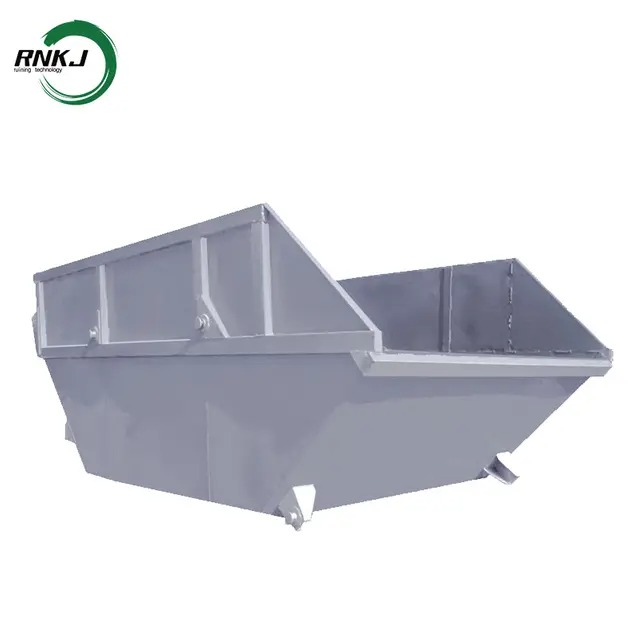
Skip bins are commonly used for smaller-scale cleanups, particularly in residential settings. They are compact and portable, making them ideal for home clean-outs and small renovation projects. These bins typically range from 2m³ to 12m³ and have a trapezoidal shape, allowing them to fit into tight spaces like driveways or narrow streets. In contrast to hook bins, skip bins are more easily maneuverable in residential areas due to their smaller size.
Feature | Skip Bin |
Size Range | 2m³ to 12m³ |
Shape | Trapezoidal |
Ideal for | Home clean-outs, small renovations, and garden waste |
Portability | High (easily moved in residential areas) |
Best Use | Residential clean-ups, small projects |
Loading | Typically top-loading |
Skip bins are lifted onto trucks using a hydraulic system with chains attached to the bin. This lifting mechanism is relatively simple and effective for smaller bins. However, it limits the amount of weight they can carry, especially for bulky or dense materials.
In comparison to hook bins, the skip bin loading mechanism is less efficient when it comes to larger or heavier waste, requiring more frequent handling or loading adjustments.
Skip bins are best suited for:
● Household clean-ups (e.g., garage or basement cleaning).
● Small renovations (e.g., kitchen or bathroom remodels).
● Green waste removal (e.g., yard waste).
● General household waste disposal.
If you're looking for a convenient, short-term waste solution for a small or moderate-sized project, skip bins are often the best option.
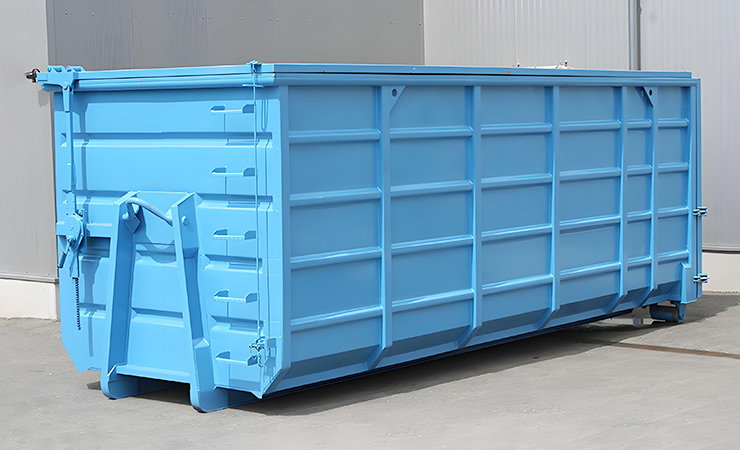
A hook bin, also known as a hook lift bin, is a larger and more durable waste container designed for handling heavy-duty waste. These bins are typically used in commercial and industrial settings, where high volumes of waste must be managed efficiently. Ranging from 4m³ to 30m³ in size, hook bins have a rectangular shape with straight walls, making them ideal for bulky, less compactable materials like construction debris, metal, and large furniture. The primary advantage of hook bins is their larger capacity, which makes them perfect for demanding tasks such as large construction or demolition projects.
Feature | Hook Bin |
Size Range | 4m³ to 30m³ |
Shape | Rectangular |
Ideal for | Commercial and industrial projects, heavy-duty tasks |
Best Use | Large construction, demolition, and industrial clean-ups |
Capacity | Larger capacity, ideal for bulky, dense materials |
Loading | Typically uses a hook lift system for efficient loading and unloading |
Unlike skip bins, hook bins are loaded onto trucks using a hydraulic hook system. The truck uses the hook to grab the bin and roll it onto the truck’s tray. This mechanism allows for quicker and safer handling of heavier loads, which is especially useful when dealing with large, bulky items like concrete, soil, or metal debris.
The hook lift system is more stable and efficient than the chain-based system of skip bins, particularly when lifting larger or heavier loads.
Hook bins are ideal for:
● Construction and demolition projects.
● Industrial clean-ups and waste disposal.
● Large-scale waste removal (e.g., soil, bricks, concrete).
● Handling bulky materials that require rear-door access.
If your project involves a high volume of waste or requires heavy-duty lifting, hook bins offer the capacity and efficiency necessary to get the job done quickly and safely.
● Skip Bins: Smaller and trapezoidal in shape, skip bins are easier to maneuver in tight spaces like residential driveways. Their size ranges from 2m³ to 12m³, making them suitable for household or light commercial use.
● Hook Bins: Larger and rectangular, hook bins typically range from 4m³ to 30m³ and are better suited for larger projects. Their straight walls make them easier to stack and load bulky materials.
● Skip Bins: Lifted onto trucks using chains and hydraulic arms. This method is slower and more cumbersome, especially for larger loads.
● Hook Bins: Use a hydraulic hook system, which rolls the bin onto the truck's tray. This method is faster and more stable, especially when handling heavier materials.
● Skip Bins: Best for lighter, smaller waste loads. These bins can handle household waste, small construction debris, and green waste but may struggle with dense or bulky items.
● Hook Bins: Designed to handle large, heavy, and dense waste loads, such as concrete, metal, and bricks. Their larger capacity allows them to manage high volumes of heavy waste with ease.
● Skip Bins: Typically feature top-loading, which makes them easy to fill but less convenient when dealing with large or heavy items. Some models offer small drop-down ramps, but they don't provide full walk-in access.
● Hook Bins: Feature a full rear access door, allowing for walk-in loading. This makes them much easier to load with heavy machinery or manually using a wheelbarrow.
Feature | Skip Bin | Hook Bin |
Design & Size | Smaller, trapezoidal (2m³ to 12m³) | Larger, rectangular (4m³ to 30m³) |
Loading Method | Chains and hydraulic arms | Hydraulic hook system |
Capacity & Weight | Best for lighter, smaller loads | Handles large, heavy, dense materials |
Access | Top-loading | Rear access door for walk-in loading |
● Heavy, Dense Waste: For materials like concrete, soil, or bricks, hook bins are the better choice. Their larger capacity and robust design can handle these heavy loads more efficiently than skip bins.
● Lighter, Bulkier Materials: If you're dealing with lighter waste like timber, plasterboard, or packaging, hook bins are more suitable, especially since they can handle higher volumes and provide easy access for larger materials.
Skip bins are ideal for residential areas or places with limited space, such as narrow streets or driveways. Their compact size offers greater flexibility in tight spaces. On the other hand, hook bins require more space for truck access, making them better suited for larger commercial or industrial sites.
Feature | Skip Bin | Hook Bin |
Ideal Location | Residential, tight spaces | Commercial or industrial sites |
Space Requirements | Requires less space (driveways, narrow streets) | Requires more space for truck access |
Flexibility | High flexibility in placement | Limited flexibility in tight spaces |
Skip bins are typically more cost-effective for short-term, small-scale projects. They’re an excellent choice for homeowners or small businesses with limited budgets and quick timelines. On the other hand, hook bins tend to be more expensive but offer long-term savings by handling larger loads and reducing the frequency of bin swaps, which ultimately saves time.
Feature | Skip Bin | Hook Bin |
Cost | More economical for short-term projects | Higher upfront cost, but cost-effective for large projects |
Best for | Homeowners, small businesses, quick tasks | Large projects with bigger loads and longer timelines |
Efficiency | Less efficient for high volumes | More efficient, fewer bin swaps needed |
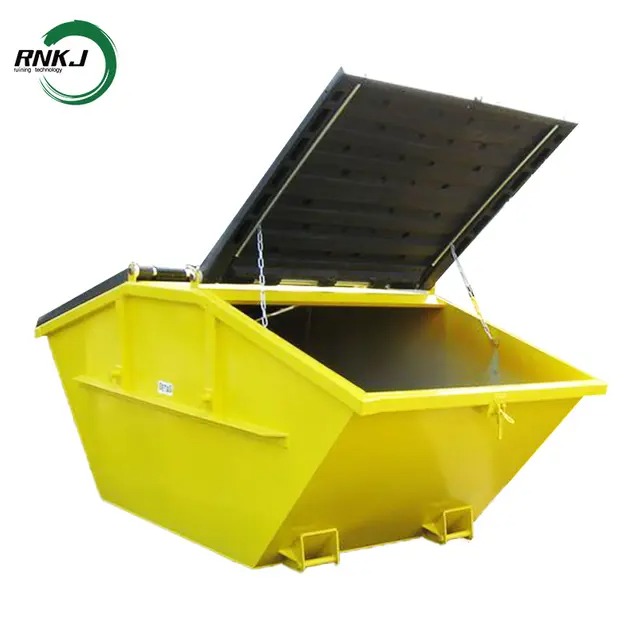
● Never Overfill: Ensure that waste does not exceed the rim of the bin. This is crucial for safe transportation.
● Load Evenly: To prevent waste from shifting during transport, load the bin evenly.
● Hazardous Waste: Avoid placing hazardous materials, such as chemicals, asbestos, or liquids, in the bins.
Hook bins require significant space for truck maneuvering—about 15 meters in length and 6 meters in height—making them ideal for larger, more open sites. In contrast, skip bins require much less space, usually around 3 meters, offering more flexibility for placement in residential or tight locations.
Feature | Skip Bin | Hook Bin |
Space Required | 3 meters | 15m x 6m |
Placement Flexibility | High | Low |
Best Use | Residential | Commercial |
Hook bins require more room for movement and repositioning because of their larger size. Skip bins, however, are easier to move around in tight spaces, making them more versatile for small residential projects.
Feature | Skip Bin | Hook Bin |
Movement | Easy to move | Requires more space |
Flexibility | High | Low |
Best Use | Small projects | Larger projects |
Choosing between skip bins and hook bins depends on project size, waste type, and available space. Skip bins are perfect for smaller, residential tasks, while hook bins handle large-scale, heavy-duty projects like construction. For bulky, heavy waste or large capacities, hook lift bins offer the best efficiency. For smaller jobs, skip bins provide flexibility and cost-effectiveness.
Shandong RNKJ Environmental Technology Co., Ltd. offers reliable waste management solutions, ensuring your project runs smoothly with the right bin for every need.
A: A Skip Bin is smaller, typically used for residential tasks, while a Hook Lift Bin is larger and designed for heavy-duty, commercial projects. Hook lift bins offer higher capacity and are ideal for bulky waste.
A: Use a Hook Lift Bin for large, heavy-duty projects, like construction or demolition. Skip Bins are best for smaller tasks like home clean-ups or garden waste.
A: Yes, Hook Lift Bins generally cost more due to their larger size and heavier lifting capabilities. Skip Bins are more affordable for smaller, short-term projects.
A: If you have a small project with lighter waste, a Skip Bin is sufficient. For larger, more challenging tasks with heavy waste, like concrete, a Hook Lift Bin is a better choice.
A: Skip Bins are suitable for smaller debris but may not handle large construction waste as effectively as a Hook Lift Bin. For heavy or bulky materials, a Hook Lift Bin is recommended.
A: Hook Lift Bins are ideal for heavy-duty materials such as concrete, bricks, soil, and metal. Their large capacity allows them to handle bulky, dense waste more efficiently than Skip Bins.


