Views: 0 Author: Site Editor Publish Time: 2025-07-25 Origin: Site


As businesses generate increasing amounts of waste every day, efficient waste management has become a critical part of operational success. A Trash Compactor is one of the most effective solutions for reducing waste volume, lowering disposal costs, and improving workplace cleanliness.
From retail stores and hotels to manufacturing plants and distribution centers, the Trash Compactor has become an essential piece of equipment in commercial and industrial waste handling systems. By compressing waste materials into a smaller volume, a Trash Compactor helps businesses save space, reduce transportation frequency, and comply with environmental regulations.
This article explores the most common commercial and industrial applications of Trash Compactor systems and explains why they are a valuable investment for modern organizations.
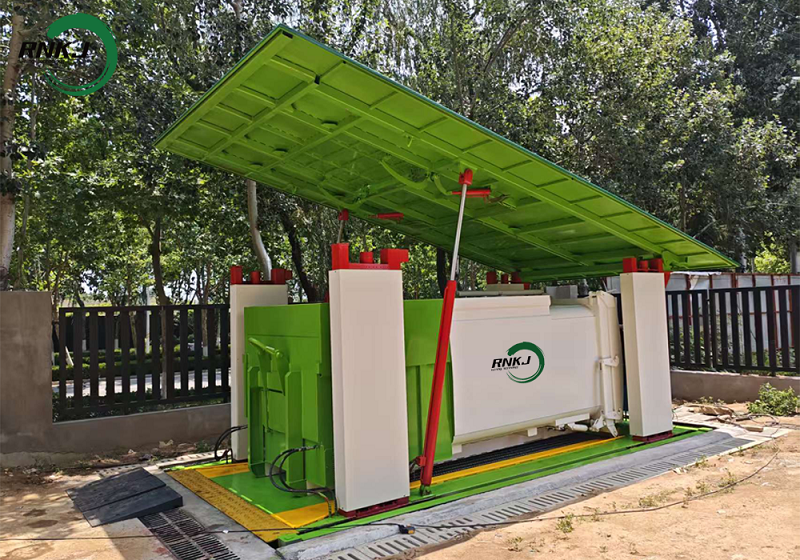
A Trash Compactor is a machine designed to compress solid waste materials into a smaller and denser form. By applying hydraulic pressure, the equipment significantly reduces the volume of garbage, making storage, handling, and transportation more efficient.
Depending on the application, businesses can choose from various types of Trash Compactor equipment, including:
Each type is designed to meet specific waste management requirements.
Retail businesses generate large amounts of packaging waste, cardboard, plastic films, and general refuse.
A Commercial Trash Compactor helps shopping malls, supermarkets, and retail stores:
Reduce waste volume by up to 80%
Minimize dumpster overflow
Improve cleanliness around waste collection areas
Lower waste hauling expenses
Enhance customer experience through cleaner surroundings
For busy retail environments, installing a Trash Compactor can significantly improve operational efficiency.
Cardboard boxes
Plastic packaging
Shrink wrap
Food packaging
Mixed municipal waste
Hotels produce substantial waste from guest rooms, restaurants, kitchens, and housekeeping operations.
A Trash Compactor helps hospitality businesses:
Manage daily waste efficiently
Reduce unpleasant odors
Prevent pest infestations
Lower waste collection frequency
Improve sustainability initiatives
Many modern hotels integrate Trash Compactor systems into their environmental management programs to support green building certifications.
Large office buildings generate paper waste, packaging materials, disposable food containers, and general refuse.
Installing a Trash Compactor offers:
Reduced waste storage requirements
Cleaner waste collection rooms
Lower operational expenses
Improved sustainability performance
Many property management companies view Trash Compactor equipment as a long-term investment that delivers continuous cost savings.
Manufacturing plants generate substantial amounts of production waste, including:
Cardboard
Plastics
Scrap materials
Packaging waste
General industrial refuse
An Industrial Trash Compactor helps manufacturers:
Optimize waste handling operations
Improve facility organization
Reduce disposal costs
Increase workplace safety
By compressing waste at the source, factories can reduce the number of waste collection trips required each month.
Modern warehouses process thousands of shipments daily, generating large volumes of packaging waste.
A Trash Compactor is widely used in:
Logistics centers
E-commerce fulfillment warehouses
Distribution hubs
Shipping facilities
Advantages include:
Reduced waste storage area
Improved workflow efficiency
Lower transportation expenses
Better inventory space utilization
As e-commerce continues to expand, demand for warehouse Trash Compactor solutions continues to grow.
Food processing facilities often deal with packaging waste, organic waste, and production by-products.
A Wet Refuse Trash Compactor is commonly selected because it can manage wet waste while minimizing leakage and odor.
Key benefits include:
Enhanced sanitation
Improved compliance with food safety standards
Reduced pest attraction
Lower waste disposal costs
Food manufacturers rely heavily on Trash Compactor systems to maintain operational cleanliness.
Construction projects generate substantial waste materials throughout every phase of development.
Common waste includes:
Packaging materials
Wood scraps
Plastic materials
Drywall debris
General construction waste
A portable Trash Compactor helps contractors:
Keep job sites organized
Reduce waste transportation frequency
Improve worker safety
Lower disposal costs
Construction companies increasingly adopt Trash Compactor technology to support sustainable building practices.
Recycling operations use Trash Compactor equipment to process recyclable materials before transportation.
Applications include:
Plastic recycling
Paper recycling
Cardboard processing
Municipal recycling centers
Benefits include:
Higher transportation efficiency
Reduced fuel consumption
Lower carbon emissions
Increased recycling profitability
A properly designed Trash Compactor improves overall recycling logistics.
One of the biggest advantages of a Trash Compactor is its ability to reduce waste volume by up to 80%.
This means:
Fewer waste pickups
Lower disposal fees
Reduced labor requirements
A Trash Compactor can dramatically lower waste management expenses through:
Fewer transportation trips
Lower landfill charges
Reduced labor costs
Improved operational efficiency
Many businesses achieve a rapid return on investment after installing a Trash Compactor.
Loose waste piles create safety hazards.
Using a Trash Compactor helps:
Reduce clutter
Prevent trip hazards
Improve site organization
Enhance employee safety
Businesses are increasingly focused on sustainability.
A Trash Compactor contributes by:
Reducing transportation emissions
Supporting recycling programs
Minimizing landfill usage
Improving waste segregation
This helps organizations meet environmental objectives.
Waste storage areas often consume valuable facility space.
By installing a Trash Compactor, businesses can:
Free up storage capacity
Improve workflow
Increase operational efficiency
This is especially important in urban environments where space is limited.
When selecting a Trash Compactor, businesses should consider:
Different waste streams require different compactor designs.
Higher waste generation typically requires larger-capacity equipment.
Available space will influence the choice between vertical, stationary, or self-contained models.
Some systems are designed for hook-lift trucks, roll-off trucks, or front-load collection vehicles.
Outdoor installations may require weather-resistant Trash Compactor solutions.
A Trash Compactor is an indispensable waste management solution for commercial and industrial operations. Whether used in retail stores, hotels, hospitals, warehouses, manufacturing plants, food processing facilities, or recycling centers, a Trash Compactor helps organizations reduce waste volume, lower disposal costs, improve workplace safety, and support sustainability goals.
As waste management regulations become stricter and operational efficiency becomes increasingly important, investing in a high-quality Trash Compactor is a smart decision for businesses seeking long-term cost savings and environmental responsibility.
For companies looking to optimize waste handling and transportation, modern Trash Compactor systems offer a reliable, efficient, and environmentally friendly solution.