
Views: 0 Author: Site Editor Publish Time: 2025-11-22 Origin: Site


When it comes to urban planning, municipalities and developers are increasingly focusing on creating sustainable, efficient, and environmentally-friendly cities. Waste management plays a crucial role in this vision, especially as cities grow and waste volumes increase. One of the most innovative solutions in modern urban waste management is the Underground Collection System. This system not only ensures better waste classification and management but also integrates seamlessly into urban environments, saving space and reducing pollution. In this article, we will explore how these systems work, their benefits, and how to effectively integrate them into urban planning.
As cities face growing waste management challenges, classification stations—especially those integrated with underground systems—are becoming essential components of modern waste infrastructure. These stations play a key role in achieving sustainability goals by improving waste separation at the source.
Source-Separation is Becoming Regulation/Expectation
Increasingly, governments and environmental organizations are mandating waste separation. The push for recycling and waste diversion means that separating materials like paper, plastics, and organic waste at the source has become a regulatory requirement in many regions. Underground Garbage Classification Collection Stations make this process more efficient by providing dedicated spaces for different waste streams, facilitating easier sorting and processing. This not only helps meet regulatory requirements but also drives higher recycling rates and better waste diversion.
Urban Developers Need Efficient, Low-Footprint Waste Solutions
Urban areas are becoming more congested, and space is a valuable commodity. Developers need solutions that are not only effective but also space-efficient. Underground Garbage Classification Collection Stations provide the ideal solution. These systems are compact, fitting seamlessly into urban landscapes without occupying valuable above-ground space. As cities continue to grow, these systems help maintain aesthetic quality while ensuring efficient waste management.
An Underground Garbage Classification Collection Station is a modern waste management unit designed to allow for easy segregation of waste, all while being hidden from sight. These systems are part of a broader Underground Collection System designed to make waste management more efficient, hygienic, and environmentally friendly.
Definition & Typical Components
An underground garbage classification collection station typically consists of several key components: street-level access units, underground containers, and advanced sensor systems. Waste is deposited through the access unit, where it is automatically sorted into different waste streams—such as recyclables, organic waste, and general trash—before being stored in large, sealed underground containers. The use of sensors ensures that the containers are filled optimally and can be emptied when needed.
How it Interacts with Underground Storage & Transport Systems
The waste collected in the classification station is transported to underground storage units, where it is securely stored until collected. Specialized vehicles are used to retrieve and transport the waste, minimizing the need for traditional garbage trucks. This integration reduces traffic congestion, lowers emissions, and eliminates the common issues associated with street-level waste bins, such as overflowing and odors. By combining waste classification with underground storage, these systems streamline the entire waste management process, making it more efficient and environmentally friendly.
Integrating an Underground Garbage Classification Collection Station into urban planning requires careful consideration of several factors. Successful implementation depends on proper planning and coordination between urban developers, waste management teams, and municipal authorities.
Site Selection & Underground Utilities
The first step in integrating an underground system is selecting the right location. This involves considering existing underground utilities such as water pipes, gas lines, and electrical cables. Proper site assessment ensures that the system can be installed without disrupting existing infrastructure. Additionally, the location of the collection stations should be strategically placed to ensure easy access for both users and waste collection vehicles.
Traffic Flows, Pedestrian Access, Maintenance Vehicles
A crucial consideration in urban integration is ensuring that traffic flows are not disrupted. Waste collection points should be placed in areas that are easily accessible by maintenance vehicles without causing congestion. Pedestrian access is also important, as people need to dispose of waste easily. Designing systems with user-friendly access points and ensuring that collection vehicles can operate efficiently is essential for the system’s success.
Compatibility with Architectural/Landscape Design
To maintain the aesthetic integrity of urban environments, Underground Garbage Classification Collection Stations must be designed to blend in with the overall architectural and landscape design. This includes selecting materials and colors that match the surroundings and ensuring that the system is visually unobtrusive. By seamlessly integrating the system into the urban landscape, municipalities can enhance both functionality and the visual appeal of public spaces.
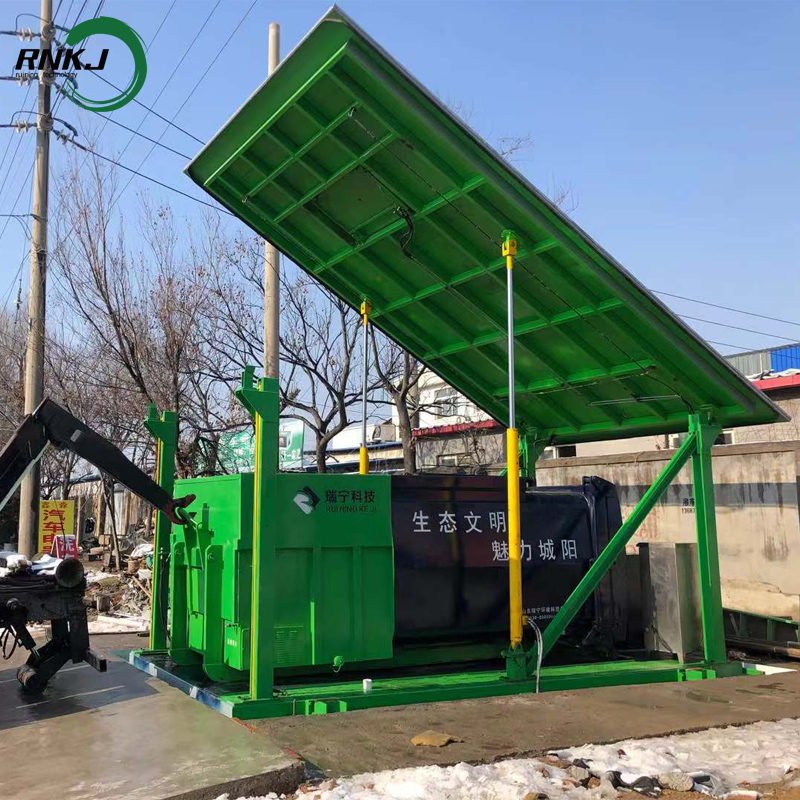
Designing an effective underground waste classification system involves selecting the right technical and operational features to optimize performance and efficiency.
Waste Streams: General, Recyclables, Organics
The core of any classification station is its ability to segregate waste into different streams. Underground Garbage Classification Collection Stations should be designed to handle general waste, recyclables, and organic materials separately. This ensures that each waste type is processed appropriately, improving recycling rates and supporting municipal waste reduction goals.
Sensor Systems, Monitoring, Fill-Level Alerts
Modern Underground Collection Systems incorporate advanced sensor systems that monitor the fill levels of underground containers. These sensors send real-time alerts to waste management teams when containers are full, ensuring that the system operates efficiently and waste is collected promptly. This technology helps prevent overflow, reduces unnecessary collection trips, and ensures a cleaner environment.
Service Lifts/Truck Hooks, Liftouts
The mechanical components of underground systems, such as service lifts and truck hooks, play an essential role in ensuring smooth waste collection. These systems allow waste containers to be easily lifted and transported to collection vehicles. Ensuring that these components are easy to operate and maintain is crucial for the success of the system.
Shandong RNKJ provides expert solutions for the design and implementation of Underground Garbage Classification Collection Stations. With years of experience in the sanitation and environmental protection industry, Shandong RNKJ is a trusted partner in creating sustainable and efficient waste management solutions.
Tailored Design, from Concept to On-Site
At Shandong RNKJ, we offer fully customized solutions to meet the specific needs of each municipality or commercial zone. From initial concept design to on-site installation, our team ensures that the system is optimized for each unique environment. We work closely with local authorities and developers to ensure that the system fits seamlessly into the urban fabric.
Case Studies / Global Footprint
With over 8,000 units installed globally, Shandong RNKJ has a proven track record in delivering reliable and efficient underground waste collection systems. Our solutions have been implemented in cities around the world, contributing to cleaner, more sustainable environments.
While the benefits of underground waste systems are clear, their successful implementation requires addressing several common challenges.
Initial Cost Hurdles – Showing ROI
The initial cost of installing an underground waste system can be a barrier for many municipalities. However, the long-term savings in labor, truck traffic, fuel costs, and environmental impact make the investment worthwhile. Shandong RNKJ helps municipalities assess the return on investment (ROI) and demonstrates how underground systems can lead to significant cost savings over time.
Public/User Acceptance & Signage
For underground waste systems to succeed, public acceptance is crucial. Proper signage and public education campaigns can help residents understand the importance of waste classification and encourage proper use of the system. Shandong RNKJ assists municipalities in developing these educational initiatives to ensure smooth adoption of the new system.
Maintenance Planning & Long-Term Durability
Maintaining an underground waste system is essential for ensuring its longevity and effectiveness. Shandong RNKJ provides ongoing maintenance support, including regular inspections and proactive repairs, to ensure that the system continues to function efficiently for years to come.
Integrating an Underground Garbage Classification Collection Station into urban planning is a smart solution for modern waste management. These systems provide efficient, environmentally-friendly waste segregation and collection while preserving valuable urban space. By choosing Shandong RNKJ, municipalities and developers can ensure that their waste management systems are not only effective but also sustainable and cost-efficient. Early planning, strategic design, and the right partnership with a trusted provider like Shandong RNKJ are crucial for maximizing the benefits of this innovative system. For more information about how our solutions can transform your waste management infrastructure, please don’t hesitate to contact us.
1. What is an Underground Garbage Classification Collection Station?
An Underground Garbage Classification Collection Station is a waste management system designed to separate and store different types of waste below ground. It is part of a larger Underground Collection System that improves waste segregation, reduces visual pollution, and enhances city aesthetics.
2. How does waste get classified in these systems?
Waste is separated into different streams—general waste, recyclables, and organics—at street level before being transported underground for storage and later collection.
3. What are the main benefits of integrating Underground Garbage Classification Collection Stations into urban planning?
These systems help improve waste segregation, reduce truck traffic, save space, and minimize the environmental impact of waste management. They also contribute to cleaner, more sustainable cities.
4. How can Shandong RNKJ assist in implementing these systems?
Shandong RNKJ offers tailored design, installation, and ongoing support to ensure the successful integration of Underground Garbage Classification Collection Stations into urban environments.


