
Views: 942 Author: Site Editor Publish Time: 2025-11-03 Origin: Site


In modern commercial and residential settings, managing waste efficiently is more than a regulatory requirement—it's a practical necessity. Many businesses face limited backroom space while contending with rising disposal costs. A Vertical Waste Compacting Station provides a solution by using vertical compression to reduce waste volume efficiently. Unlike traditional horizontal compactors, this system compacts waste from top to bottom, maximizing storage while minimizing the footprint required. This article explores how vertical waste compactors can save space, reduce operational costs, and improve cleanliness, while providing practical guidance on types of waste, installation, and ROI considerations.
By reading this article, you will understand the mechanics behind vertical compactors, their key components, ideal applications, and the benefits they provide. Additionally, you’ll learn which environments benefit most from vertical compression, how to match compactor size to your daily waste volume, and how these systems support environmental sustainability. Whether you manage a supermarket, office, or apartment complex, this guide will provide the insights needed to optimize your waste management strategy and make informed decisions about your facility’s sanitation solutions.
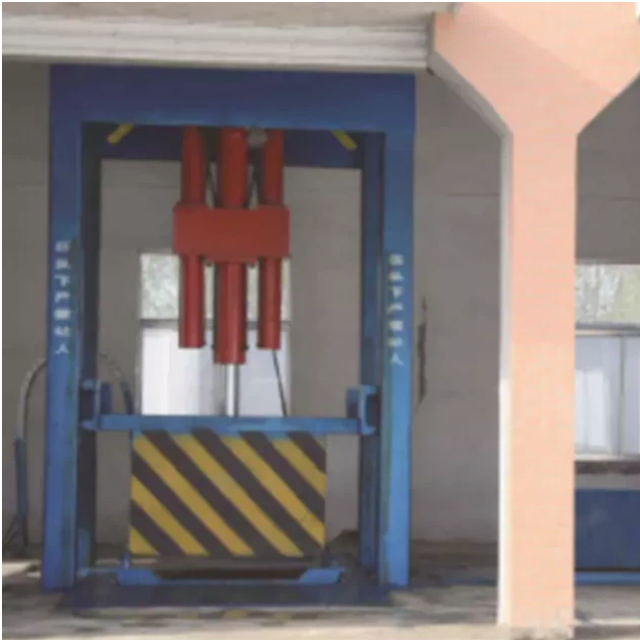
A Vertical Waste Compacting Station is a robust waste management solution designed to compress waste downward into a container using a vertical ram. Vertical compression involves applying force from the top of the waste container to reduce its volume, allowing for more efficient storage. This top-to-bottom compaction contrasts with horizontal compactors, which push waste sideways and require more floor space.
Vertical compactors are particularly suitable for facilities with limited backroom areas, loading docks, or service corridors, as they utilize overhead space rather than extensive floor area. These stations are designed for mixed waste streams, including dry and some wet waste, and provide a safer, cleaner alternative to standard dumpsters. Their enclosed design also minimizes the risk of spillage and odors, making them a practical choice in urban and indoor environments.
Ram: The main hydraulic mechanism that compacts waste vertically. It ensures consistent pressure for efficient compaction.
Container: A heavy-duty container that collects compacted waste and can be easily swapped or transported for disposal.
Control Panel: Provides operational commands, including start, stop, and emergency functions, with intuitive user controls.
Safety Interlocks: Ensures the machine cannot operate while the door is open or during maintenance, preventing accidents and ensuring compliance with safety standards.
Vertical compactors come in a range of sizes suitable for small to medium facilities. While their footprint is minimal, ceiling height must accommodate the vertical ram. Standard units can fit in spaces where horizontal compactors would be impractical, making them ideal for backrooms, narrow corridors, and compact loading areas. Some models even allow modular stacking or multi-unit installations to handle increasing waste volumes without compromising floor space.
Vertical compactors offer numerous advantages over traditional waste collection methods:
Space Savings
By using vertical space, these compactors free up floor area for operational use. This makes them ideal for small backrooms, offices, and retail spaces where every square foot counts. With proper placement, even tight corridors can accommodate a full-capacity compactor.
Reduced Pickup Frequency & Lower Hauling Costs
Because waste is compacted efficiently, fewer containers need to be removed each week. This reduces hauling costs and allows waste management schedules to be more flexible, freeing staff time for other operational tasks.
Cleaner Site & Odor Control
Enclosed compaction systems minimize exposure to waste, keeping storage areas cleaner and reducing odors and pest issues. This benefit extends to resident satisfaction in apartments and customer perception in retail spaces.
Simpler Installation & Lower Upfront Costs
Compared to large horizontal units, vertical stations are easier to install and require less construction or remodeling. For facilities with limited budgets, this lower initial investment makes vertical compactors an attractive choice.
Versatility
Suitable for mixed dry waste streams, vertical compactors can handle cardboard, plastics, and packaging materials efficiently. Some units can even accommodate wet or food waste with proper liners, allowing multi-purpose usage in mixed commercial settings.
Safety and Operational Simplicity
Safety interlocks and single-operator controls make vertical compactors easy and safe to use, reducing labor requirements and improving compliance with occupational safety regulations.
Fewer pickups not only reduce operational costs but also lower transportation emissions, contributing to a greener, more sustainable waste management strategy. By reducing overall waste volume, vertical compactors also help facilities minimize landfill contributions and support recycling initiatives.
Vertical compactors are well-suited for:
Supermarkets
Small-to-medium apartment buildings
Offices
Restaurants
However, facilities with extremely high waste volumes or throughput needs may benefit more from horizontal compactors due to faster processing capabilities and higher container capacity.
Estimating your daily waste volume helps determine the appropriate model and size. Facilities generating moderate volumes can often meet needs with a compact vertical unit, while larger sites may require multiple units or hybrid systems. Consulting with experts ensures proper sizing to avoid underutilization or overflow issues.
Vertical compactors can manage:
Dry waste: cardboard, plastics, packaging
Wet/food waste: only with appropriate liners
Avoid: hazardous, medical, or prohibited waste
Practical tips include pre-sorting, bagging, and avoiding contamination to maintain compactor performance. Pairing a vertical compactor with a baler or separate recycling stream ensures effective waste segregation and recycling compliance. Regular monitoring and staff training can further optimize compactor efficiency and reduce downtime.
Investing in a vertical compactor involves balancing capital expenditure (CAPEX) against operating costs (OPEX):
CAPEX: Equipment and installation costs
OPEX: Pickup fees, maintenance, electricity
ROI is achieved through fewer pickups, reduced labor, lower disposal fees, and reclaimed operational space. Facilities often recover the initial investment within months due to decreased handling and hauling requirements. Long-term savings include reduced container purchases and minimized disruption to daily operations.
Routine maintenance includes:
Checking hydraulics and seals
Inspecting container handling mechanisms
Regular cleaning to prevent buildup and maintain performance
Scheduling periodic professional inspections to ensure compliance and durability
Facilities with limited upfront budgets may consider rental options, which offer flexibility and lower initial costs while still providing the operational benefits of vertical compression. For businesses expecting to scale, purchase ensures ownership and full customization potential.
Site Requirements: Adequate ceiling height, service doors, electrical supply
Safety Features: Interlocks, emergency stop, lock-out tags
Permits: Check local regulations and obtain necessary approvals
Proper planning ensures a smooth installation and safe, compliant operation. Consideration of staff training, waste flow, and space layout is essential for optimal performance.
When selecting a station, consider:
Ram force and cycle time
Container size and footprint
Service and spare parts availability
Warranty and supplier experience
A well-specified compactor ensures long-term reliability, reduces downtime, and enhances overall operational efficiency.
Installation support and training
After-sales service availability
Spare parts lead times
Example A: A busy supermarket installed a vertical compactor and reduced waste pickups by 50%, reclaiming valuable backroom space for storage and operational use. Staff also noted improved workflow efficiency and fewer odor complaints.
Example B: A mid-sized apartment building replaced hallway bins with a vertical station, improving resident satisfaction by eliminating odors and cluttered waste areas. Staff reported cleaner hallways and a safer environment for residents.
How much floor space does a vertical compactor save?
Vertical compactors use overhead space efficiently, requiring significantly less floor area than horizontal units.
Can vertical compactors handle wet food waste?
Yes, with proper liners, vertical compactors can manage some wet or food waste safely.
How often do I need maintenance?
Routine checks every few weeks and regular hydraulic servicing will maintain peak performance.
A Vertical Waste Compacting Station provides an effective solution for businesses and residential facilities seeking to optimize space, reduce waste disposal costs, and maintain cleaner, safer environments. By leveraging vertical compression, these stations allow fewer pickups, lower hauling expenses, and a more efficient waste management process. RNKJ Environmental Technology Co., Ltd., with decades of experience and a commitment to quality, offers reliable, safe, and high-performance vertical compactors for global clients. To explore tailored solutions for your facility and receive a free consultation, contact us today for professional advice and assistance in implementing a cleaner, more efficient waste management system.


