
Views: 0 Author: Site Editor Publish Time: 2025-09-22 Origin: Site


You want fewer trash trips, right? A Bucket Trash compactor helps by squeezing your garbage tightly, making it denser. This means you fit more trash in each bag. You get less waste volume and more space in your bin.
You empty the trash less often.
You save time and effort.
A Bucket Trash compactor can make trash smaller by up to 80%. This lets you put more trash in each bag. - If you use a compactor, you will take out trash less often. This saves you time and effort. You also spend less money on trash bags. - If you take care of your compactor and sort your trash right, it works better. This helps your compactor run well.
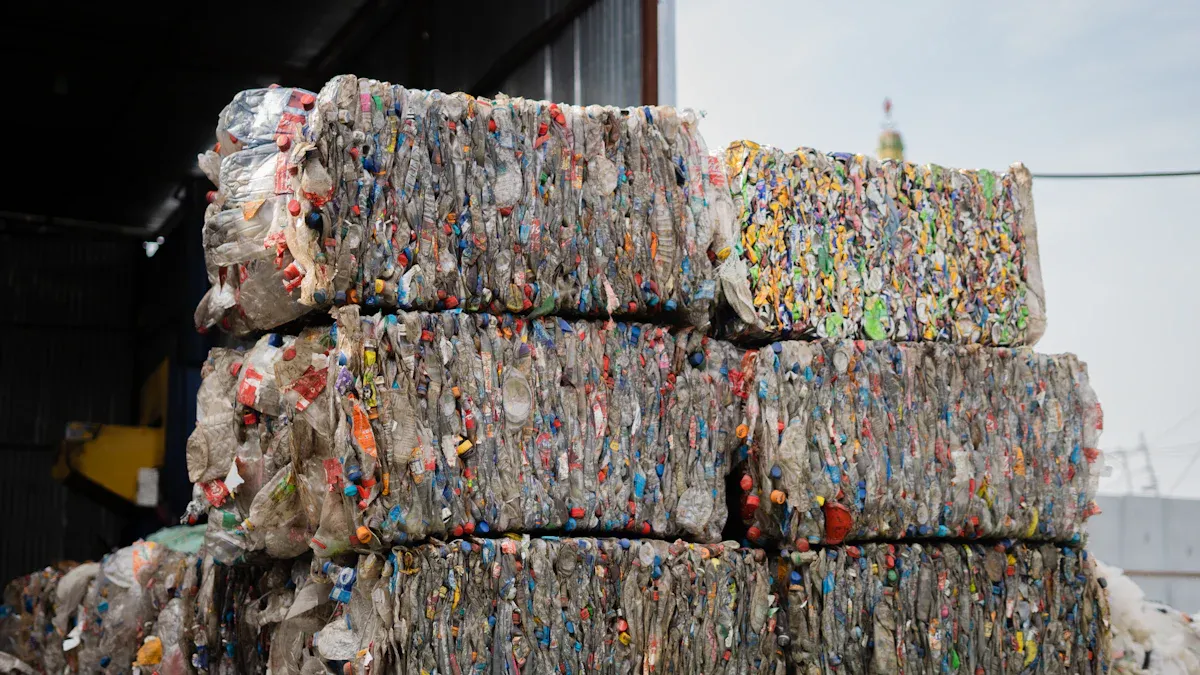
When you use a Bucket Trash compactor, you put your waste inside a special chamber. The machine uses a strong ram, powered by a hydraulic motor, to press down on the trash. This action squeezes the garbage tightly, making it take up less space. Here’s a quick look at the main parts that do the work:
| Component | Description |
|---|---|
| Ram | Pushes down and compresses your trash. |
| Hydraulic Motor | Moves the ram with strong force, like a car piston. |
| Compression Chamber | Holds your waste while it gets compacted. |
| Hydraulic Pump | Creates the power that lets the ram press hard against the trash. |
You just pull a handle or press a button, and the compactor does the rest. It’s simple and safe for most households.
A Bucket Trash compactor can really shrink your trash pile. Some models, like the Titan 30L, let you fit up to three times more waste in the same bin. For lighter trash, you might see a compaction ratio as high as 6 to 1. Heavier items may get a 3 to 1 ratio. On average, these machines can cut your trash volume by up to 75%. That means you take out the trash less often, but remember—compacted bags will feel heavier when you lift them.
Tip: If you want fewer trash trips, a Bucket Trash compactor helps you fit more into every bag.
You probably want to know if a Bucket Trash compactor really means fewer trips to the dumpster or curb. The answer is yes, for most households and businesses. When you use a compactor, you squeeze your trash down so it takes up less space. Some models can reduce waste volume by up to 80%. That means you can fit much more garbage into each bag or bin.
Let’s look at a simple example. If you usually fill three bags a week, a compactor with a 4:1 compression ratio could cut that down to just one bag. You save time, energy, and even money on trash bags. Many users say they only need to take out the trash once a week instead of every other day. That’s a big change for busy families or workplaces.
"I used to take out the trash every night. Now, with my Bucket Trash compactor, I only do it twice a week. It’s a game-changer!" — Sarah, homeowner
Not every home or business will see the same results. Several things affect how well a Bucket Trash compactor works for you. Here’s a table that breaks down the most important factors:
| Factor | Impact on Effectiveness |
|---|---|
| Volume Reduction | Reduces waste volume by up to 80%, freeing up space and improving efficiency. |
| Hygiene Maintenance | Minimizes overflow and mess, reducing pest attraction and keeping things clean. |
| Odor Control | Keeps smells inside, making your kitchen or workspace more pleasant. |
| Cost Savings | Fewer trips mean lower hauling fees and landfill charges. |
| Sustainability | Helps lower your carbon footprint and supports recycling efforts. |
The type of trash you throw away also matters. Some waste compresses better than others. Here’s a quick look at how different trash types stack up:
| Type of Waste | Compression Ratio |
|---|---|
| Food service waste | 3:1 to 4:1 |
| Retail packaging waste | 5:1 to 8:1 |
| Mixed commercial waste | 3:1 to 5:1 |
| Standard general waste | 4:1 to 6:1 |
If you have lots of packaging or dry waste, you’ll see bigger savings. Wet waste, like food scraps, compresses less but still helps cut down trips. The size of your household or business also plays a role. Larger families or busy restaurants get more value from a compactor.
Note: Local waste collection rules can affect how much you benefit. In cities with limited space or strict pickup schedules, compactors help you fit more into each collection.
Let’s break down the good and the not-so-good sides of using a Bucket Trash compactor.
Pros:
You make fewer trash trips, saving time and effort.
You use fewer bags, which means less plastic waste.
Your kitchen or workspace stays cleaner and smells better.
You save money on hauling and disposal fees.
You get more space in your bin or dumpster.
You help the environment by reducing landfill trips and emissions.
You lower the risk of spills and pests.
Cons:
Compacted bags are heavier and harder to lift.
You need special trash bags, which cost more than regular ones.
If you don’t separate your waste, you might run into disposal problems.
Maintenance is important. If you skip it, your compactor can break down.
Some users report bad smells after several compressions.
You must follow safety rules to avoid injuries.
Not all compactors handle wet waste well. Some work best with dry trash.
Tip: Regular cleaning and maintenance keep your compactor working safely and smoothly. Always use the right bags and avoid putting batteries or flammable items inside.
Many users say the benefits outweigh the drawbacks, especially for larger households or businesses. If you have limited space or want to cut down on trash trips, a Bucket Trash compactor can make a big difference.
A bucket trash compactor really can cut your trash trips if you use it right. Before you buy, think about your space, trash amount, and budget.
Keep up with regular maintenance
Sort your waste
Load the compactor evenly
These steps help you get the most out of your compactor.
You can empty your trash bag less often. Most people find they only need to take out the trash once or twice a week.
Tip: Compacted bags get heavier, so lift with care!
You need special heavy-duty bags. Regular bags might tear or leak when you compact the trash.
Look for bags labeled “compactor-safe” for best results.
You can compact wet waste, but it may not shrink as much. Wet trash can also cause odors, so clean your compactor often.


