
Views: 0 Author: Site Editor Publish Time: 2025-10-21 Origin: Site


Urban waste management is becoming increasingly complex. With dense residential complexes, bustling commercial centers, and large institutional facilities generating significant amounts of trash daily, conventional above-ground bins and frequent waste collection often fall short. Streets cluttered with overflowing bins, unpleasant odors, and frequent vehicle trips not only disrupt public spaces but also increase operational costs. For site planners and facility managers seeking a reliable, high-capacity solution, the Underground Horizontal Garbage Compressor offers a modern answer, combining efficiency, discretion, and continuous waste handling.
An underground horizontal garbage compressor is a heavy-duty waste management system installed below ground, designed to handle large volumes of waste with a horizontal compaction mechanism. Waste is pushed into a removable container, maximizing storage capacity while keeping public areas clean and safe. This article delves into how these systems operate, their practical benefits, ideal applications, selection criteria, installation considerations, and overall return on investment. By the end, you will understand whether an underground horizontal system is the right fit for your site, enabling more informed planning and operational efficiency.
At its core, an underground horizontal garbage compressor is a below-grade waste management system that uses a horizontal ram to compress and push trash into a detachable container. Unlike vertical compactors that compress waste downward, horizontal systems provide continuous feed, high throughput, and significant space savings. This makes them ideal for high-volume sites where efficient, discreet waste management is essential. Horizontal compression ensures that even peak waste loads can be handled smoothly, without overflowing or interrupting daily operations.
Horizontal Ram: The core of the system, this heavy-duty mechanism applies force to compact waste horizontally into the container.
Hydraulic System: Provides the power to the ram, ensuring consistent compression cycles even under heavy load.
Underground Pit: Houses the compressor and container, concealing waste from view while protecting it from external elements.
Removable Container: Facilitates easy collection and transportation of compacted waste.
Sensors and Controls: Monitor fill levels, safety interlocks, and cycle completion for reliable, automated operation.
Horizontal compression allows for continuous feed from multiple input points, maintaining steady processing of waste without frequent downtime. Compared to vertical compactors, which often require batch loading and can overflow in busy periods, underground horizontal systems handle high volumes efficiently, reducing collection frequency and minimizing labor and vehicle trips. This throughput capability is particularly valuable in sites with fluctuating waste volumes or sustained high output, such as commercial districts and large residential developments. Additionally, the continuous operation reduces wear on collection vehicles and streamlines overall site logistics, which contributes to long-term cost efficiency.
Installing an underground horizontal garbage compressor delivers numerous operational and environmental advantages. Here are six of the most compelling benefits:
Space Savings & Cleaner Streets
By storing waste below ground, visible clutter is eliminated, freeing up street space for pedestrians, vehicles, and public amenities. Streets and shared areas remain cleaner, contributing to a more pleasant urban environment. Reduced on-street storage also allows for landscaping or public seating areas in previously cluttered spaces.
Odor and Pest Control
Sealed underground containers minimize exposure to air, reducing odors and deterring rodents or insects. This is especially beneficial in densely populated areas where hygiene is critical. The enclosed design also limits the impact of wind-blown debris and keeps local environments cleaner.
Reduced Collections and Operational Costs
High compaction ratios reduce the volume of waste transported per collection. Fewer trips translate into lower fuel, labor, and truck maintenance costs, improving overall operational efficiency. Sites with limited collection windows benefit greatly from these systems, as pickups can be planned around operational needs rather than daily volume peaks.
Improved Safety and Fire Risk Reduction
Enclosed systems limit human contact with waste and reduce exposure to potentially combustible materials. This mitigates fire hazards and enhances worker safety during waste handling. Furthermore, controlled access minimizes accidental injury from unauthorized tampering.
Aesthetics and Urban Planning Advantages
Concealed waste storage supports modern streetscapes, making it easier for city planners and property developers to maintain visually appealing public spaces without sacrificing functionality. These systems contribute to a more sustainable and professional appearance for commercial and residential environments.
Suitability for High-Volume Sites
Unlike many vertical compactors, horizontal systems are designed for continuous feeding and large throughput, making them ideal for multi-tower residential developments, shopping malls, and municipal transfer stations. Their scalability allows multiple feed points to service extensive sites without additional surface space.
Selecting the right site for an underground horizontal system is crucial for maximizing its advantages. These compressors excel in locations with high daily waste volumes and limited surface space.
Urban residential complexes often generate large amounts of household waste across multiple buildings. Limited street access and confined outdoor spaces make underground horizontal compressors an optimal solution, allowing continuous collection without disrupting daily life or aesthetic appeal. Residents benefit from reduced odors, less visible clutter, and safer surroundings.
High-footfall commercial areas and shopping centers produce significant packaging and food waste. Horizontal compression ensures waste is efficiently compacted and stored, reducing pickup frequency and keeping retail spaces welcoming for customers. Retail managers also benefit from lower waste handling costs and improved operational planning.
Municipal waste transfer stations, hospitals, and universities handle considerable volumes of diverse waste. Underground horizontal systems enhance transfer efficiency, maintaining throughput while providing secure and odor-free storage. These systems can also streamline sorting and recycling processes, supporting sustainability initiatives.
For very small sites or areas with tight underground constraints, horizontal compressors may not be practical. In such cases, smaller vertical or indoor compactors can provide an appropriate, space-efficient alternative. Careful site evaluation ensures the chosen system aligns with operational needs and physical constraints.
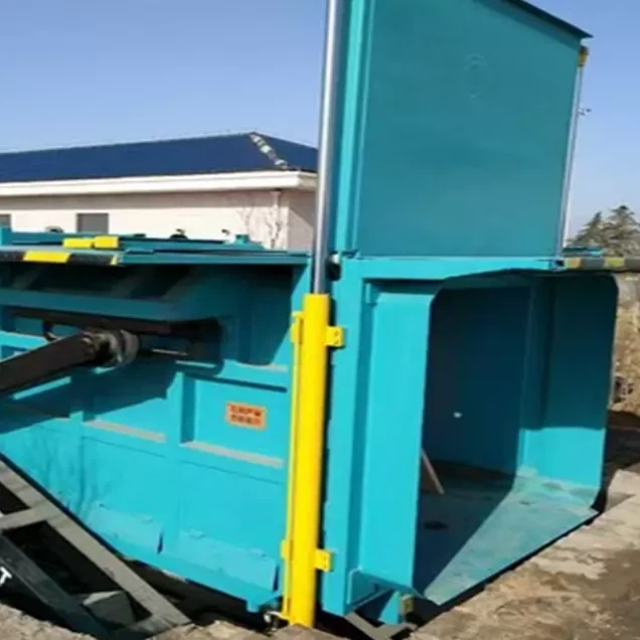
Selecting the appropriate underground horizontal garbage compressor requires careful consideration of capacity, throughput, and site-specific operational needs.
Estimate daily waste volume, peak load periods, and desired compaction ratios. Choosing a system with appropriate storage and compaction capabilities ensures it can handle your site’s maximum requirements without downtime. Overestimating capacity slightly provides flexibility for seasonal or event-related waste spikes.
The hydraulic system determines how effectively the horizontal ram compacts waste and how quickly cycles can be completed. Systems with robust hydraulics maintain consistent performance even under continuous heavy use. Reliable hydraulics also minimize unexpected maintenance and extend system longevity.
Removable container sizes should match local hauling equipment to avoid logistical inefficiencies. Compatibility ensures smooth operations and reduces the risk of delayed collections. Modular container options allow for scalability as waste volume changes.
Safety interlocks, photo-eyes, emergency stops, and lockout mechanisms are essential for protecting personnel and preventing accidents during waste handling and maintenance. Properly engineered safety systems reduce liability and enhance compliance with local regulations.
Consider access for maintenance, parts availability, and warranty support. Reliable local service ensures your system remains operational, minimizing downtime and avoiding costly interruptions. Easy-to-service designs reduce labor requirements and simplify routine inspections.
Installing an underground horizontal garbage compressor involves site preparation, proper construction, and integration with existing utilities.
Excavation for the underground pit, a solid concrete base, drainage provisions, and electrical/hydraulic connections are essential for stable and safe operation. Access covers and surface integration ensure the unit is discreet and compliant with local regulations. Thoughtful site design prevents water infiltration, which could compromise hydraulic components.
Installation coordination with civil works, including excavation, concrete curing, and system commissioning, typically takes several weeks. Proper planning with contractors ensures minimal disruption and timely project completion. Early coordination with waste haulers helps streamline container exchanges and optimize collection schedules.
Regular checks include hydraulic fluid levels, seal condition, safety interlocks, and container handling equipment. Preventive maintenance prolongs equipment life and maintains consistent performance. A maintenance log helps operators track service intervals and anticipate part replacements.
Avoid poor drainage, undersized hauler agreements, and skipping safety training. Proper site design, clear operational protocols, and staff training reduce operational risks and ensure system longevity. Documented procedures also help staff respond quickly to any unexpected issues.
While upfront investment in an underground horizontal garbage compressor is significant, the return on investment is realized through operational efficiency and reduced recurring costs.
Fewer Collections: High compaction reduces the number of waste pickups required.
Labor Savings: Automated feeding and compaction lower personnel requirements for manual handling.
Reduced Truck Trips: Fewer collections decrease fuel consumption, maintenance, and vehicle wear.
Extended Container Life: Durable, removable containers reduce replacement frequency and handling time.
By evaluating your site-specific waste generation and collection costs, you can quantify the monetary and non-monetary benefits of investing in an underground horizontal solution. Efficient planning often allows sites to reallocate labor and fleet resources to other operational priorities.
For high-volume residential, commercial, or municipal sites, the Underground Horizontal Garbage Compressor represents a powerful, discreet, and efficient waste management solution. Its horizontal compression mechanism allows continuous feed and high throughput, reducing collection frequency, improving safety, controlling odors, and enhancing street aesthetics. RNKJ Environmental Technology’s experience in designing and supplying these robust systems ensures reliable performance and long-term value. For projects seeking modern, space-saving waste solutions, horizontal compression offers measurable operational and environmental benefits.
Contact us today for a free site consultation and discover how an underground horizontal garbage compressor can transform your waste management strategy and enhance operational efficiency.


