
Views: 0 Author: Site Editor Publish Time: 2026-05-25 Origin: Site


Upgrading your waste management infrastructure requires a significant capital expenditure. You must carefully assess your operational needs before investing heavily. Standard commercial equipment handles basic retail refuse easily. However, it quickly fails under extreme operational demands. Facilities managing dense scrap or relentless schedules need robust solutions. Heavy-duty industrial models step in where standard units break down. They deliver massive crushing force for stubborn materials. We built this comprehensive guide to help you decide. We provide a concrete evaluation framework for your specific facility. You will learn how waste volume, material type, and operational tempo dictate equipment choices. Operations teams often struggle to identify the exact tipping point for new machinery. By the end of this guide, you will know exactly when your operations necessitate a heavy-duty upgrade. You can then confidently plan your site improvements and avoid costly mistakes.
Standard compactors fail under the stress of dense materials (wood, metal, heavy plastics) or continuous cycle demands, leading to costly downtime.
Justifying a heavy-duty upgrade requires analyzing specific volume thresholds, hauling frequency costs, and payload optimization.
Sourcing a reliable industrial compactor manufacturer is critical for ensuring compliance, proper site integration, and long-term serviceability.
Implementation success depends on upfront site preparation, including electrical capacity, concrete pad specifications, and hauler compatibility.
Volume Thresholds: Standard units process loose trash and lightweight packaging well. When volumes scale, these machines struggle to keep up. High-tonnage industrial output demands thicker steel and stronger hydraulics. We see standard systems buckle when pushed beyond their engineered limits. You reach a critical breaking point when daily volumes exceed two to three tons. At this level, standard cylinders cycle too frequently. They suffer from rapid seal degradation. You must switch to industrial models to handle continuous waste flows safely.
Material Density and Resistance: Industrial waste contains notoriously non-compressible materials. Wooden pallets, scrap metals, and rigid plastics fight back against the ram face. Equipment fatigue sets in rapidly under these stresses. Ram guides wear out prematurely, causing uneven compaction. You need a robust trash compactor to conquer these materials effectively. It applies extreme pressure without warping structural components. Watch out for standard hoppers denting under heavy impacts. Heavy-duty machines utilize reinforced steel floors to withstand constant material abrasion.
Cycle Frequency and Motor Burnout: Standard hydraulic systems need adequate rest between cycles. If you run them continuously, hydraulic fluid overheats rapidly. This excessive heat causes pump failure and catastrophic motor burnout. Continuous-duty motors elegantly solve this operational issue. They feature advanced cooling systems and oversized fluid reservoirs. You can run them non-stop during peak production shifts. This prevents costly operational downtime when you need equipment most. Always monitor your hydraulic temperature gauges during heavy shifts.
Hauling Inefficiencies: Weak compaction ratios actively waste your operational money. Standard machines leave hidden air pockets inside the receiver container. You end up paying waste haulers to haul air across town. Inflated logistical costs drain your facility budget unnecessarily. High-pressure systems maximize payload density through sheer force. They pack significantly more tonnage into every single box. You significantly reduce your hauling frequency and lower carbon emissions. This strategy immediately improves your monthly operational bottom line.
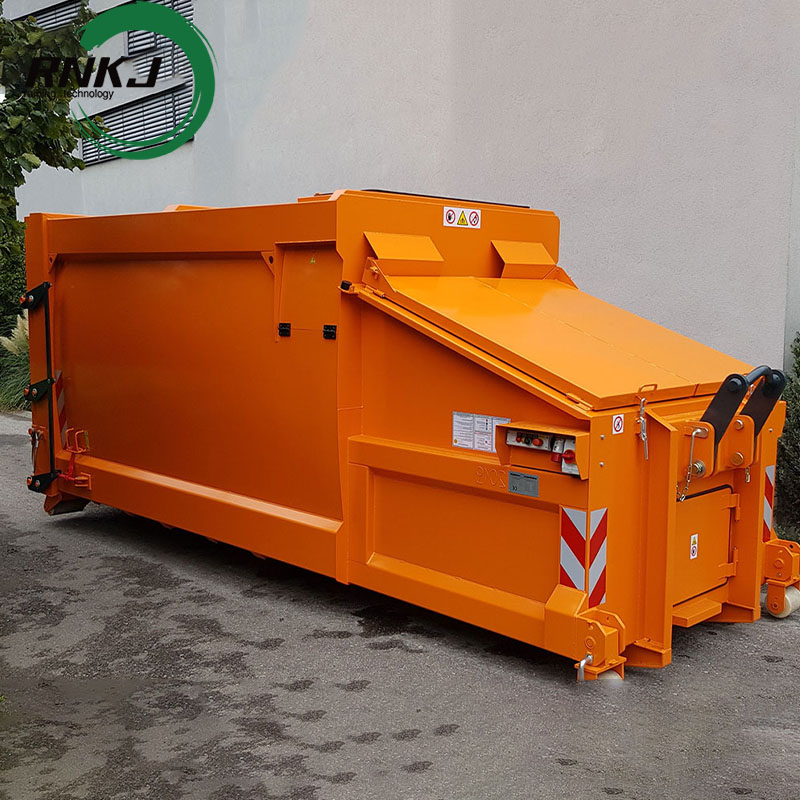
Factories generate massive amounts of waste every single day. Production scrap and rigid dunnage accumulate fast on the shop floor. Industrial byproducts consume valuable floor space rapidly. You must remove them quickly to keep assembly lines moving efficiently. A heavy duty garbage compactor handles this rigorous demand easily. These environments strictly require continuous equipment operation. Machines must align perfectly with 24/7 manufacturing shifts. Robust cylinders crush thick, unforgiving materials effortlessly. You maintain clear, safe workspaces around the clock. Overburdened standard compactors simply halt production when they inevitably jam.
MSW transfer stations manage chaotic, high-traffic environments daily. They process unpredictable, high-throughput mixed-waste streams constantly. Standard equipment cannot handle this varied and heavy mix. You need a Custom municipal waste compactor to tame the immense volume. Transfer stations seamlessly integrate compactors with heavy mobile machinery. Operators use large front-end loaders and tippers to feed the massive hopper. The system must process dozens of tons of garbage per hour. It maximizes legal payload limits for long-haul transport trailers. This keeps municipal transfer operations flowing smoothly and profitably.
Logistics hubs face a relentless corrugated cardboard onslaught daily. They manage massive influxes of cardboard boxes and heavy shrink wrap. Broken wooden pallets also pile up quickly near loading docks. Warehouse floors must remain absolutely clear of debris. Blocked aisles violate strict fire codes and slow down forklift operators. Hubs urgently need automated conveyor-fed systems for peak efficiency. They deliver waste materials directly into the massive charge box. Electric photo-eyes automatically trigger compaction cycles when the chamber fills. You eliminate manual loading bottlenecks entirely and optimize labor.
Purchasing industrial machinery requires precise, technical specifications. You must evaluate technical capabilities carefully before issuing purchase orders. We outline the core evaluation dimensions clearly below.
| Technical Feature | Standard Commercial Compactor | Heavy-Duty Industrial Compactor |
|---|---|---|
| Hydraulic System Pressure | Under 2,000 PSI (Intermittent) | 3,000+ PSI (Continuous) |
| Electric Motor Type | Intermittent Duty (Prone to heat) | Continuous Duty (Fan-cooled) |
| Structural Plate Thickness | 1/4 inch mild steel | 1/2 to 3/4 inch high-tensile steel |
| Ideal Waste Stream Match | Mixed office paper, retail refuse | Pallets, metal scrap, rigid plastics |
| Average Cylinder Size | 4 to 5 inches diameter | 6 to 8 inches diameter |
Hydraulic Force and Penetration Depth: Compaction force directly determines payload density. We translate cylinder size and PSI ratings into practical field results. Larger cylinders deliver superior crushing power against dense objects. Deep ram penetration pushes materials further into the attached receiver box. It forcefully eliminates spring-back from resilient materials like rigid plastics. You achieve maximum legal container weights consistently. This directly yields substantial hauling cost reductions month after month. Always verify the normal operating pressure versus the maximum shock pressure.
Hopper and Charge Box Sizing: Dimensional size matters greatly for workflow efficiency. You must match physical hopper dimensions to your largest waste items. If the hopper is too small, materials bridge across the narrow opening. This causes frustrating jams and halts all disposal activity. Operators waste valuable labor time manually clearing dangerous blockages. A properly sized charge box swallows oversized items whole. We recommend measuring your largest typical scrap piece before finalizing specifications.
Loading Configurations: Carefully evaluate your specific facility layout and labor allocation. You can choose basic manual loading for simpler, low-volume setups. High-volume sites often use sophisticated chute-fed or cart-tipper systems. Conveyor integration offers the absolute best automation for large spaces. You simply drop waste onto a moving belt, and it does the rest. Choose the loading method that fits your daily workflow best. Incorrect loading configurations often create dangerous pinch points for workers.
Safety and Compliance Standards: Industrial environments pose serious physical risks to employees. You must ensure strict OSHA and ANSI standard compliance. Interlock systems strictly prevent physical access during ram operation. Emergency stops must remain highly visible and instantly accessible. Proper operator training protocols keep your dedicated team safe. Equipment should feature prominent lock-out/tag-out points for maintenance technicians. Ignoring these critical safety features drastically increases liability and insurance premiums.
Selecting the right vendor partner dictates your long-term success. You need much more than just a basic steel fabricator. Finding a reliable industrial compactor manufacturer guarantees proper site integration. They understand the nuances of extreme industrial environments.
Custom Engineering Capabilities: Off-the-shelf equipment solutions rarely fit complex sites perfectly. Assess the manufacturer's internal engineering depth and flexibility. They must confidently design site-specific hoppers, chutes, and security doghouses. Specialized weather enclosures protect valuable equipment from harsh elements. They should easily engineer robust custom municipal waste enclosures. Tailored designs expertly prevent debris spillage and contain unpleasant odors. Ask them to provide 3D CAD drawings of the proposed layout.
Post-Installation Service SLAs: Mechanical breakdowns halt production immediately. You need robust post-installation service agreements to protect your facility. Evaluate their specific warranty terms closely before signing. Ask about comprehensive preventative maintenance programs. Guaranteed rapid response times for localized service technicians are absolutely vital. You cannot wait several days for a critical service visit. Fast repairs keep your entire supply chain moving without interruption.
Track Record and Verifiable Evidence: Never buy expensive machinery blindly based on glossy brochures. Demand concrete proof of reliability and longevity. Request verifiable evidence before finalizing any heavy-duty equipment contracts. Follow these specific verification steps to ensure vendor credibility:
Ask for detailed case studies highlighting similar operational environments and waste types.
Conduct thorough reference checks with current facility managers actively using the equipment.
Inquire specifically about the machine's performance handling your exact waste streams.
Verify the actual uptime percentage formally reported by their active enterprise clients.
Examine their history of compliance with local environmental and safety regulations.
Installing massive industrial machinery deliberately disrupts daily facility operations. Implementation success depends entirely on rigorous upfront site preparation. You must actively manage several critical factors before the delivery truck arrives. Failing to prepare the site properly leads to costly installation delays.
Electrical and Power Requirements: Heavy-duty power units pull serious electrical amperage upon startup. Assess your current phase and voltage availability extremely early. Most industrial machines strictly require three-phase, 480-volt electrical service. Standard single-phase retail power will absolutely not suffice for industrial motors. You might need costly, time-consuming transformer upgrades from your utility provider. Consult a licensed commercial electrician during the earliest project planning stages.
Structural Footprint and Concrete Specifications: These powerful machines exert immense physical force during operation. They require specialized, engineered foundations to remain safely anchored. Navigating complex structural requirements is critical for long-term stability. Key concrete pad specifications include the following necessary elements:
A reinforced concrete pad depth of at least 6 inches, utilizing 3,000 PSI minimum concrete.
Embedded steel guide islands to align heavy hauling trucks perfectly during container swaps.
Sufficient physical overhead clearances for safe driver maneuvering and container lifting.
Properly engineered drainage slopes to manage contaminated liquid runoff effectively and legally.
Embedded steel anchor plates positioned precisely to match the compactor's footprint.
Hauler Contract Alignment: You must communicate proactively with your contracted waste haulers. Ensure they currently possess compatible heavy-duty receiver boxes. Heavy-duty units pack dense materials extremely tight. The resulting boxes become incredibly heavy and difficult to move. Ensure prospective haulers possess the correct, high-capacity truck hoist systems. If their standard trucks lack necessary lifting capacity, your full container stays stranded. You must confirm receiver box latch compatibility before final installation.
Change Management: Introducing new machinery fundamentally changes daily operational routines. You must guide your staff carefully through this transition period. Implement comprehensive training sessions on new loading procedures and restrictions. Reinforce strict safety protocols around the dangerous mechanical pinch points. Assign specific maintenance workers to conduct rigorous daily equipment checks. They should inspect hydraulic fluid levels, check hoses for leaks, and clear debris from the ram tracks. Proper change management drastically reduces the risk of early equipment damage.
Upgrading to a heavy-duty model represents a highly strategic operational decision. It is far more than just a basic procurement purchase. You seamlessly integrate a vital mechanical asset into your production workflow. Standard commercial units inevitably fail when subjected to severe industrial abuse. The right industrial equipment significantly optimizes your operational budgets. You easily achieve this through drastically reduced hauling fees and minimized mechanical downtime. Ensure your specific site meets all electrical and structural prerequisites before scheduling installation. Partner closely with your chosen manufacturer and waste hauler for a truly seamless rollout. We highly recommend scheduling a comprehensive site and waste stream audit immediately. This remains the most crucial next step before requesting official equipment proposals.
A: A standard commercial compactor typically lasts 7 to 10 years under normal conditions. Heavy-duty industrial models boast a lifespan of 12 to 15 years, even in highly demanding environments. Regular preventative maintenance, such as routine hydraulic fluid flushes and cylinder inspections, extends this lifespan significantly.
A: Calculate your current monthly hauling costs and labor hours spent managing waste. Compare this against the projected hauling frequency reduction resulting from higher compaction ratios. Factor in the eliminated maintenance costs from repairing overstressed standard units. The break-even point typically occurs within 18 to 36 months.
A: Yes, many custom models feature versatile dual-purpose capabilities. Manufacturers can engineer transfer stations with specialized hoppers and variable pressure settings. This allows operators to process municipal solid waste and dense single-stream recyclables interchangeably without damaging the equipment or cross-contaminating the material streams.
A: You generally need a 3,000 PSI reinforced concrete pad, roughly 10 feet wide by 40 feet long. The site requires robust 3-phase electrical power, typically 480 volts. You must also ensure a 50-foot clear approach path for collection trucks to safely load and unload heavy receiver boxes.


