
Views: 0 Author: Site Editor Publish Time: 2026-01-21 Origin: Site


Hook lift bins are essential for transporting large volumes of waste and materials, especially in industries like construction, demolition, and waste management. These specialized containers utilize a hydraulic system for efficient loading and unloading.
In this article, we will explore how hook lift bins work, their key features, and the advantages they offer in various industries. You will also learn how to choose the right hook lift bin for your needs and operate it safely.
A hook lift bin is a heavy-duty container used to transport waste, debris, and materials. It operates with a hydraulic hook lift system, which makes loading, unloading, and transportation easier compared to traditional methods. Unlike smaller skip bins, hook lift bins have a larger capacity and can handle a wider range of bulky and heavy materials, such as concrete, scrap metal, and construction waste.
The hook lift mechanism consists of a hydraulic arm attached to a truck that lifts and moves the bin. The bin is equipped with a hook attachment point, which ensures it is securely lifted and transported. This system eliminates the need for external machinery like cranes or forklifts, making it a cost-effective solution for heavy-duty material transport.
Hook lift bins are designed with several key features that make them an ideal choice for heavy-duty material transport. These features ensure durability, flexibility, and ease of operation, providing efficient solutions across various industries. Below are the main features of hook lift bins:
Feature | Detail |
Durability | High-strength steel for long-lasting use and low maintenance. |
Variety of Sizes | Sizes range from 5 to 40 cubic meters for various needs. |
Specialized Attachment Point | Front attachment point for smooth loading and unloading. |
● Waste Management: These bins are essential for efficiently transporting large volumes of waste, such as municipal solid waste, construction debris, and recyclable materials.
● Transporting Bulk Materials: Industries such as agriculture, mining, and manufacturing benefit from the versatility of hook lift bins, which can handle bulk materials like soil, gravel, and raw materials.
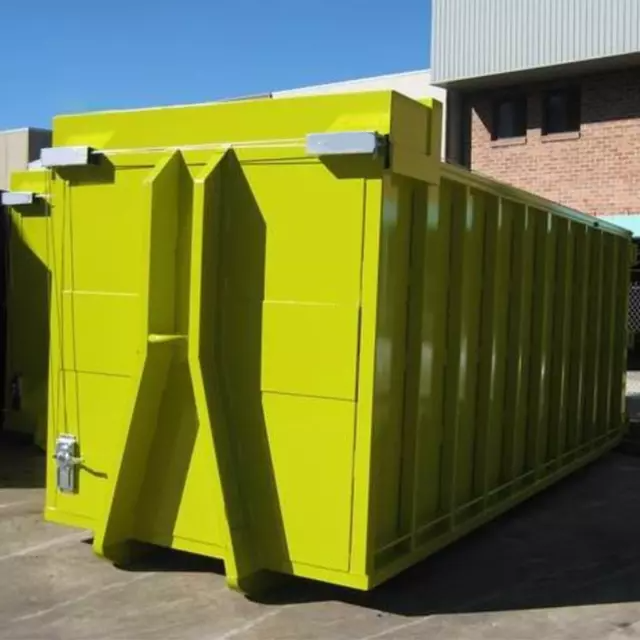
The operation of a hook lift bin follows a straightforward process:
Step 1: Hook Attachment: The truck reverses toward the bin, and the hydraulic arm extends to hook onto the bin's attachment point. Once connected, the hydraulic system retracts, pulling the bin toward the truck.
Step 2: Lifting and Securing: As the hydraulic arm pulls the bin, it tilts upward, sliding it onto the truck's bed. Some trucks have automatic locking mechanisms to secure the bin in place during transport.
Step 3: Unloading: Upon reaching the destination, the unloading process is reversed. The hydraulic arm tilts the bin backward, lowering it gently to the ground.
This method of loading and unloading ensures efficiency, as it minimizes the time spent on each task.
The hydraulic system of a hook lift bin is the core component that powers the entire operation. The hydraulic arm is capable of lifting and pulling the bin using the power generated by the truck's engine. The truck's guide rails help align the bin during loading, while the hook mechanism securely attaches to the bin, ensuring safe transportation.
This system reduces the need for manual labor and other machinery, making the entire process faster and more cost-effective. It also helps avoid potential damage to materials or waste, ensuring safer handling.
Hook lift bins are available in different configurations to meet the specific needs of various industries. Below are the two main types of hook lift bins:
Type | Description |
Open-Top Containers | Ideal for large debris like construction waste, providing easy access for loading and unloading. |
Enclosed or Covered Bins | Used for sensitive materials, such as hazardous waste or recyclables, to prevent spillage during transport. |
Choosing the right type depends on the material being transported and the specific requirements of the project.
● Quick Loading and Unloading: The hydraulic hook lift system allows for fast and efficient loading and unloading, reducing manual labor and downtime. This leads to improved productivity and faster turnaround times on projects.
● Better Site Management: With the ability to transport large quantities of waste and materials in fewer trips, hook lift bins improve site management and reduce congestion in high-traffic areas.
● Construction and Demolition: Hook lift bins can handle large amounts of construction debris such as concrete, metal, and timber, making them indispensable for construction and demolition projects.
● Waste Management: These bins are widely used by municipal and private waste management companies to transport large volumes of waste to disposal or recycling centers.
● Agriculture: For farmers and agricultural operations, hook lift bins make it easier to transport bulk materials like soil, manure, and crops efficiently.
The hook lift system reduces the need for expensive equipment like cranes and forklifts, cutting operational costs. The increased capacity of hook lift bins also means fewer trips are required for transporting large amounts of material, which results in further cost savings.
Advantages | Key Points |
Increased Efficiency | Quick loading/unloading, improved productivity. |
Versatility Across Industries | Used in construction, waste management, agriculture. |
Cost-Effectiveness | Reduces need for expensive equipment, fewer trips. |
In construction and demolition projects, hook lift bins are essential for clearing large quantities of debris, rubble, and other waste. Their ability to transport heavy materials, such as concrete and scrap metal, makes them highly suitable for large-scale projects.
Hook lift bins play a crucial role in waste management by providing an efficient solution for transporting municipal waste, recyclables, and bulk items. Their large capacity allows waste management companies to streamline their operations and improve overall efficiency.
For agricultural operations, hook lift bins are useful in transporting bulk materials like soil and fertilizer. Similarly, manufacturing industries use them to handle scrap materials and waste products, improving their logistics and waste management systems.
In mining and quarrying, hook lift bins are used to transport extracted materials such as rocks, ores, and minerals. Their robustness and high load capacity ensure the safe and efficient movement of heavy materials.
Industry | Primary Use | Key Materials Handled | Benefits |
Construction and Demolition | Handling large debris | Concrete, metal, timber | Efficient waste removal, heavy material transport |
Waste Management and Recycling | Transporting waste and recyclables | General waste, recyclables | Streamlined operations, large volume capacity |
Agriculture and Manufacturing | Moving bulk materials | Soil, fertilizer, scrap materials | Efficient bulk transport, reduced downtime |
Mining and Quarrying | Transporting extracted materials | Rocks, ores, minerals | High load capacity, safe transport of heavy materials |
When selecting a hook lift bin, it is essential to choose the right size based on the volume of material or waste you need to transport. Sizes typically range from 5 to 40 cubic meters. For large construction projects, larger bins are ideal, while smaller bins work best for residential or light commercial use.
Choosing the correct bin type is essential. Open-top bins are suitable for bulky, easy-to-load materials, while enclosed bins are better for waste that needs to be contained during transport. Consider the material type when selecting your bin.
Ensure that the hook lift bin is compatible with the truck used for transportation. The hook attachment mechanism must be correctly aligned with the truck's hydraulic system for safe and efficient operation.
Consideration | Detail |
Size | Choose based on material volume, ranges from 5 to 40 cubic meters. |
Type | Open-top for bulky materials, enclosed for contained waste. |
Truck Compatibility | Ensure the bin aligns with the truck's hydraulic system. |
Hook lift bins come with built-in safety features, such as automatic locking mechanisms and reinforced structures. Training operators to handle these bins properly ensures safe loading and unloading, reducing the risk of accidents.
It is crucial to avoid misaligning the hook mechanism, as this can lead to damage to the bin or truck. Additionally, operating the system with an unbalanced load can result in unsafe conditions during transport.
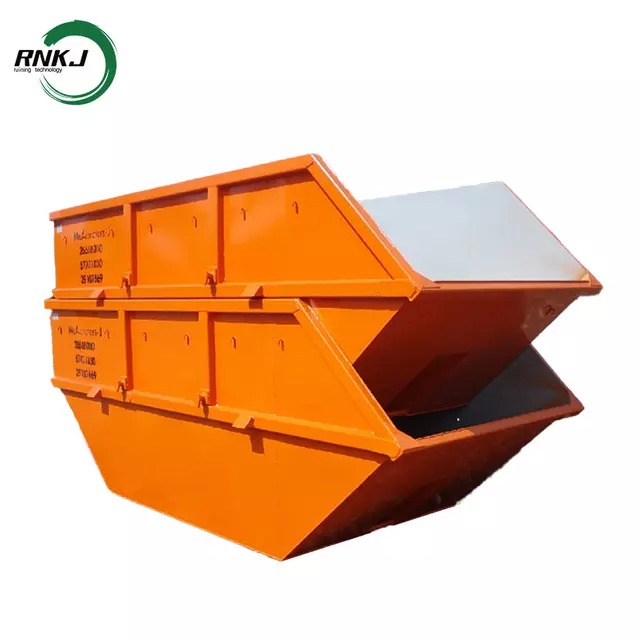
Hook lift bins offer a versatile and efficient solution for managing large volumes of waste and materials. These bins play a crucial role in industries such as construction, waste management, agriculture, and manufacturing. By understanding their functionality and benefits, businesses can make informed decisions on incorporating hook lift bins into their operations. Shandong RNKJ Environmental Technology Co., Ltd. provides high-quality hook lift bins that enhance material handling efficiency and reduce costs, offering substantial value to companies across various sectors.
A: A hook lift bin is a large, heavy-duty container used for transporting waste and materials, utilizing a hydraulic system to load and unload the bin onto a truck.
A: The hook lift bin works by using a hydraulic arm on the truck to hook onto the bin, lifting one end and sliding it onto the truck bed for easy transport.
A: Hook lift bins are efficient, versatile, and cost-effective, making them ideal for transporting large volumes of waste and materials in industries like construction and waste management.
A: A Hook Lift Bin has a larger capacity and uses a hydraulic system for easy loading and unloading, unlike traditional skip bins that require manual handling or cranes.
A: The cost of a Hook Lift Bin depends on factors like size and material type. Generally, they are more cost-effective than traditional waste handling methods due to their efficiency and durability.
A: A Garbage Hook Lift Bin is specifically designed for handling large volumes of waste, especially in commercial and industrial waste management projects.


