Views: 5 Author: Site Editor Publish Time: 2026-04-25 Origin: Site


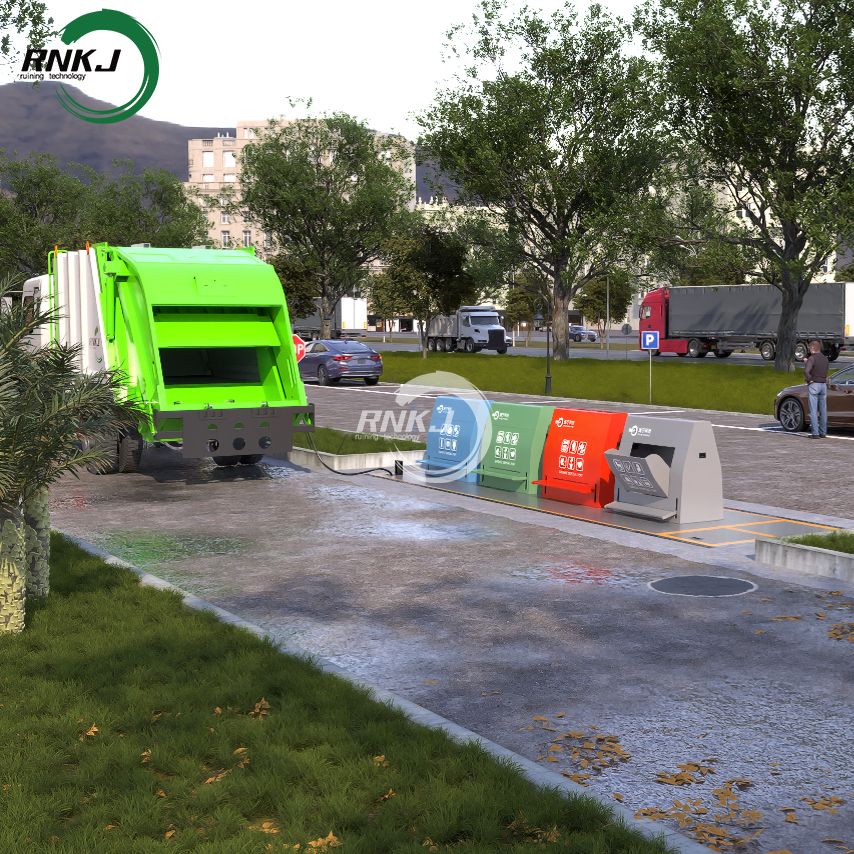
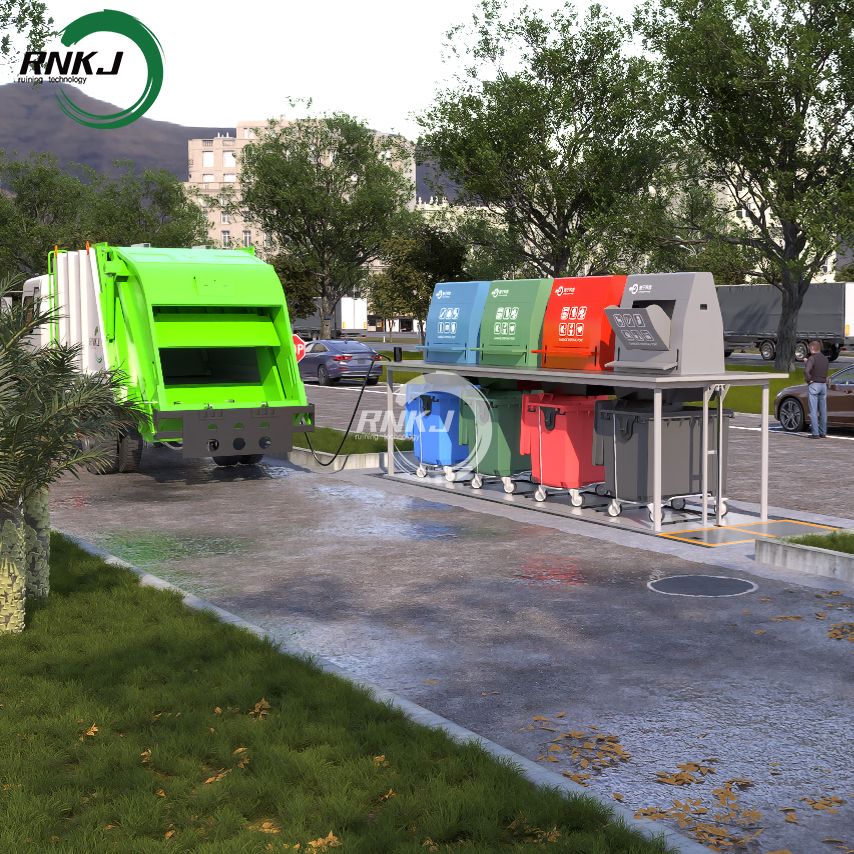
The Underground Waste Classification System, through its innovative underground design and classification design, significantly enhances environmental protection efficiency from the source to the end.
Total sealed pollution isolation system
Underground constant-temperature storage: The main body of the garbage is buried deep underground. The soil's heat insulation property is utilized to maintain a low-temperature environment, slowing down the rate of garbage decomposition and reducing the generation of odors and the release of harmful gases.
Fully sealed structure: The design features a fully welded seamless box, preventing leachate from seeping into the soil and groundwater, and meeting the discharge standards.
Intelligent disposal control: It automatically turns on during the disposal process and immediately shuts off after disposal. There is no exposure of garbage throughout the process, cutting off the pathways for mosquito and fly breeding and secondary pollution caused by scavenging.
Waste resource recycling storage
Precise classification guidance: Classification labels assist in classification, improve the purity of recyclables, and enhance the value of resource regeneration.
Low-level storage design: Old garbage is placed at the bottom in a low-temperature area, and new garbage is placed on top of it, reducing the emission of odors.
Special treatment of wet waste: Independent sealed container, collection of leachate, facilitating subsequent processing
Reduction and optimization of emissions in the transportation sector
Improvement in cleaning efficiency: Overflow sensor, enabling on-demand cleaning, reducing unnecessary transportation, and lowering fuel consumption and exhaust emissions.
Reduction of traffic flow: Underground collection stations can reduce the number of garbage collection vehicles on the road by 90%, alleviating urban traffic congestion and noise pollution.
Closed transportation process: The entire journey from the disposal point to the garbage collection vehicle is fully enclosed to prevent garbage from scattering and avoid secondary dust.
Efficient utilization of space resources
Ground space release: Only a small discharge outlet is left on the ground, saving 70% or more of the space occupied by traditional garbage stations, which can be transformed into green areas or public activity spaces.
Landscape integration design: The discharge outlet can be disguised as flower beds, seats or art installations, eliminating visual pollution and achieving the invisibility of the garbage station.
High-density community adaptation: Occupying an area of only 5-10 square meters, suitable for areas with tight space in old urban districts and core areas
Low-carbonization of energy consumption
Solar power supply: The high-end models are equipped with photovoltaic panels, which can meet the daily power consumption needs of the intelligent control system and odor removal equipment, achieving zero-carbon operation.
Energy-saving control strategy: Activated by human body sensing, reducing the standby energy consumption of equipment
Hydraulic system optimization: Low-energy hydraulic design, with the compression process being more energy-efficient than traditional equipment.
Ecologically friendly safety design
Prevent pest breeding: With a sealed structure and an underground low-temperature environment, it eliminates bacterial contamination such as from rodents, mosquitoes and flies at the source.
Fire and explosion prevention design: The underground oxygen-deficient environment reduces the risk of garbage spontaneous combustion.
Prevent accidental falls: Lockable box cover, safety warning device, ensuring personnel safety
The RNKJ Underground Waste Classification System achieves a transformation from polluting the surrounding environment to enhancing the aesthetics of equipment through an innovative model featuring concealed design, complete closed control, and intelligent management. The core of its environmental protection design lies in controlling pollution at the source, improving efficiency during the process, and promoting recycling at the end, providing a sustainable solution for urban waste management.