
Views: 0 Author: Site Editor Publish Time: 2025-11-22 Origin: Site


Urban waste management is one of the most pressing challenges for cities worldwide. With rapidly growing populations, the traditional methods of waste collection often lead to overflowing bins, unpleasant odors, and increased truck traffic, which causes further pollution. This has resulted in a push for cleaner, more efficient solutions that can meet the demands of modern cities. The Underground Collection System offers a revolutionary approach, providing a sustainable waste management solution that not only addresses these problems but also improves the overall quality of urban life. In this article, we’ll explore how these systems work, their advantages, and how they can transform the future of waste management.
Traditional waste management systems, such as street-level bins and manual pickups, have been in use for decades. However, these methods are increasingly being challenged by urbanization, population growth, and environmental concerns. Let’s examine some of the key limitations of these conventional systems.
Street-Level Bins: Overflow, Odors, Visual Clutter
One of the most significant problems with street-level waste bins is their tendency to overflow, especially during peak periods. As these bins are often located in highly trafficked areas, they not only create an eyesore but also attract pests and emit unpleasant odors, further diminishing the quality of the urban environment. The aesthetic pollution caused by overflowing waste detracts from the overall appearance of the city and is often a public health concern.
Frequent Truck Traffic and Its Impact
The traditional waste collection process relies heavily on garbage trucks, which must frequently traverse urban areas to pick up waste. This leads to congestion, higher carbon emissions, and noise pollution. It also creates logistical challenges, as waste trucks often need to navigate narrow streets and residential areas, disrupting daily life and increasing operational costs.
An Underground Collection System is an advanced waste management solution designed to streamline and modernize the way cities collect and process waste. This system moves waste collection out of sight, reducing the visible clutter associated with street-level bins while also addressing environmental concerns.
Basic Structure and How It Works
At the core of an underground collection system are strategically placed collection units that are built into the ground. Waste is deposited through a street-level unit and then transported via underground pipelines to sealed storage containers. When the containers are full, they are automatically retrieved by specialized vehicles, reducing the need for manual labor and significantly cutting down on truck traffic.
Key Terms: Underground Container vs Pneumatic Tube
Underground collection systems typically operate with two primary components: underground containers and, in some cases, pneumatic tube systems. The underground container is a large, sealed bin buried beneath the street that holds waste until it is ready to be picked up. Pneumatic tubes, on the other hand, use air pressure to transport waste through pipelines, offering an even more automated and seamless solution for high-density areas.
The shift toward underground collection systems brings several key benefits that traditional methods cannot match. These systems offer more than just waste management—they contribute to cleaner, safer, and more efficient cities.
Hygiene and Odor Control
One of the major advantages of an underground waste collection system is its ability to control odors and improve hygiene. With sealed underground containers, waste is securely stored until it is collected, which helps eliminate the unpleasant smells that are common in street-level bins. This enhances the quality of public spaces and helps maintain a healthier environment.
Reduced Traffic, Quieter Streets
By moving waste collection underground, truck traffic in residential and commercial areas is minimized. This results in quieter streets and fewer disruptions, especially during early morning or late-night collection times. It also reduces wear and tear on roads, contributing to lower infrastructure maintenance costs.
Higher Capacity, Fewer Collections
Underground systems are designed to handle larger volumes of waste compared to traditional bins, meaning fewer collections are needed. This not only reduces the number of trucks on the road but also helps cities save on fuel, reduce greenhouse gas emissions, and lower the overall cost of waste management operations.
To create a truly effective underground waste collection system, certain components are essential. Understanding these elements will help cities and municipalities make informed decisions about the implementation of these systems.
Sealed Underground Storage + Rigid Containers
The foundation of any underground collection system is the storage container. These containers must be large, durable, and tightly sealed to prevent leaks or odors from escaping. The materials used in their construction must be able to withstand the harsh conditions of being underground, ensuring a long lifespan with minimal maintenance.
Smart Sensors / Fill-Level Monitoring
Modern underground systems are equipped with smart technology, such as sensors that monitor the fill level of waste containers. These sensors alert waste collection services when the container is full, reducing unnecessary collections and ensuring that containers are emptied in a timely manner. This leads to more efficient operations and helps prevent overflow.
Integration with Transit Vehicles & Infrastructure
For underground systems to function effectively, they must be fully integrated with transit vehicles and the broader urban infrastructure. Dedicated trucks designed for underground waste retrieval work seamlessly with the system, ensuring that containers are emptied quickly and efficiently. Proper integration with the city's transport network minimizes delays and streamlines operations.
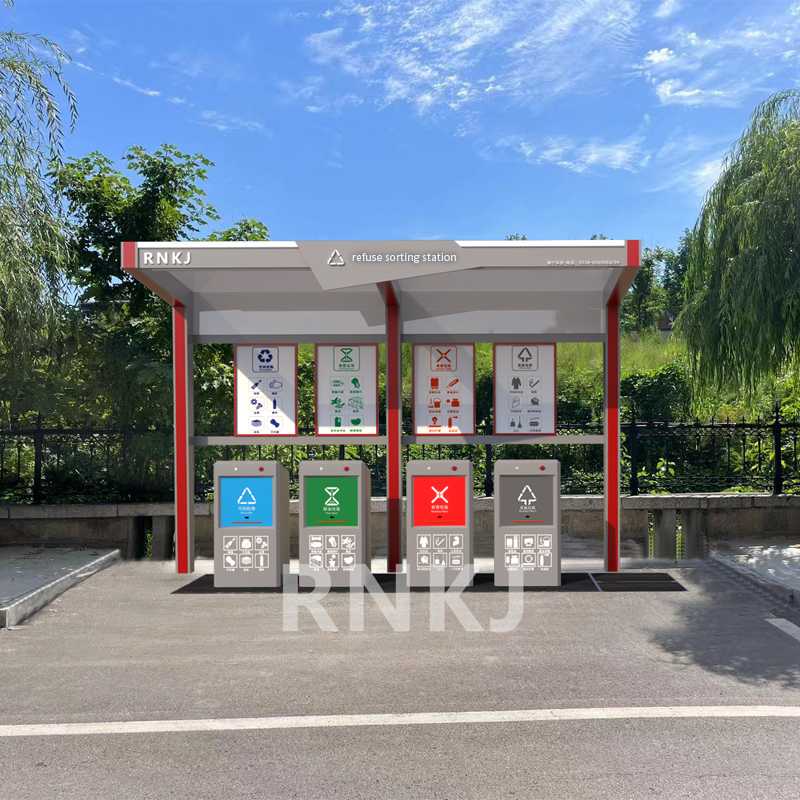
As a leading manufacturer of sanitation and environmental protection equipment, Shandong RNKJ offers a comprehensive suite of services to help municipalities and commercial zones implement effective underground waste collection systems. With over 8,000 units sold globally, we have built a reputation for quality and reliability.
Manufacturer to Partner: Full Service from Design to Implementation
At Shandong RNKJ, we don’t just supply equipment—we provide a full-service solution, from initial design to final implementation and after-sales support. Our expert team works closely with each client to ensure the system is tailored to meet the specific needs of the area, whether for residential communities or commercial zones.
Proven Global Track Record
Since our founding in 2014, Shandong RNKJ has successfully installed over 8,000 units worldwide, earning the trust of customers in numerous countries. Our commitment to quality and service has made us a trusted partner in the global waste management industry.
When planning the installation of an underground collection system, several factors must be considered to ensure the project’s success.
Site Conditions
Before installation, it is essential to assess the site conditions, including the type of soil and any existing underground utilities. These factors can influence the design and feasibility of the system, ensuring that the installation process is smooth and does not disrupt existing infrastructure.
Volume Requirements
The scale of the underground collection system will depend on the volume of waste generated in the area. A large municipality will have different requirements than a smaller commercial zone, and it is crucial to design the system to accommodate these varying needs effectively.
Maintenance & After-Sales Service
Once the system is in place, ongoing maintenance is key to ensuring its longevity and efficiency. Shandong RNKJ offers comprehensive after-sales service, including regular inspections, maintenance, and troubleshooting to keep the system running smoothly for years to come.
The Underground Collection System is transforming urban waste management by providing a sustainable, efficient, and cost-effective solution. With its ability to reduce odors, minimize traffic congestion, and increase capacity, this system is paving the way for smarter, cleaner cities. At Shandong RNKJ, we are dedicated to helping cities and commercial zones implement underground waste management solutions that meet their unique needs. For more information on how we can help transform your waste management strategy, please don’t hesitate to contact us.
1. What is an Underground Collection System?
An Underground Collection System is a modern waste management solution that involves collecting waste through street-level units, which is then stored in sealed containers underground. These systems reduce the need for frequent truck traffic and eliminate many of the problems associated with traditional waste bins.
2. How does the Underground Collection System help with odor control?
The sealed underground containers prevent odors from escaping, significantly improving public hygiene and the overall quality of urban spaces. This ensures that waste does not cause unpleasant smells in the surrounding area.
3. What are the benefits of using Shandong RNKJ's Underground Collection System?
Shandong RNKJ’s systems offer a comprehensive solution, from design to installation and after-sales service. Our underground systems are efficient, cost-effective, and environmentally friendly, helping cities create cleaner and safer urban environments.
4. How can I implement an Underground Collection System in my city?
Shandong RNKJ provides a full-service solution that includes system design, installation, and ongoing maintenance. We work closely with municipalities to tailor the system to their specific needs, ensuring maximum efficiency and effectiveness.


