
Views: 0 Author: Site Editor Publish Time: 2025-12-08 Origin: Site


Urban waste management is undergoing a transformative shift as municipalities and commercial developers seek cleaner, more efficient, and sustainable solutions. While traditional street-level waste collection systems have served cities for decades, they often lead to overflow, unpleasant odors, and increased traffic congestion due to frequent garbage truck pickups. Underground Collection Systems are emerging as a modern alternative, offering an innovative approach that moves waste collection below the surface, enhancing both city aesthetics and operational efficiency. Understanding the comparative advantages of these underground systems is crucial for urban planners, developers, and environmental managers aiming to implement long-term, sustainable waste management solutions.
Traditional waste collection systems are what most people are familiar with, consisting mainly of street-level bins and frequent garbage truck pickups. These systems, while effective to an extent, come with significant drawbacks.
Street-Level Bins, Frequent Truck Pickups
In a traditional waste system, waste is deposited in public bins placed throughout urban areas. These bins are typically emptied by garbage trucks on a regular schedule. While this method works for many cities, it often leads to several inefficiencies, especially in densely populated areas. Street-level bins are prone to overflow, particularly when the trucks are not scheduled to arrive in time to prevent it.
Limitations (Overflow, Odors, Traffic)
Overflowing bins are a common problem with traditional waste collection systems. This leads to unsightly piles of waste in public spaces, which not only creates aesthetic issues but also attracts pests and generates unpleasant odors. Additionally, frequent truck traffic increases congestion, contributing to air pollution and making the waste management process less efficient. The noise from waste trucks and the emissions produced by their engines further contribute to the environmental and quality of life issues in urban areas.
Underground Collection Systems are a more modern approach to urban waste management. These systems are designed to move waste collection out of sight, both literally and figuratively, providing a cleaner and more efficient way to manage waste.
Deposit Point on Surface; Major Container Underground
In an Underground Collection System, waste is deposited through a street-level unit into a sealed container located below ground. This eliminates the need for street-level waste bins, making it a more aesthetically pleasing solution. The underground containers are large, durable, and capable of holding much more waste than traditional bins, reducing the frequency of collections and ensuring that waste stays out of sight.
Possible Mechanisms: Gravity vs Pneumatic Tubes
There are two main ways that waste is transported in underground systems: gravity and pneumatic tube systems. Gravity-based systems rely on the natural downward flow of waste to move it from the surface to underground containers. Pneumatic tube systems, on the other hand, use air pressure to push waste through tubes to a centralized storage area. Both systems ensure that waste is efficiently transferred to underground storage without the need for trucks to frequently navigate the streets.
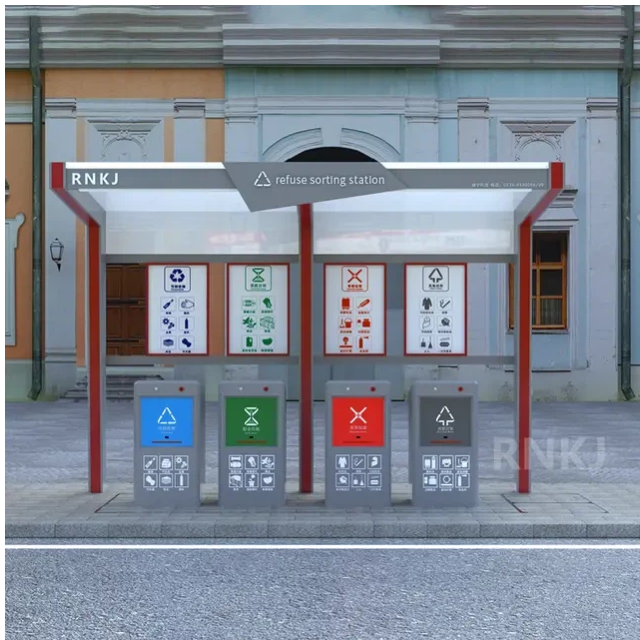
To better understand the advantages of Underground Collection Systems, let’s compare them to traditional waste collection systems in terms of key metrics.
Space Footprint & Aesthetics
One of the biggest benefits of underground systems is their minimal space requirement. Traditional waste bins take up valuable public space and can become eyesores when overflowing. Underground Collection Systems, however, are hidden below ground, freeing up public spaces for more functional or aesthetic purposes. These systems contribute to a cleaner, more organized urban environment, enhancing the city’s overall appearance.
Service Frequency & Truck Traffic
Traditional systems require frequent truck visits to empty the street-level bins, leading to increased traffic and operational costs. Underground Garbage Collection Systems reduce the frequency of pickups since the underground containers hold more waste. The reduced need for trucks means less traffic congestion and lower emissions, making it a more sustainable option for waste management.
Hygiene & Odor/Pest Control
Traditional waste bins often lead to hygiene problems, such as odors and pest attraction, particularly when they overflow. In contrast, Underground Waste Collection Storage Systems are designed to contain waste securely underground, where it’s sealed off from the elements and pests. These systems help improve public hygiene, reduce odors, and minimize the presence of pests in urban areas.
Long-Term Cost Implications
While the initial investment in Underground Collection Systems can be higher due to installation costs, they provide long-term savings by reducing the frequency of pickups, lowering labor costs, and minimizing the environmental impact. Traditional systems, on the other hand, require ongoing costs for waste collection trucks, fuel, and maintenance. In the long run, underground systems often prove to be more cost-effective due to their reduced operational requirements.
To illustrate the effectiveness of underground systems, let’s look at some real-world examples where cities have adopted these solutions and the results they’ve seen.
Cities/Projects Adopting Underground Systems
Cities worldwide are making the switch to underground waste collection systems. For example, Spelthorne Direct Services in the UK has implemented underground systems in several parts of the city, resulting in a cleaner and more efficient waste management solution. Similarly, Supercool reported significant savings in operational costs and environmental impact after transitioning to underground collection methods.
Reported Savings & Outcomes
Cities that have adopted underground systems often report reduced truck traffic, lower fuel consumption, and fewer collection visits. For example, cities like Stockholm and Tokyo have implemented Underground Garbage Collection Systems and seen reductions in both waste collection costs and environmental pollution. The systems provide an environmentally-friendly alternative that also saves cities money in the long term.
As sustainability goals become increasingly important and urban waste management issues grow more pressing, municipalities and commercial zone developers should act quickly to adopt modern waste collection systems.
Sustainability Goals / Regulation Pressures
With the rise of environmental awareness and stricter waste management regulations, many municipalities are under pressure to improve their waste management strategies. Adopting Underground Collection Systems helps cities meet sustainability goals by reducing emissions, minimizing waste overflow, and improving recycling rates.
Competitive Differentiation / Development Value
For commercial developers, integrating underground systems can set projects apart, making them more attractive to potential tenants and buyers who are seeking modern, sustainable solutions. In addition, cities with cutting-edge waste management systems can improve their global image and attract more visitors and investments.
Shandong RNKJ Environmental Technology Co., Ltd. is a leader in providing Underground Collection Systems and helping cities transition from traditional waste management methods to more modern, efficient systems.
Full-Service Offering, Tailored for Municipalities/Commercial Zones
At Shandong RNKJ, we offer a full-service solution that includes design, installation, and after-sales support. Our team works closely with municipalities and commercial zone developers to design Underground Garbage Collection Systems that meet the specific needs of each area, ensuring seamless integration into the urban environment.
Why Global Footprint Matters
With over 8,000 units installed globally, Shandong RNKJ has a proven track record of successfully implementing Underground Waste Collection Storage Systems in diverse settings. Our global experience ensures that we can meet the unique challenges of cities around the world and deliver systems that are efficient, reliable, and cost-effective.
In conclusion, underground waste collection systems clearly outperform traditional street-level methods in efficiency, sustainability, and long-term cost-effectiveness. By reducing truck traffic, enhancing hygiene, and minimizing environmental impact, these systems offer a modern, reliable solution for urban and commercial zones. Shandong RNKJ provides tailored underground garbage collection solutions that help municipalities and developers transition seamlessly from traditional systems to advanced, sustainable infrastructure. For cities and developers seeking to optimize waste management while promoting environmental responsibility, adopting underground solutions ensures cleaner, more efficient operations and a sustainable future, supported by professional waste incinerators.
1. What is the key difference between traditional and underground waste collection systems?
The primary difference is that Underground Collection Systems move waste collection underground, eliminating the need for street-level bins and reducing traffic, odors, and visual pollution.
2. How do Underground Collection Systems help with waste segregation?
These systems provide separate collection points for different waste types, allowing for better waste sorting at the source and supporting recycling efforts.
3. Are Underground Collection Systems cost-effective?
Yes, while initial installation costs can be higher, these systems lead to long-term savings by reducing truck visits, labor costs, and fuel consumption.
4. How does Shandong RNKJ help with the implementation of Underground Waste Collection Systems?
Shandong RNKJ offers complete solutions, from system design to installation and ongoing support, ensuring seamless integration into urban environments.


