
Views: 0 Author: Site Editor Publish Time: 2025-10-21 Origin: Site


Keeping public spaces clean and functional is a challenge, especially in parks, remote sites, or areas without reliable power. Frequent waste pickups, overflowing bins, and unpleasant odors are common issues that can strain maintenance budgets and frustrate visitors. Imagine a system that reduces the frequency of waste collection, minimizes labor, and works without relying on electricity. That is precisely what a Unpowered Garbage Compression Station offers. Designed for outdoor use in public plazas, parks, and remote locations, these stations use simple mechanical principles to compress waste efficiently, offering a practical and cost-saving alternative to powered compactors while benefiting from low maintenance and sustainable operation through unpowered compression.
For businesses, municipalities, and recreational areas, understanding how these stations work, who benefits most, and how to maximize their efficiency can lead to significant operational savings. Beyond cost reduction, they also help maintain a cleaner and more visually appealing environment, which is essential for visitor satisfaction and public perception. In this article, we’ll explore the mechanics, applications, advantages, and best practices of unpowered compression stations, giving you actionable insights to reduce waste handling costs while promoting environmental responsibility.
An Unpowered Garbage Compression Station relies entirely on mechanical force to compress waste. Unlike electric compactors, it uses simple yet robust mechanisms, such as levers, foot-operated pedals, or basic hydraulic linkages. These systems transform manual input into downward pressure, compacting trash into a fraction of its original volume. The operation is straightforward: a user engages the lever or pedal, activating a ram or press plate that compresses the waste inside a reinforced container. This simplicity ensures fewer moving parts, minimal risk of mechanical failure, and a reliable service life that often surpasses powered alternatives. Additionally, the intuitive design means that personnel can quickly learn the operation without extensive training, saving both time and costs.
Unpowered compression stations are versatile and come in several formats. Common configurations include:
Standalone Stations: Compact units designed for a single bin or container, ideal for small parks or public squares.
Integrated Bin Presses: Systems where the compression mechanism is built directly into the bin housing, streamlining installation and operation.
Ram or Tamper Types: Manual rams or tampers that allow operators to compress waste layer by layer, suitable for medium-volume sites.
Sizes can vary from small, single-bin units to larger models capable of holding several cubic meters of waste. Some designs even feature multiple chambers or compartments, allowing separation of recyclables and general waste, which adds an extra layer of operational efficiency and environmental responsibility.
While powered compactors offer automated operation, unpowered compression stations provide distinct advantages:
No electricity required: Install anywhere without electrical infrastructure.
Lower maintenance: Fewer electronic components mean fewer failures.
Simpler operation: Manual mechanisms are intuitive and safe.
Environmentally friendly: No energy consumption during operation.
Durable design: Often built to withstand harsh outdoor conditions and frequent use.
By relying on unpowered compression, these stations are particularly suited to remote areas or low-footprint sites where electricity is unavailable or costly to install. The quiet operation also makes them ideal for urban settings where noise restrictions may apply.
Public parks, gardens, and recreational spaces demand waste solutions that are reliable, low maintenance, and unobtrusive. An Unpowered Garbage Compression Station is ideal for these settings because it compresses waste efficiently without electricity, reduces pickup frequency, and eliminates concerns about electrical hazards in wet or public areas. Maintenance staff can quickly operate the system, keeping bins ready for high visitor traffic while minimizing labor hours. Additionally, the compact design allows easy integration into landscaped areas without detracting from the park’s aesthetics.
Construction sites, remote tourist destinations, and festival grounds often lack convenient power connections. Deploying unpowered compression stations in these locations ensures that waste is compacted efficiently, reducing haul trips and transport costs. Their portability and simple installation make them a preferred solution for temporary events, seasonal attractions, or isolated work zones where traditional powered compactors are impractical.
Pedestrian squares, urban plazas, and campus areas benefit from waste stations that are visually unobtrusive, safe, and easy to operate. Manual compression allows for controlled density, preventing overfilling while keeping the area clean and welcoming for visitors. These stations are especially useful in aesthetically sensitive environments where bulky powered compactors might be unsuitable. Compact and modular designs also allow multiple units to be deployed without overcrowding pedestrian pathways.
Restaurants, cafés, boutique stores, and small offices often generate moderate waste volumes. For these businesses, powered compactors may be unnecessary, whereas unpowered compression stations provide sufficient compaction for routine disposal. Reduced pickup frequency and simple operation make them a cost-effective option, particularly for locations with limited space or strict power restrictions. Operators can also combine multiple small stations to meet varying business needs, optimizing both workflow and operational costs.
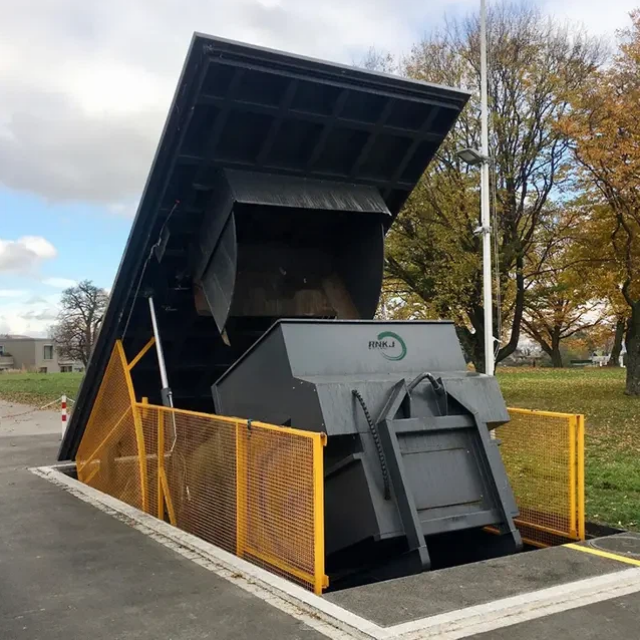
No electrical infrastructure required – Installation is quicker and less expensive since there’s no need for wiring, breakers, or power outlets.
Lower maintenance & longer service life – Fewer electronics and moving parts reduce breakdowns and extend operational longevity.
Reduced pickup frequency – Compacted waste takes up less space, lowering transport costs and the number of hauling trips.
Cost-effective for low-to-medium volume sites – Ideal for parks, public squares, and small commercial locations where high-capacity automated compactors aren’t necessary.
Simpler user training & safer operation – Manual systems eliminate risks associated with electrified moving parts, making them easy to operate safely.
Environmentally friendlier lifecycle – Using manual force reduces electricity consumption, contributing to sustainability goals and a smaller carbon footprint.
These advantages make unpowered compression stations a practical and strategic choice for organizations looking to optimize waste management while reducing operational costs. The units’ durability also means fewer replacements and longer-term savings, making them a sound investment for public and private facilities alike.
Large-scale facilities such as transfer stations, apartment complexes, or industrial hubs may generate more waste than manual systems can efficiently handle. Powered compactors remain the preferred choice for high-volume operations due to speed and automation.
Although the stations are designed for easy operation, some physical effort is necessary to compress waste. Proper ergonomics, lever design, and clear signage can ensure safe and effective use, reducing the risk of strain or misuse.
Unpowered compression stations are best suited for typical municipal or commercial waste. Glass, hazardous chemicals, or volatile materials may require specialized equipment to avoid damage or safety hazards. Following manufacturer instructions ensures safe operation and maximizes the station’s lifespan.
Assess daily and weekly waste volumes to determine the appropriate station size and compaction capacity. Consider peak times, seasonal fluctuations, and visitor traffic for accurate planning.
Select a lever, foot pedal, or ram design that minimizes effort while maximizing compaction efficiency. Spring-assisted mechanisms and appropriately sized levers can reduce physical strain.
Outdoor installations require weatherproof, corrosion-resistant finishes such as powder-coated steel or stainless steel. Ensure the unit is capable of withstanding rain, UV exposure, and heavy use.
In remote or high-traffic locations, quick access to replacement parts and maintenance guides ensures minimal downtime. Verify that vendors provide clear service instructions and available spare components.
Ask about installation footprint, expected compaction ratio, and safety recommendations. A well-informed vendor can provide tailored advice for maximizing efficiency and minimizing operational headaches.
Prepare the site with a stable base, adequate drainage, and anchoring points. Proper installation ensures long-term reliability and prevents tilting or shifting during use.
Inspect hinges, bearings, seals, and pressing plates on a monthly basis. Lubricate moving parts where needed, and replace worn components promptly to maintain optimal operation.
Clear operational instructions and visible safety signage prevent misuse and encourage consistent compaction practices. Include guidance on material restrictions and proper technique.
Signs that a site has outgrown an unpowered solution include overflowing bins despite regular compaction, excessive manual effort, or high-volume waste surges. Consider scaling up to larger unpowered models or transitioning to powered compactors when appropriate.
For parks, remote locations, and small commercial sites, a Unpowered Garbage Compression Station is an effective way to cut waste handling costs while simplifying operations. With its robust mechanical design, low maintenance needs, and environmentally friendly operation through unpowered compression, these stations offer a reliable, long-term solution for efficient waste management. RNKJ Environmental Technology Co., Ltd. provides durable and customizable unpowered compression solutions suitable for any location. To explore options for your site or request a tailored assessment, contact us today.


